IN Brief:
- RWE is building the 16.5MWp Manheimer Bucht solar park at Hambach opencast mine.
- An 80MWh co-located battery storage facility is scheduled to begin construction this summer.
- The site already hosts three solar plants and one battery storage facility.
RWE has begun construction of a new utility-scale solar park at the Hambach opencast mine in Germany, with a co-located battery energy storage facility scheduled to follow.
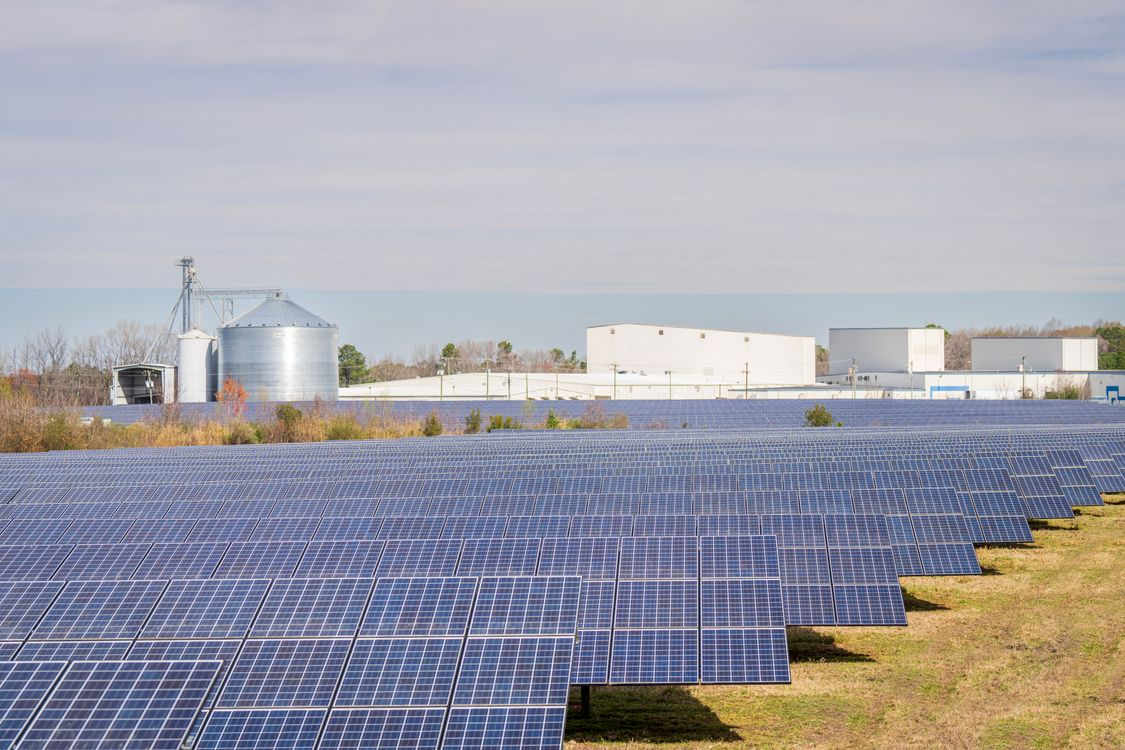
The Manheimer Bucht solar park is being built in the Rhein-Erft district, within the Hambach mine area in Kolpingstadt Kerpen. The project will use 25,300 solar modules across an area equivalent to around 20 football pitches.
Once complete at the end of 2026, the solar farm will have a capacity of 16.5MWp, or 14.8MWac. Annual generation is expected to be equivalent to the electricity consumption of around 5,000 households.
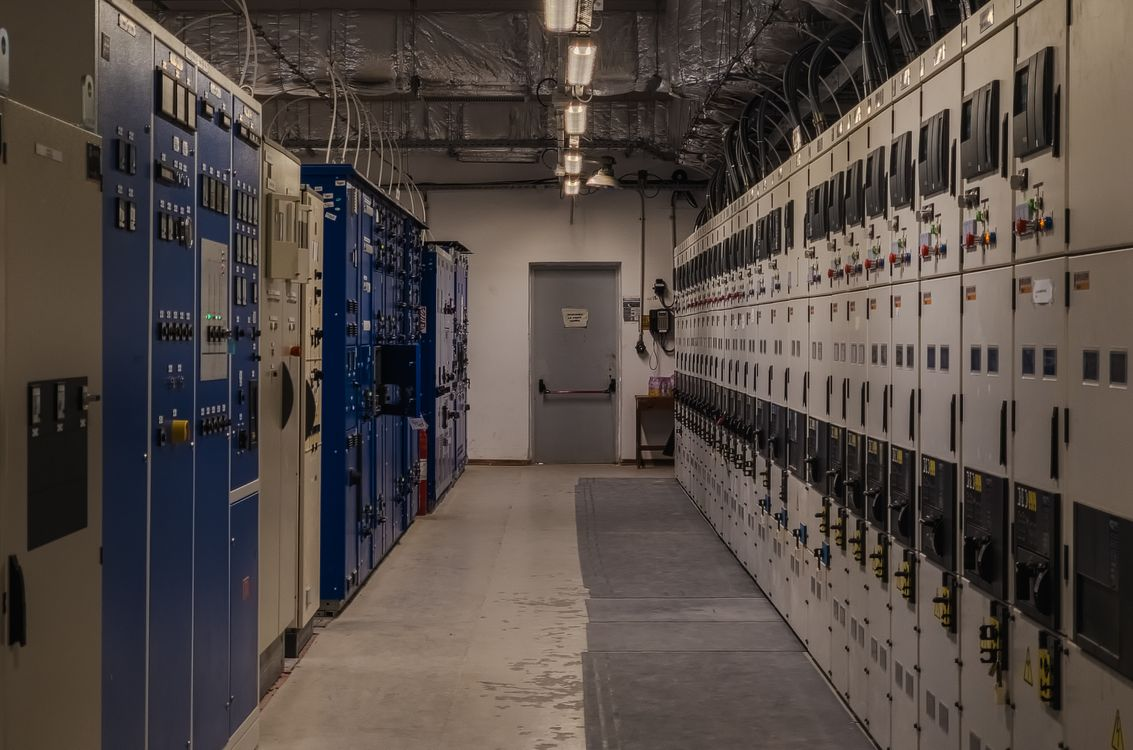
The solar project will be paired with an 80MWh battery storage facility. Construction of the storage asset is scheduled to begin this summer, with commissioning planned for the end of 2026. The battery will support grid stability and allow electricity generated from the solar park to be used more flexibly.
RWE already operates three solar plants and one battery storage facility at Hambach in cooperation with NEULAND HAMBACH, the inter-municipal company representing surrounding municipalities. Those municipalities will also have the option to participate in the Manheimer Bucht project.
Hambach has been one of the defining sites of Germany’s lignite power system, so the use of approved opencast mine areas for solar and storage carries industrial significance beyond the project’s capacity. Former mining land can provide large disturbed areas, existing access routes, and proximity to energy infrastructure, giving renewable developers a route to build without placing all new capacity on greenfield sites.
The co-location of storage also reflects the changing structure of renewable projects. Solar output follows daylight and weather patterns, while battery systems can shift some generation, support grid stability, and improve the operational value of the asset. As more solar capacity connects across Europe, storage is becoming part of the electrical system design rather than a separate commercial add-on.
The network role of storage is becoming more prominent in other European projects as well. E.ON has proposed firm batteries to address local grid constraints, while NGEN has advanced AI-led battery control to optimise dispatch across storage assets. In each case, batteries are moving closer to system operation and away from a purely merchant trading role.
The Hambach project fits that pattern. Its 80MWh battery will provide flexibility alongside a local solar asset, while the wider site continues to move from fossil extraction toward renewable generation and grid-support infrastructure. The transformation is gradual, but the physical reuse of energy land gives the transition a more practical footing than remote development alone.
Germany’s power system still has to manage multiple pressures at once: coal and lignite phase-down, renewable expansion, grid reinforcement, system flexibility, industrial competitiveness, and local economic transition. Former mining regions need new investment and new infrastructure roles if the power-sector transition is to hold together beyond headline generation targets.
Manheimer Bucht combines several elements now common in European renewable development: repurposed industrial land, solar generation, co-located storage, municipal participation, and a grid-stability function. Its capacity is measured, but the project’s structure points toward the kind of integrated renewable infrastructure that will be needed as variable generation becomes a larger share of the electricity mix.