
Renewable energy
—
-

Europe’s renewable buildout is running into grid integration constraints again. ECNO’s 2026 assessment says variable renewables reached 30% of EU electricity generation in 2025, below the pace needed for 2030.
-
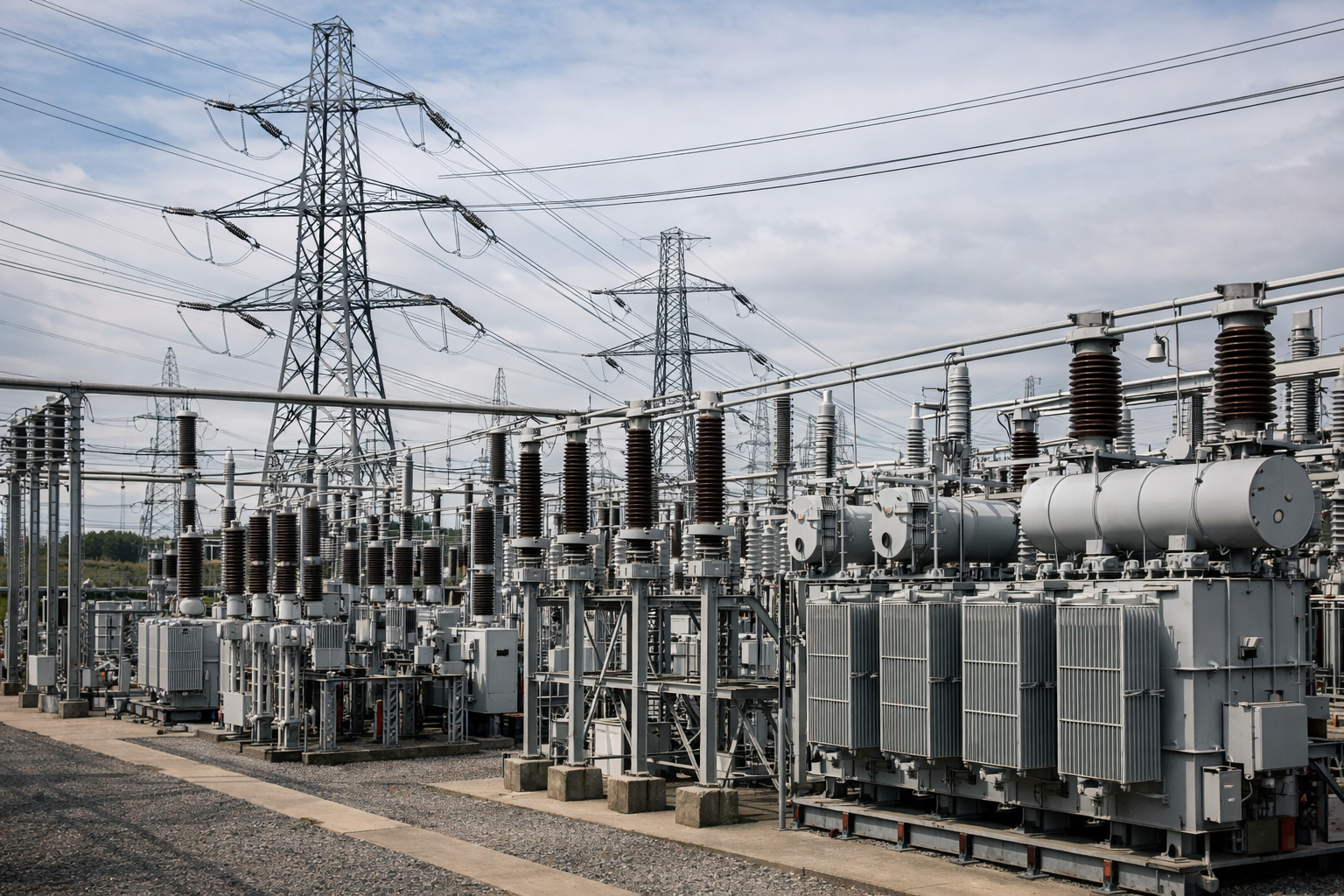
Chint’s German battery portfolio gives Flower permitted storage capacity scale. The seven-project deal covers 112MW/332.5MWh across five German federal states, with commissioning scheduled through 2027.
-
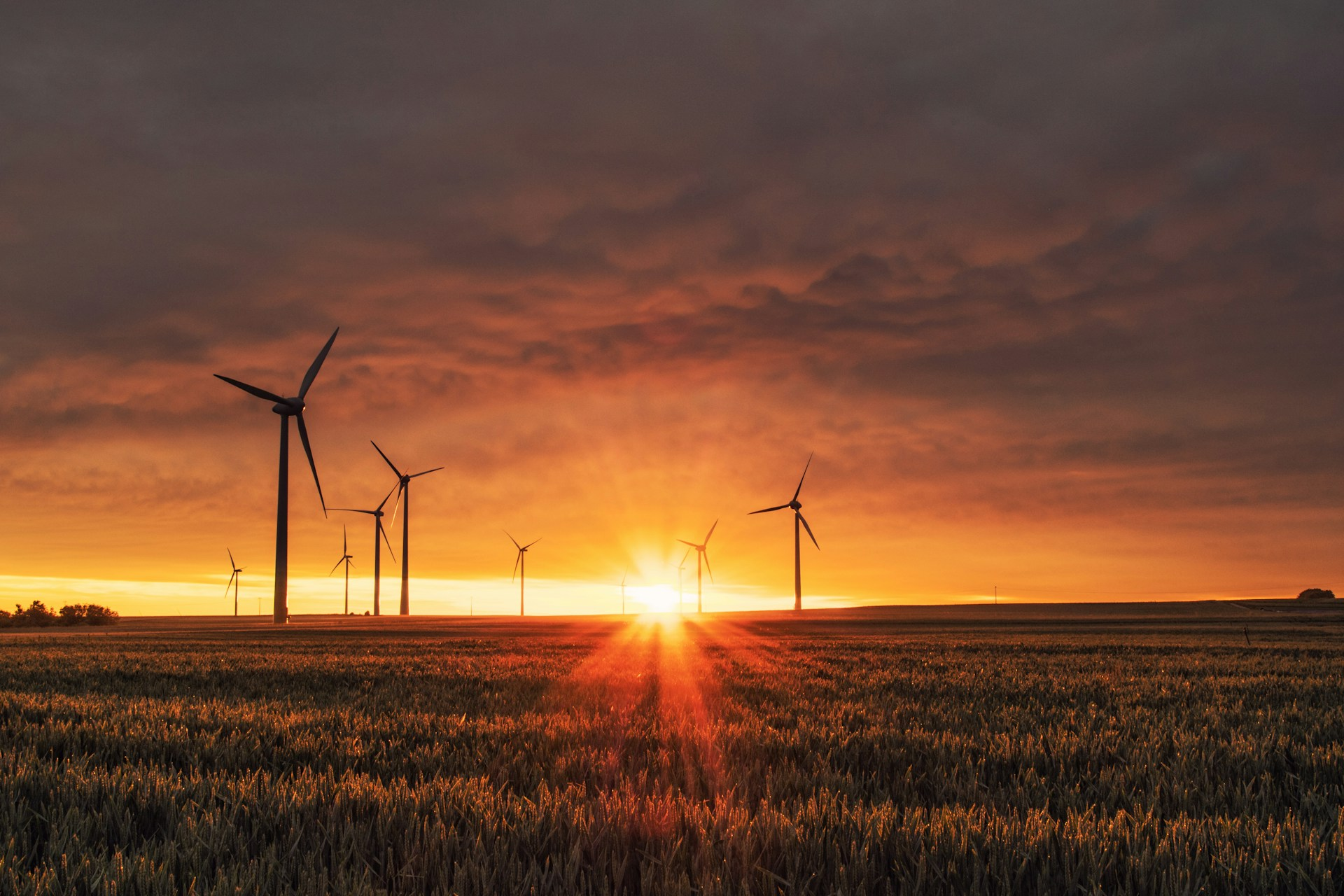
Lithuania is adding storage alongside rapid solar and wind growth. Preliminary data shows 752MW of renewable energy and storage connected in the first half of 2026.
-
Germany’s storage debate is shifting from capacity to system cost. Fraunhofer analysis estimates that faster battery deployment and flexibility could reduce electricity system costs by €3.9bn annually.
-
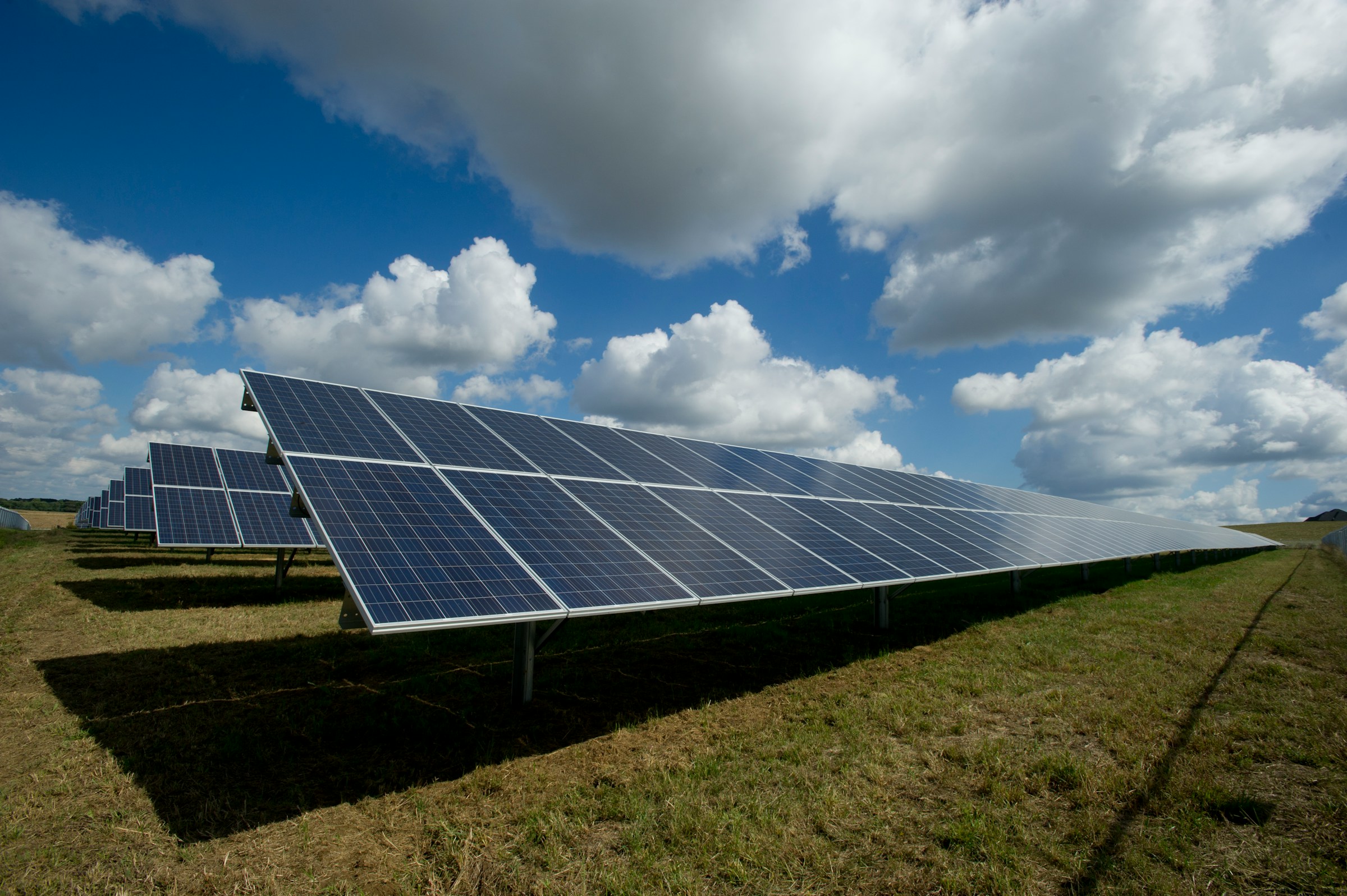
European inverter restrictions could reshape solar and storage procurement planning. New analysis estimates that more than 28GWdc of PV inverter demand and 12% of energy storage deployment could be affected through 2030.
-
Field has moved two larger UK battery projects towards construction. The Keith and Hartmoor schemes will add 239MW and 1GWh of storage capacity to its pipeline.
-
Greece has raised offshore wind ambition with firmer grid detail. A new decree sets 2.35GW of planned capacity across defined marine zones and connection points.
-
Dutch storage planning is shifting towards longer-duration grid support technologies. A hydrogen-iron flow battery at Windpark Zeewolde would connect large-scale wind generation with 10–40 hour storage.
-
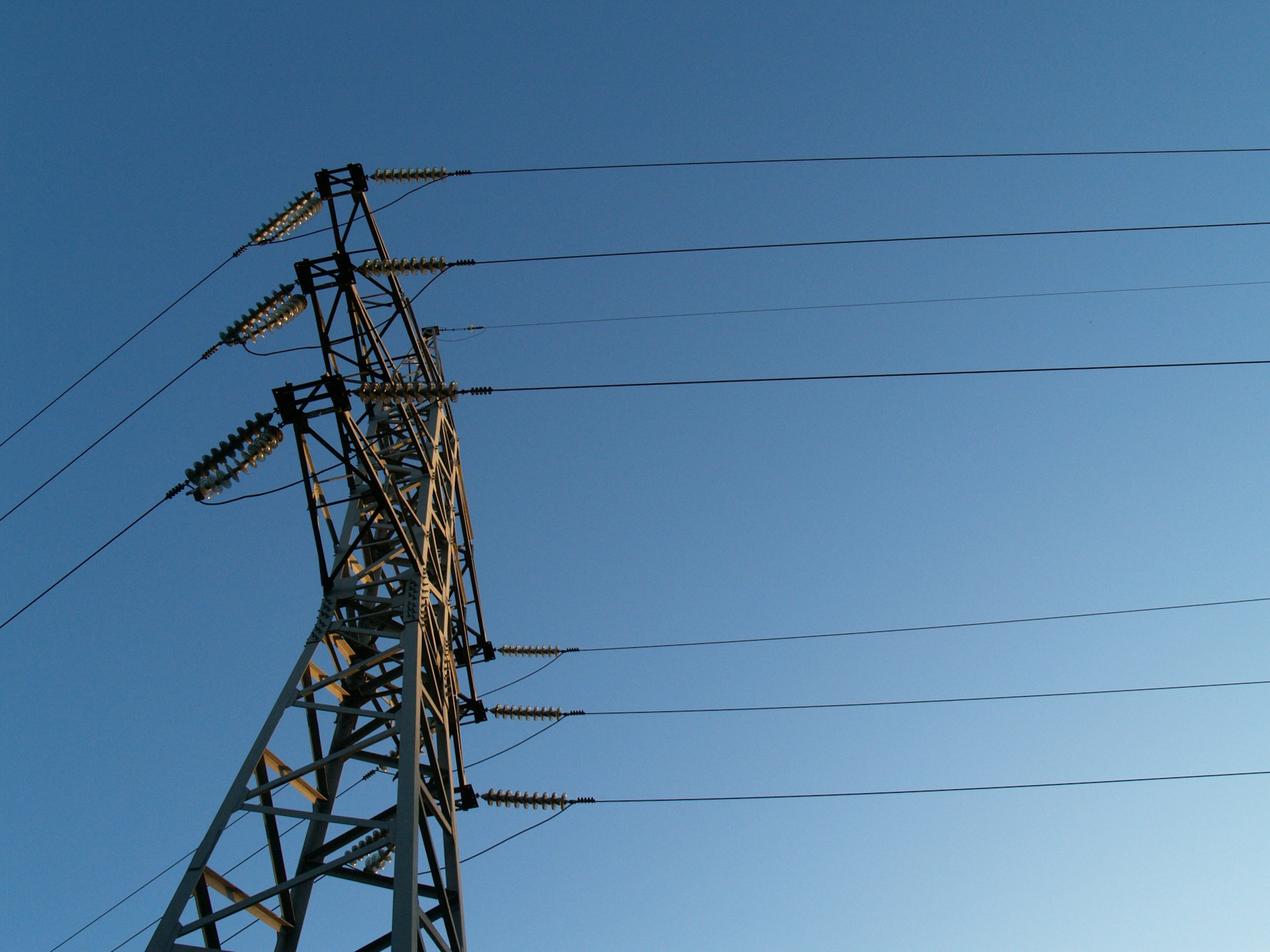
Baltic transmission planning is moving closer to formal EU prioritisation. The proposed Baltic-German PowerLink would combine interconnection, offshore wind integration, and regional electricity trading.
-
PNE has completed another French onshore wind project disposal deal. The 10.8MW Romescamps transaction transfers a ready-to-build asset to JP Energie Environnement.