IN Brief:
- Renewable Connections has received consent for the 18.74MW Shireoaks Solar Farm.
- The Worksop project is expected to generate 16,194MWh of electricity annually.
- The scheme will connect via electrical infrastructure to an existing 33kV pylon.
Renewable Connections has received consent for Shireoaks Solar Farm, an 18.74MW ground-mounted solar project near Worksop in Nottinghamshire.
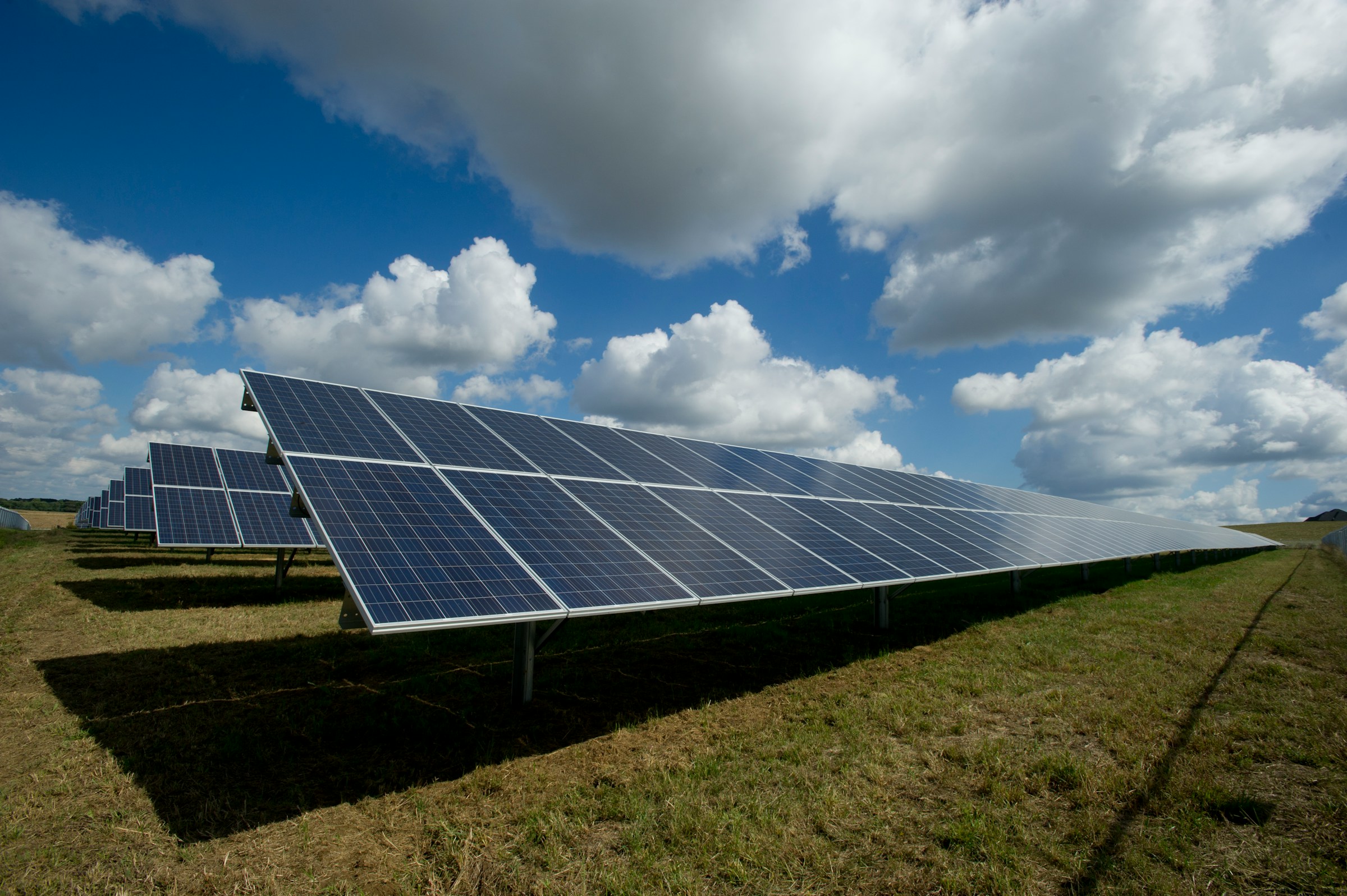
The project is located on land off Steetley Lane, directly west of Worksop and south of Shireoaks. It covers approximately 21 hectares of agricultural land and is expected to generate 16,194MWh of electricity annually once operational. Renewable Connections estimates that the scheme will supply the equivalent annual energy needs of up to 5,897 homes in its first year of generation and save 2,947 tonnes of carbon dioxide annually.
The approved development includes construction, operation, maintenance, and decommissioning of a ground-mounted solar farm across existing field enclosures. The project is expected to operate for up to 40 years, after which equipment would be removed and the land restored to agricultural use.
Electrical export is planned through connection infrastructure to an existing 33kV pylon approximately 3km east of the site, under the A46. Proximity to suitable network infrastructure can reduce the need for extensive new cable routes and help avoid more complex reinforcement requirements, although energisation still depends on final connection, compliance, and commissioning work.
The scheme may use bifacial panels, which collect light from both the front and rear sides by capturing reflected light from the ground surface below the array. Depending on site conditions, bifacial yield gain can reach up to 30% compared with traditional systems. The final layout may use fixed south-facing mounting or tracking systems, with rows set to capture available solar irradiation. Panel height is expected to be around 3 metres, with the arrays contained within 2-metre stock-proof fencing.
The project design retains the existing field pattern, with field margins, hedgerows, ditches, and boundary vegetation incorporated into the layout. Construction is expected to last approximately 24 weeks, with construction traffic likely to use the A46 and restricted from accessing the site via Ragdale Village.
Shireoaks reflects a large part of the UK solar pipeline: mid-sized projects that depend on local planning approval, distribution-level connections, landowner agreements, environmental design, and commercially viable export routes. These schemes do not attract the same attention as nationally significant solar projects, but they can be delivered in greater numbers where planning and grid conditions allow.
UK solar deployment is widening across several categories. Public-building rooftop projects, plug-in solar proposals, commercial installations, and ground-mounted schemes are all moving through policy and planning channels. Proposed changes around plug-in solar show how regulatory attention is expanding into smaller product categories, while utility-scale and community schemes continue to depend on grid access and safe installation standards.
The technical delivery of Shireoaks will involve standard but important electrical work: DC collection, inverter stations, AC cabling, protection, earthing, metering, monitoring, grid compliance, and commissioning. If bifacial panels or tracking systems are used, the system design will need to account for layout, maintenance access, mechanical performance, yield assumptions, and inverter sizing.
Distribution network integration remains a central constraint for projects of this type. A solar farm exporting at 33kV must fit within local network capacity, protection arrangements, voltage limits, and operational planning. Curtailment risk, connection queue position, and energisation timetable can materially affect project economics even after planning consent is secured.
The project also sits within the continuing land-use debate around solar. Medium-scale sites can generate meaningful low-carbon electricity while remaining temporary and reversible, but they still require landscape, ecology, drainage, heritage, access, and agricultural land assessments. Developers increasingly address those requirements through biodiversity enhancement, hedgerow retention, and soil recovery commitments during the operational period.
For the UK solar sector, Shireoaks adds another consented project to the delivery pipeline. The next stage will depend on construction sequencing, electrical installation, grid connection, commissioning, and long-term performance management over the site’s planned operating life.