IN Brief:
- Power On has delivered the EHV and HV electrical infrastructure for the 170-acre Stansted North Site development.
- The works include a 33 kV connection from UK Power Networks’ Bishop’s Stortford substation and a new 33/11 kV primary substation.
- The infrastructure has been designed to support phased commercial growth and rising power demand across the development.
Power On has completed the extra high-voltage and high-voltage electrical infrastructure for Stansted North Site, a 170-acre commercial development located north of Stansted Airport’s runway.
The utilities connections provider was appointed as Principal Designer and Principal Contractor, delivering the project from feasibility and point-of-connection assessment through to construction, energisation, and long-term operation.
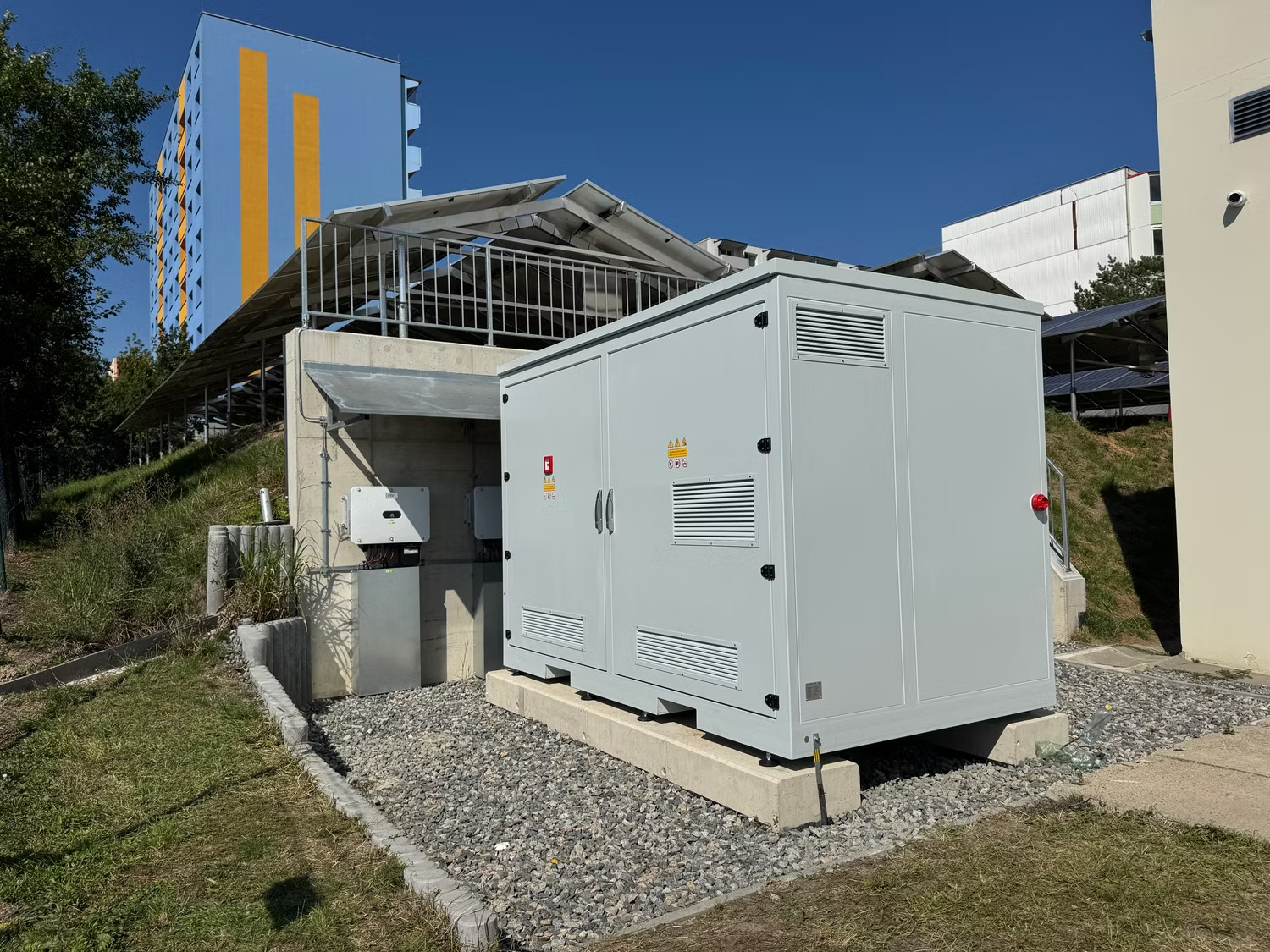
The electrical works include a new 33 kV grid connection from UK Power Networks’ Bishop’s Stortford substation and the design and construction of a 33/11 kV primary substation to supply the development. The infrastructure has been designed to accommodate phased growth across the site as additional units are constructed and occupied.
Stansted North Site is being developed for commercial uses including e-commerce, life sciences, technology, and logistics. The scheme is expected to include units ranging from 30,000 ft² to 1,000,000 ft², creating a substantial new demand point on the local electricity network.
Early grid infrastructure is increasingly central to the delivery of large commercial and industrial developments. In logistics, data, life sciences, and advanced manufacturing, electricity capacity is no longer a late-stage utility connection issue. It shapes site viability, tenant demand, phasing, and the ability to integrate lower-carbon technologies such as heat pumps, EV charging, rooftop solar, and on-site storage.
The installation of a dedicated 33/11 kV primary substation gives the Stansted development a strategic electrical backbone rather than a conventional incremental connection model. By securing capacity and designing for phased expansion, the site can align future building occupation with network capability rather than returning repeatedly to the grid connection process as demand grows.
That approach is becoming more common across large commercial estates, business parks, logistics hubs, and mixed industrial sites. Power demand from warehouse automation, refrigeration, fleet charging, process loads, and digital infrastructure can quickly exceed historic assumptions for commercial developments. Developers are placing greater emphasis on early feasibility, high-voltage design, and long-term operational control of private networks.
The Principal Designer and Principal Contractor role brings the grid connection into a single delivery structure. Major connections require coordination across network operator requirements, civil construction, substation design, protection settings, commissioning, legal agreements, land access, and future maintenance responsibilities. Fragmented delivery can increase programme risk and delay the point at which a development has usable power capacity.
The Stansted scheme sits against a national backdrop of connection reform and increasing competition for network capacity. Strategic demand projects, including large commercial sites, EV charging hubs, data centres, and industrial electrification schemes, are placing greater pressure on transmission and distribution networks. Projects with clear readiness, efficient capacity use, and credible delivery pathways are moving higher up the queue.
By completing the 33 kV connection and primary substation at an early stage of site development, Power On has put the electrical infrastructure in place for staged growth. For a large commercial site next to a major transport hub, that power capacity will sit alongside road access, building design, and planning consent as a defining operational asset.