
Generation
—
-

Quantum Data Energy has completed construction at its Hindlip plant. The 7.5MW flexible generation asset is energised, G99 compliant, and approaching commercial operation.
-

Europe installed 8,800MW of new wind capacity during H1 2026. Germany led additions, while offshore connections increased and future permitting remains uneven.
-
Windanker has begun exporting power through 50Hertz’s Ostwind 3 connection. Most of its 21 turbines are already feeding Germany’s high-voltage transmission network.
-
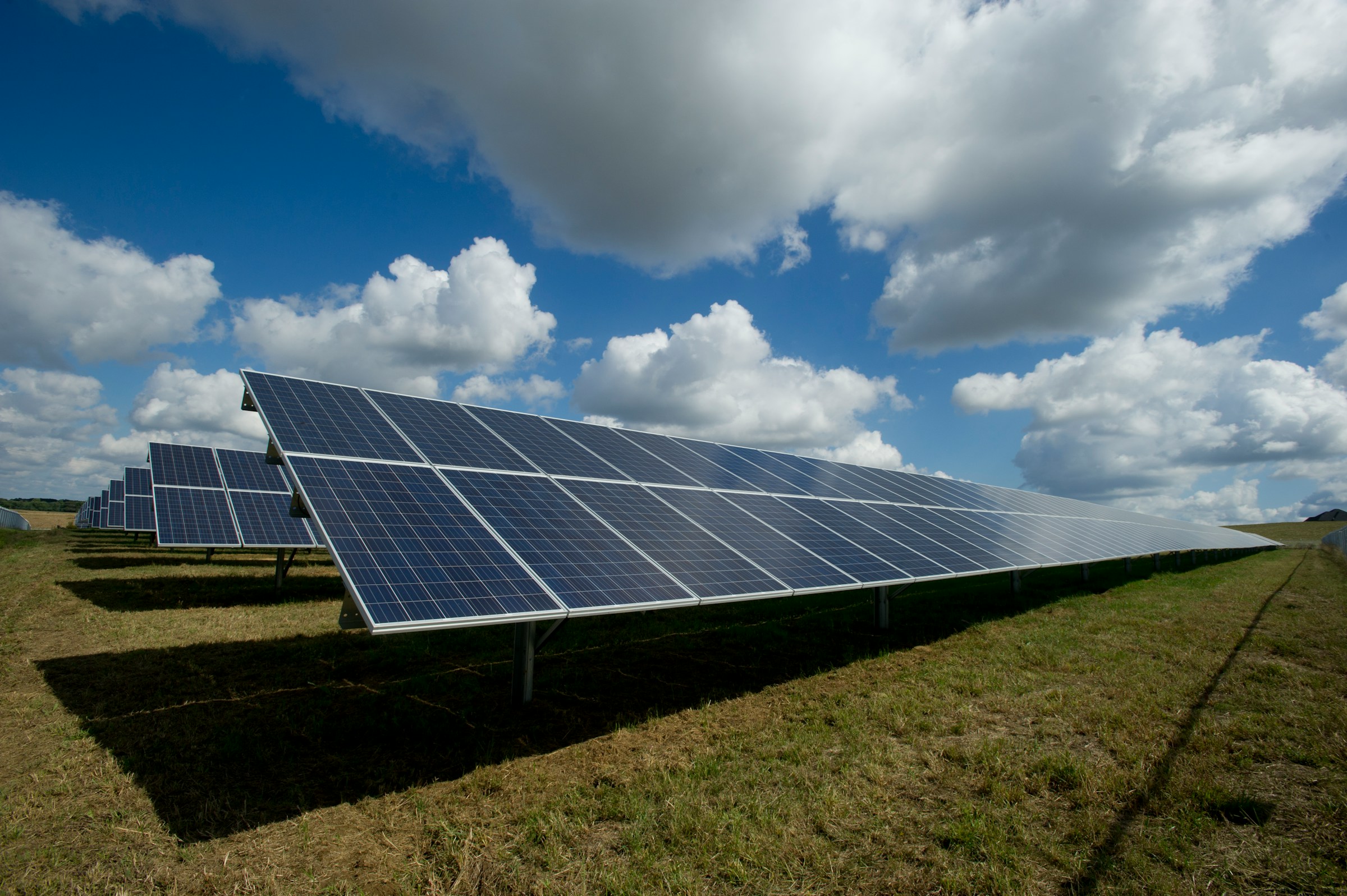
Cape Town has signed its first independent power purchase agreements. The two 20-year solar contracts cover 70MW of generation connected to the municipal grid, with prices below current Eskom supply rates.
-
ePointZero will acquire a controlling 90% stake in Azura Power. The transaction provides exposure to 752MW of operating African generation and a development pipeline exceeding 1.5GW across gas, renewables, and battery storage.
-
Tata Power has commissioned its new 100MW captive solar project. The Tamil Nadu installation uses 261,660 bifacial modules and terrain-following single-axis tracking while supplying manufacturing and infrastructure businesses through a 400kV grid connection.
-

Gawara Baya has reached financial close and final construction approval. The Queensland project combines 408MW of wind generation with a 104MW grid-forming battery and is expected to reach full operation in 2030.
-
Cloudberry has completed its acquisition of Orrön’s Nordic renewable platform. The transaction adds 758GWh of annual proportionate generation and raises Cloudberry’s portfolio to approximately 2.1TWh across Nordic electricity markets.
-
Nordseecluster A has reached halfway through its turbine installation programme. RWE has installed 22 of 44 15MW turbines, with staged commissioning under way before full 660MW grid connection in early 2027.
-
Borkum Riffgrund 3 has entered commercial operation in German waters. The 913MW offshore wind farm combines 83 turbines with 786MW of long-term corporate power purchase agreements.