IN Brief:
- NESO recorded 98.8% zero-carbon operation on Britain’s electricity grid between 15:30 and 16:00 on 22 April.
- Gas fell to 1.2% of the electricity mix across transmission and distribution levels.
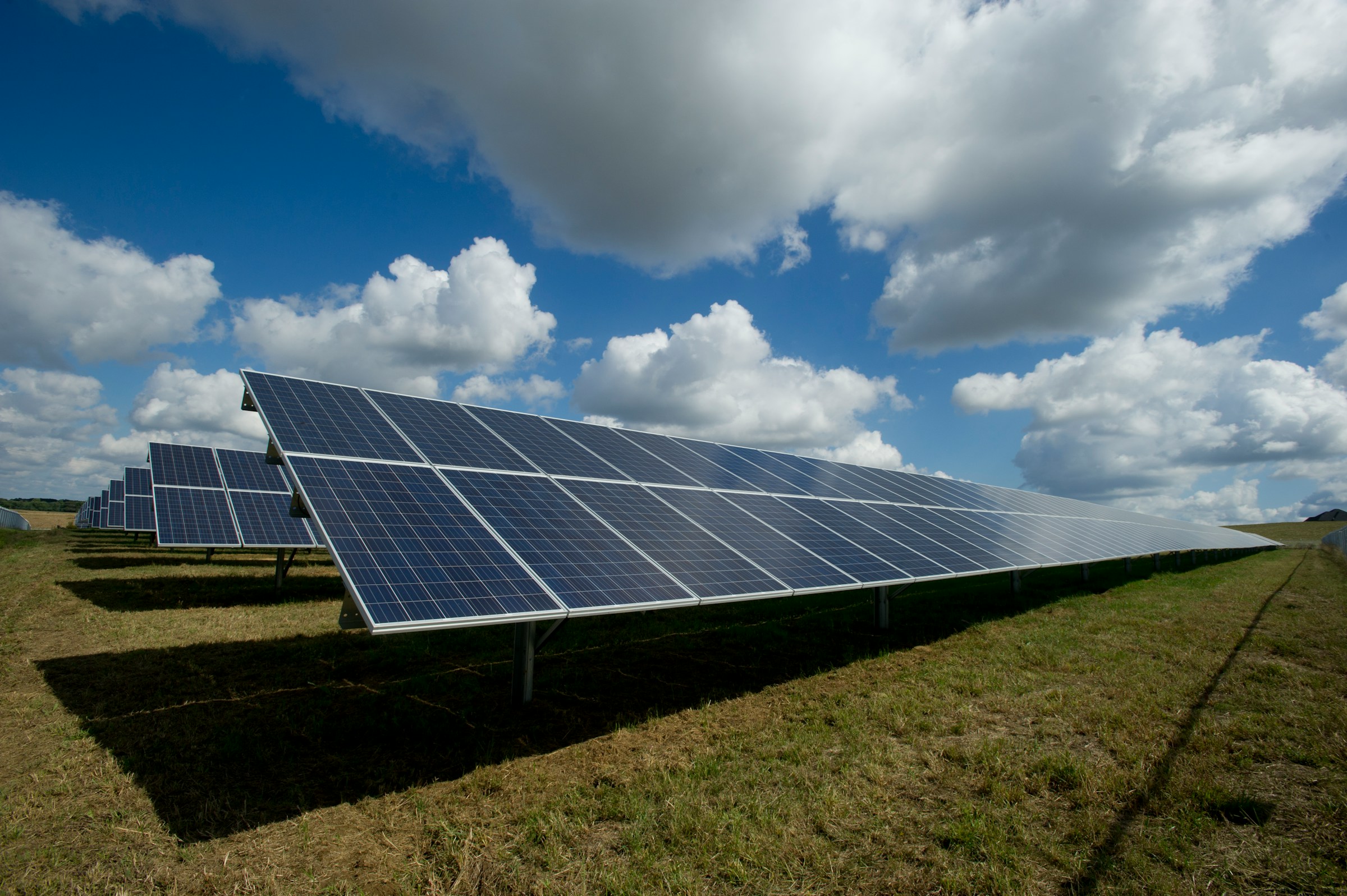
- Solar output reached 15.4GW, setting a new maximum for the GB system.
NESO has recorded a new zero-carbon operating milestone for Britain’s electricity system, running the grid at 98.8% zero-carbon for a short period on 22 April.
The record was set between 15:30 and 16:00, surpassing the previous high of 97.7% recorded on 1 April 2025. Gas generation fell to 1.2% of the electricity mix across transmission and distribution levels, while solar output reached 15.4GW.
The figures show the pace of change in system operation. Coal has now disappeared from routine generation, offshore wind capacity has increased, solar deployment continues to rise, and interconnectors play a larger role in balancing supply. Short periods of very low fossil generation are becoming more frequent as renewable output grows.
Solar’s contribution on 22 April was particularly significant. High daytime solar output can suppress transmission demand, especially during mild weather when heating and cooling loads are limited. That creates periods where the system has abundant renewable generation, but also requires careful management of voltage, frequency, reserve, and constraints.
High zero-carbon operation does not simply mean replacing one unit of fossil generation with one unit of renewable output. Conventional generators have historically provided inertia, voltage control, fault level contribution, and other system services while producing electricity. As their running hours fall, those services need to be supplied through other assets and commercial arrangements.
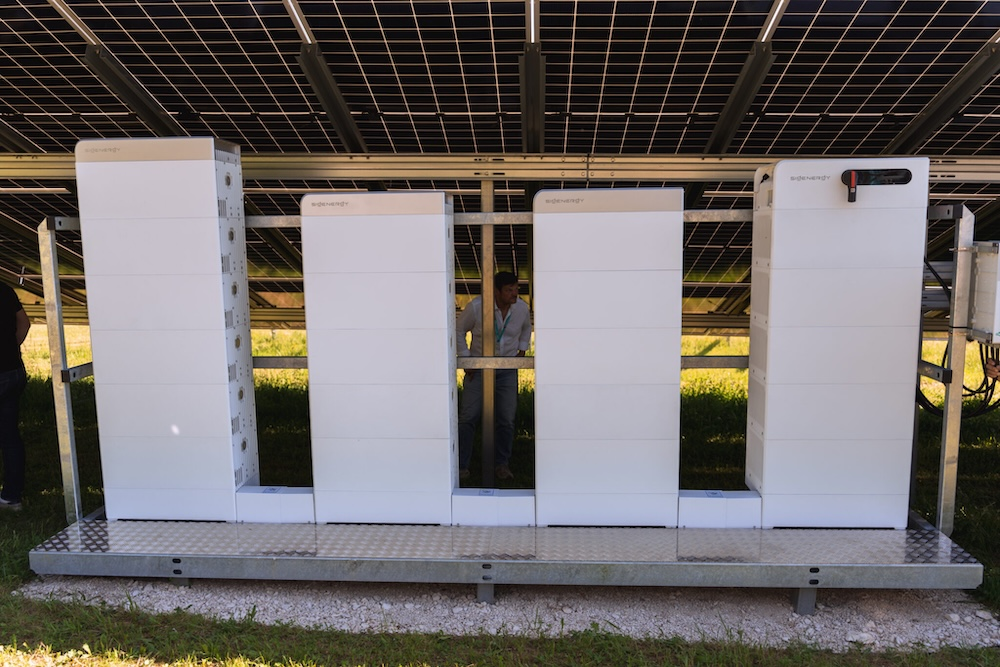
Batteries, synchronous condensers, grid-forming inverters, demand flexibility, interconnectors, and dedicated ancillary service markets all have a larger role in that operating model. The technical task is to keep the grid stable when energy production is increasingly separated from the services that have traditionally supported system security.
The record also reinforces the growing influence of distributed generation. Solar output is spread across utility-scale farms, commercial rooftops, and smaller installations connected at distribution level. That changes the visibility and controllability of the system. Distribution networks are no longer passive delivery routes; they are active parts of national balancing conditions.
Network operators must manage this shift through better forecasting, data sharing, protection settings, connection design, and flexibility procurement. A system with more inverter-connected generation behaves differently from one dominated by large synchronous machines. Fault response, voltage management, and frequency behaviour all require careful engineering as the mix changes.
The low level of gas generation also shows how quickly dispatch conditions can move during periods of strong renewable output. Gas assets may still be needed for resilience, peak demand, and backup capacity, but their operating profile is changing. Fewer running hours, sharper ramping requirements, and greater exposure to balancing markets will alter the economics of dispatchable generation.
The 98.8% record gives a clear indication of the system Britain is now building. High renewable operation is no longer theoretical or confined to isolated trials. It is appearing in live grid conditions, and the next phase will depend on extending those periods safely through storage, flexibility, grid services, and network investment.