IN Brief:
- Power Electronics has reached 170GW of installed AC power worldwide, up from 150GW at the end of 2025.
- The company is targeting 190GW by the end of 2026 and is presenting its latest systems at The smarter E Europe in Munich.
- Its focus includes utility-scale storage inverters, grid-forming capability, solar conversion, and power systems for data-centre applications.
Power Electronics has reached 170GW of installed AC power worldwide, extending its role in solar, storage, and power conversion markets as inverter-based infrastructure becomes more central to electricity-system operation.
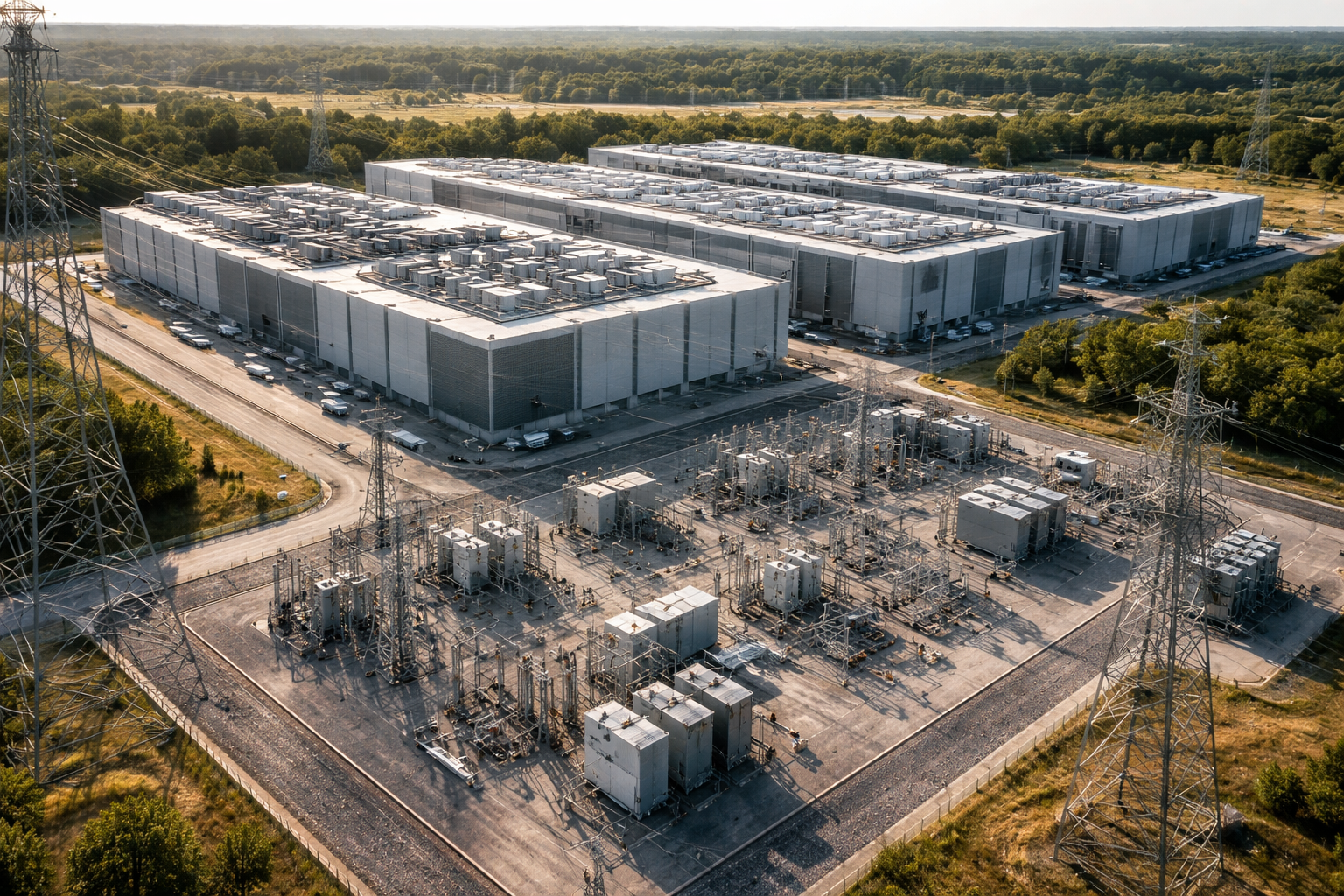
The company moved from 150GW of installed AC power at the end of 2025 to 170GW by mid-2026 and is targeting 190GW by the end of the year. It is presenting the milestone at The smarter E Europe 2026 in Munich, where it is showcasing systems for solar, storage, and data-centre power applications.
Growth in installed AC capacity reflects the expanding function of power electronics across modern electricity infrastructure. Inverters and conversion systems now sit at the centre of solar farms, battery energy storage systems, EV charging hubs, data centres, industrial electrification, and hybrid renewable sites. Their role extends beyond DC-to-AC conversion into grid-code compliance, reactive power control, fault response, monitoring, remote operation, cybersecure communications, and grid-forming operation.
Power Electronics is placing particular emphasis on utility-scale battery storage. Its PCSM and Multi PCSM battery inverters are designed for direct connection to medium-voltage networks and modular deployment in large BESS plants. The company is also focusing on field replaceable units to support maintenance and availability, both of which are becoming more important as storage systems move into long-term contracted operation.
Grid-forming capability is becoming a more visible requirement across inverter-based resources. Traditional synchronous generators naturally provide inertia, fault current, and voltage support characteristics that help stabilise the electricity system. Solar PV, batteries, and other inverter-based assets need control strategies and hardware specified to provide comparable support where required by grid conditions or connection agreements.
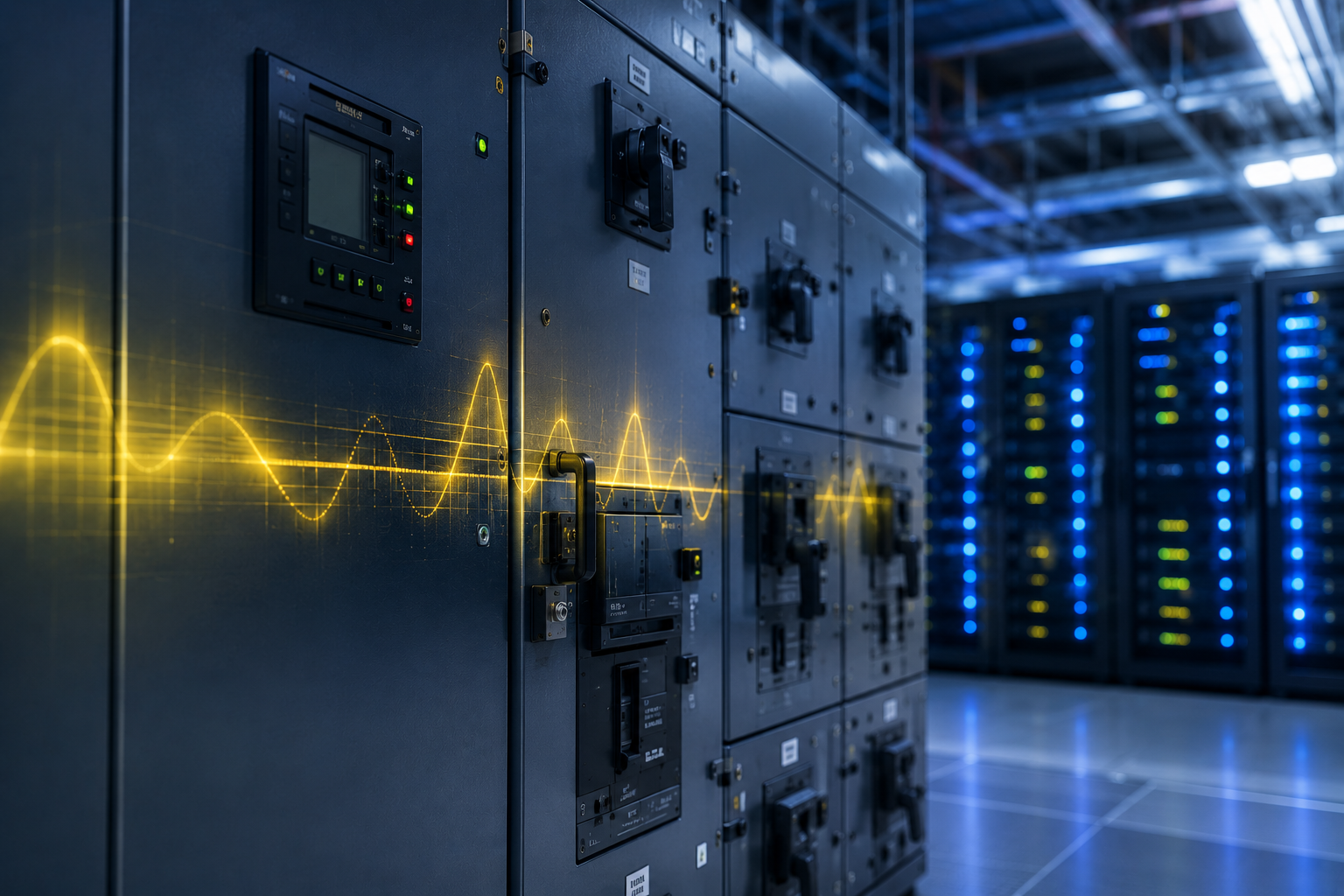
High-load infrastructure is increasing the pressure on those design choices. Data centres, for example, are exposed to power-quality and voltage stability risks as demand rises and grid conditions become more dynamic. Voltage instability around data-centre infrastructure has become a practical concern for operators managing continuous loads, sensitive equipment, and stringent uptime requirements.
The same principle applies across renewables and storage. As more generation connects through inverters, the behaviour of power conversion equipment becomes a grid-stability issue rather than a plant-level detail. Inverter selection affects plant layout, transformer design, protection coordination, grid-code compliance testing, reactive power performance, operating limits, thermal behaviour, and maintenance strategy.
Supply resilience is also becoming more important in procurement. Power Electronics is emphasising European manufacturing, reliability, and cybersecure solutions at a time when renewable and storage infrastructure is increasingly treated as critical energy infrastructure. Cost and efficiency remain central, but developers and utilities are placing greater weight on supplier continuity, product support, software governance, firmware update control, and long-term serviceability.
Storage and solar plant design has also become more integrated. Earlier renewables projects often treated inverters as balance-of-system equipment. Larger hybrid plants and grid-scale BESS assets now require inverter capability to be evaluated alongside the battery system, grid connection, control architecture, and revenue model. A storage asset configured for simple charge and discharge has a narrower role than one specified for grid support, fast response, voltage control, or grid-forming services.
Data-centre demand adds another layer to the market. Higher rack densities, AI workloads, and continuous uptime requirements are increasing the need for robust power infrastructure. Conversion equipment used in these environments must support efficiency, redundancy, fast response, and compatibility with complex backup and grid-interactive systems. The link between digitalisation and power infrastructure is becoming more direct as data-centre loads influence grid planning in several markets.
Maintenance design will increasingly shape project economics. Large BESS and solar portfolios need high availability across long asset lives. Field replaceable units, remote diagnostics, spare-part availability, and service agreements can reduce downtime and simplify repair. In a merchant or contracted flexibility asset, unavailable conversion equipment directly reduces revenue capture and system-service delivery.
The milestone therefore points to a more demanding phase for inverter manufacturers. The market is not only asking for more conversion capacity; it is asking for equipment that can support grid stability, integrate with digital controls, meet cyber requirements, reduce operational downtime, and operate across solar, storage, data-centre, and mobility applications.
Power Electronics’ growth from 150GW to 170GW in six months shows how quickly power conversion capacity is being deployed globally. The next test is whether that deployment can keep pace with the technical obligations now being placed on inverter-based infrastructure, where DC assets, AC networks, and digital controls increasingly meet.
Further product and company information is available from Power Electronics.