IN Brief:
- Orlen has expanded the Kleczew solar park in Poland to 250MW.
- The project is located on reclaimed land formerly used for open-pit lignite mining.
- The wider hybrid site includes 19.2MW of wind capacity and potential expansion to around 334MW.
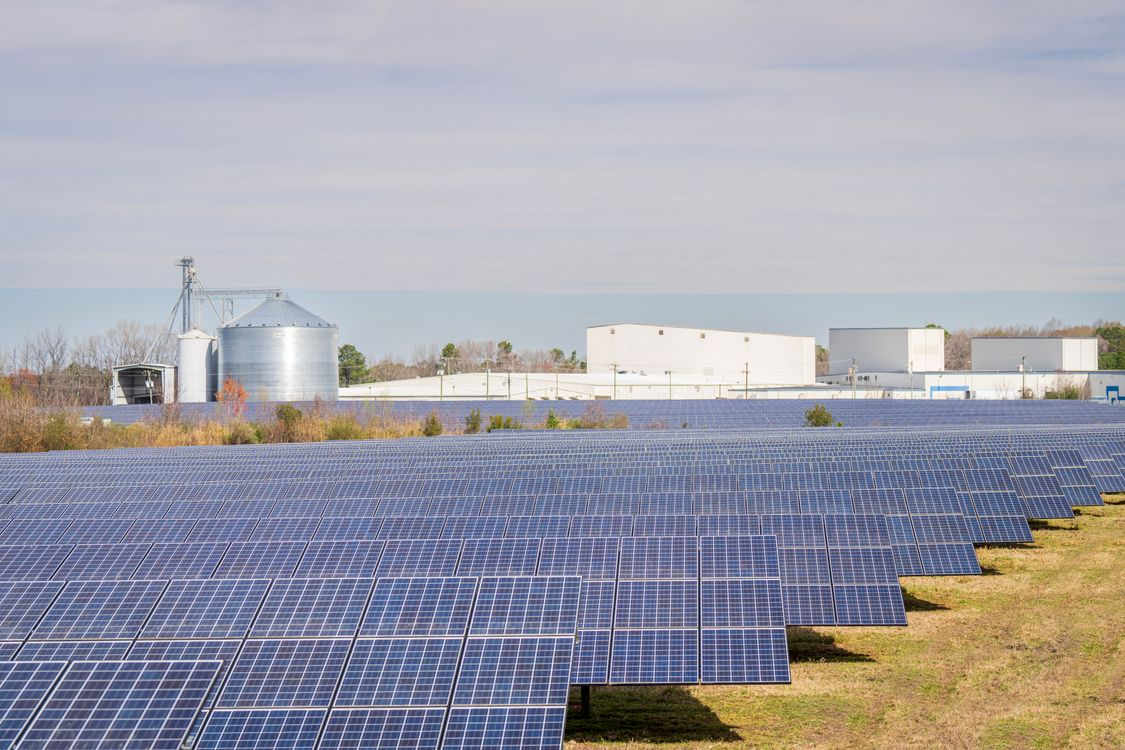
Orlen has completed the expansion of the Kleczew solar park in Poland to 250MW, making it the largest photovoltaic asset in the company’s portfolio.
The project is located on reclaimed land previously used for open-pit lignite mining in Wielkopolska. The wider Kleczew Solar and Wind development combines 250MW of photovoltaic capacity with a 19.2MW wind farm, creating one of the larger hybrid renewable energy assets in the region.
The site’s connection conditions allow further expansion to around 334MW. That gives the project a route for additional capacity if future grid conditions, investment decisions, and commercial arrangements support further development.
Building large-scale solar on former mining land gives the project a direct link to Poland’s energy transition. Coal and lignite regions need new forms of generation, infrastructure investment, and industrial activity as older power assets decline. Reclaimed energy land can support that shift by keeping power-sector investment in areas already shaped by electricity production.
The hybrid structure also improves the use of connection infrastructure. Solar and wind output follow different production profiles, so combining both technologies on one site can increase utilisation over more hours than a single-technology asset. The approach does not eliminate intermittency, but it can create a more balanced generation profile and improve the commercial use of grid capacity.
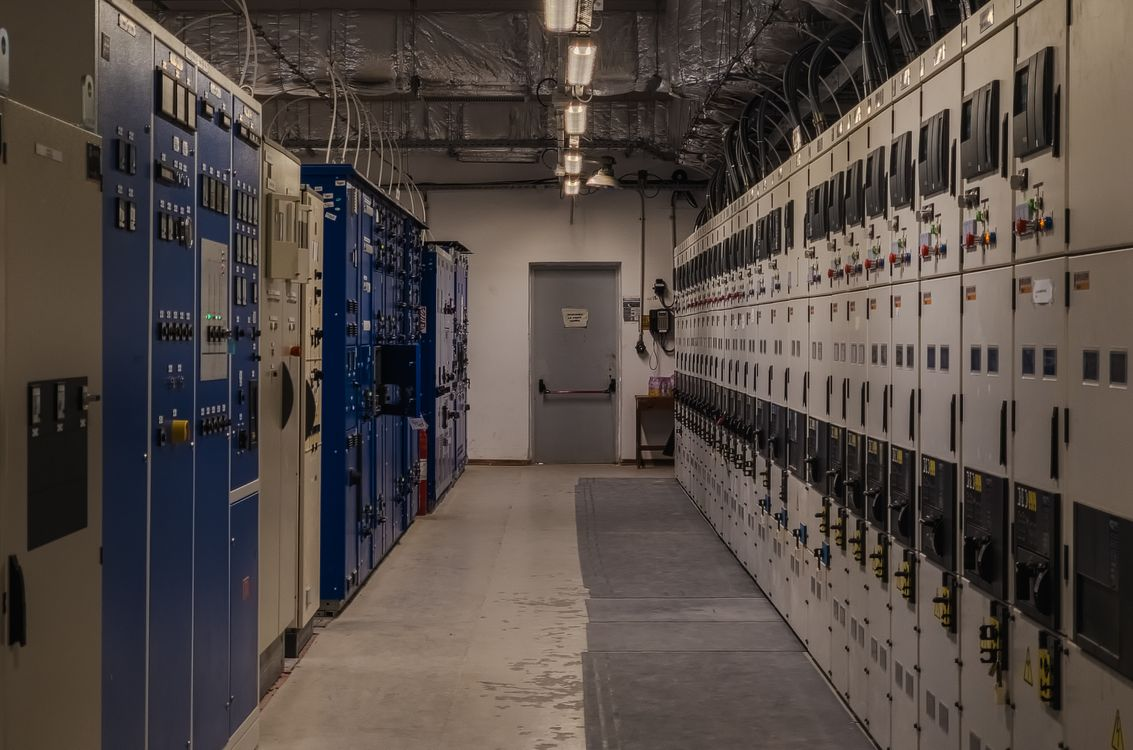
Grid integration remains central to the project’s long-term value. Large renewable sites require suitable connection capacity, forecasting, balancing arrangements, protection coordination, and dispatch integration. Hybrid renewable parks can make better use of electrical infrastructure, but they still depend on a network able to absorb changing power flows.
Poland’s electricity system is moving through a complex transition. Coal remains a major part of the generation mix, while solar, wind, and offshore projects are expanding. That creates simultaneous pressure on generation development and grid reinforcement. New renewable assets must be built, but transmission and distribution systems also have to adapt to new locations, output patterns, and connection volumes.
The same pressure is visible in offshore transmission development, where PSE has awarded 400kV transmission line contracts for Baltic offshore wind. Kleczew adds capacity onshore, but both developments point toward the same structural requirement: renewable generation has to be matched by grid infrastructure capable of moving and managing the power produced.
For Orlen, the expanded solar park increases operational renewable capacity and strengthens its position in Poland’s solar market. For the wider system, the project demonstrates how legacy energy land can be reused for modern generation assets without fully detaching investment from existing power-sector regions.
Utility-scale solar development across Europe is becoming larger, more structured, and more frequently linked to hybrid or storage strategies. The headline capacity remains important, but the development model now carries equal weight. Land reuse, grid connection planning, revenue structure, and technology mix all shape whether projects can move from development to long-term operation.
Kleczew is part of that shift. Its expansion to 250MW adds renewable capacity on a former lignite site, while the hybrid format and potential route to 334MW point to a more integrated approach to generation planning. As Poland adds more renewable capacity, the constraint will increasingly move from project ambition to grid readiness.