IN Brief:
- Ofgem has opened Strategic Innovation Fund Cycle 6 for energy network innovation projects.
- The round covers advanced transmission, dynamic modelling, grid expansion, system visibility, and whole-system optimisation.
- The programme supports early-stage work on network resilience, flexibility, and control as electrification accelerates.
Ofgem has opened the latest Strategic Innovation Fund application window, giving energy network operators and partners a route to develop early-stage projects across transmission, distribution, modelling, control, and whole-system optimisation.
Cycle 6 is open from 26 May to 25 June 2026. The Discovery phase invites projects across seven challenge areas: advanced energy transmission and networks, dynamic modelling, high-energy demand point integration, consumer-centric grid expansion, enhanced system visibility and control, green gas, and whole-system optimisation.
The competition guidance sets the Discovery phase around feasibility work, with successful projects expected to investigate whether an innovation can progress into later development. Eligible lead applicants include licensed electricity and gas network operators, transmission operators, and relevant system bodies, with collaboration built into the fund structure.
The challenge themes reflect the operating conditions now facing GB networks. Electricity demand is being reshaped by EV charging, heat pumps, data centres, industrial electrification, and distributed generation. Renewable output is also growing in locations where existing network headroom does not always match future power flows.
Dynamic modelling sits at the centre of that transition. Traditional planning assumptions around peak demand, asset loading, fault levels, and reinforcement triggers are becoming less reliable as demand and generation become more variable. A more active system requires models that can account for storage behaviour, flexible connections, embedded generation, local constraints, and fast-changing load profiles.
Enhanced visibility and control are particularly relevant on distribution networks. Low-voltage and medium-voltage assets were not originally designed for continuous active management at scale. As rooftop solar, batteries, chargers, and flexible loads increase, operators need better data on asset loading, voltage conditions, phase imbalance, and local network constraints.
The move toward more open network data is already visible in the UK Power Networks DSO open-source Python data package, which gives users a structured way to work with network datasets. Funding routes such as SIF can help convert that wider data access into deployable tools, operational methods, and commercial arrangements.
High-energy demand point integration is another major pressure point. Data centres, fleet depots, heat networks, public charging hubs, and large industrial sites can create concentrated demand in specific locations rather than gradual load growth across a network. Connecting those sites requires capacity assessment, reinforcement planning, flexible connection design, protection studies, forecasting, and local system coordination.
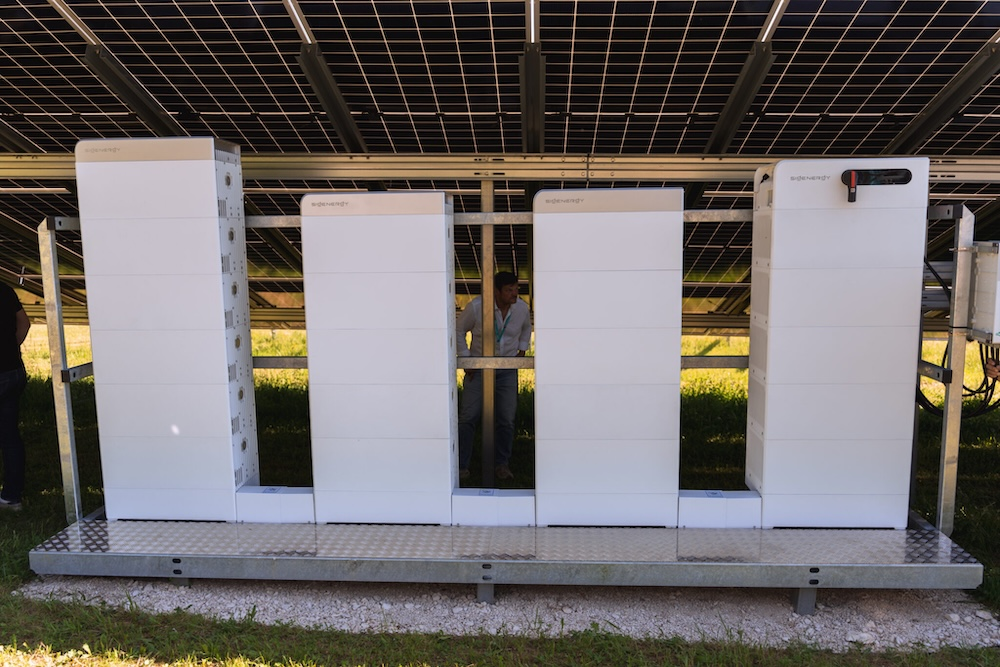
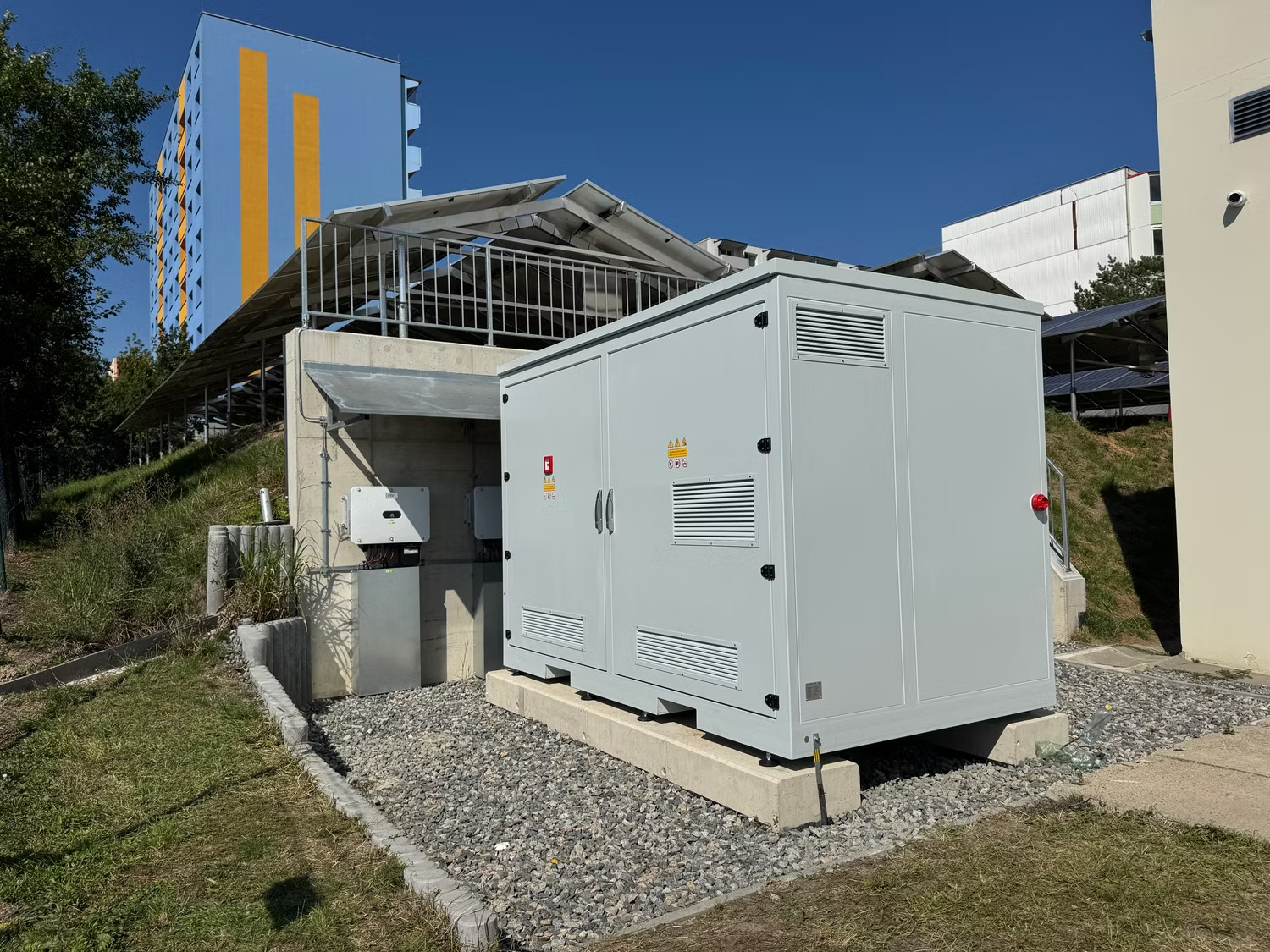
Flexibility is increasingly being assessed closer to constrained assets. The E.ON proposal for firm batteries at constrained local substations shows how storage can be considered as an alternative or complement to conventional reinforcement. Similar projects need reliable control arrangements, clear operating rules, and confidence that flexible assets will respond when required.
The Discovery phase is not intended to deliver full deployment. Its role is to test technical feasibility, identify barriers, and establish whether later development phases are justified. Projects that progress will still need to operate within safety cases, cyber security requirements, procurement rules, outage planning, customer standards, and price-control incentives.
The latest round also points to a broader change in network innovation. Earlier programmes often focused on isolated technology trials, while current challenges combine data, control, modelling, commercial design, and physical infrastructure. That reflects the reality of a more electrified system, where new hardware alone will not solve congestion, connection delays, or resilience issues.
Network operators now need innovation that can be absorbed into regulated business-as-usual activity. Tools must be secure, auditable, interoperable, and useful under real operating conditions. Ofgem’s latest SIF window gives the sector another mechanism to test those capabilities before they become core requirements of a higher-demand, higher-renewable electricity system.