IN Brief:
- NTPC and EDF Power Solutions India signed a 50:50 joint venture agreement on 25 September.
- The venture can develop, own, and operate pumped storage, hydropower, renewable generation, and distribution projects in India and neighbouring countries.
- NTPC's board had approved formation of the partnership in December 2025, initially identifying pumped storage as its development focus.
NTPC and EDF Power Solutions India have formalised a 50:50 joint venture covering pumped storage, hydropower, renewable generation, electricity distribution, and other power system infrastructure in India and neighbouring countries.
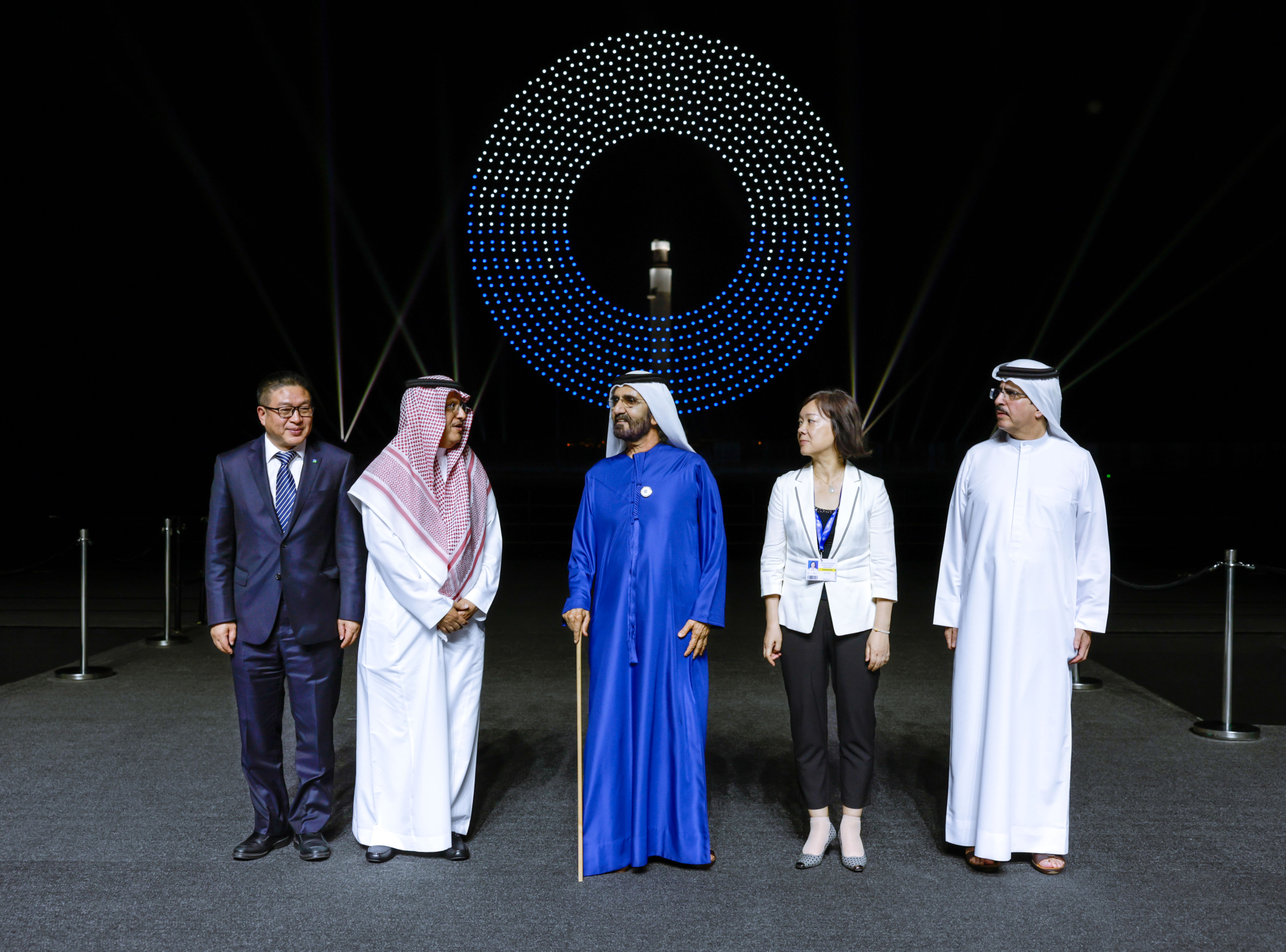
The joint venture agreement was signed on 25 September in the presence of NTPC chairman and managing director Gurdeep Singh and EDF chairman and chief executive Bernard Fontana. The structure is intended to develop, own, and operate assets rather than operate solely as an advisory or technology-sharing arrangement.
NTPC Limited and EDF Power Solutions India have identified pumped storage and hydropower among the venture’s principal activities, alongside other renewable projects and electricity distribution. Flexibility solutions and transmission assets are also included within the wider stated scope.
The signing follows an earlier corporate approval rather than creating the partnership from scratch. NTPC’s board approved formation of a 50:50 joint venture with EDF Power Solutions India in December 2025, subject to the necessary government and statutory approvals, with pumped storage identified as the initial development focus.
The latest agreement gives that proposal a formal operating structure and broadens the publicly described remit beyond a single storage technology. No named project portfolio, aggregate investment figure, or committed construction timetable has yet been disclosed.
Pumped storage is likely to remain central because it combines bulk electricity storage with conventional hydroelectric machinery. Electricity is used to pump water from a lower reservoir to a higher one during selected periods, before the water is released through turbines when generation is required.
The technology can provide considerably longer energy duration than many existing electrochemical batteries, but it requires suitable geography, substantial civil engineering, water management, environmental approvals, transmission connection, and lengthy development programmes. Its commercial case therefore depends on far more than the cost of turbines and pumps.
High renewable penetration strengthens the requirement for resources able to move electricity between different parts of the day. Solar output can be abundant around midday and fall rapidly towards evening, while wind generation can vary across longer periods. Storage allows some electricity produced during lower-demand or lower-price periods to be retained until the system requires it.
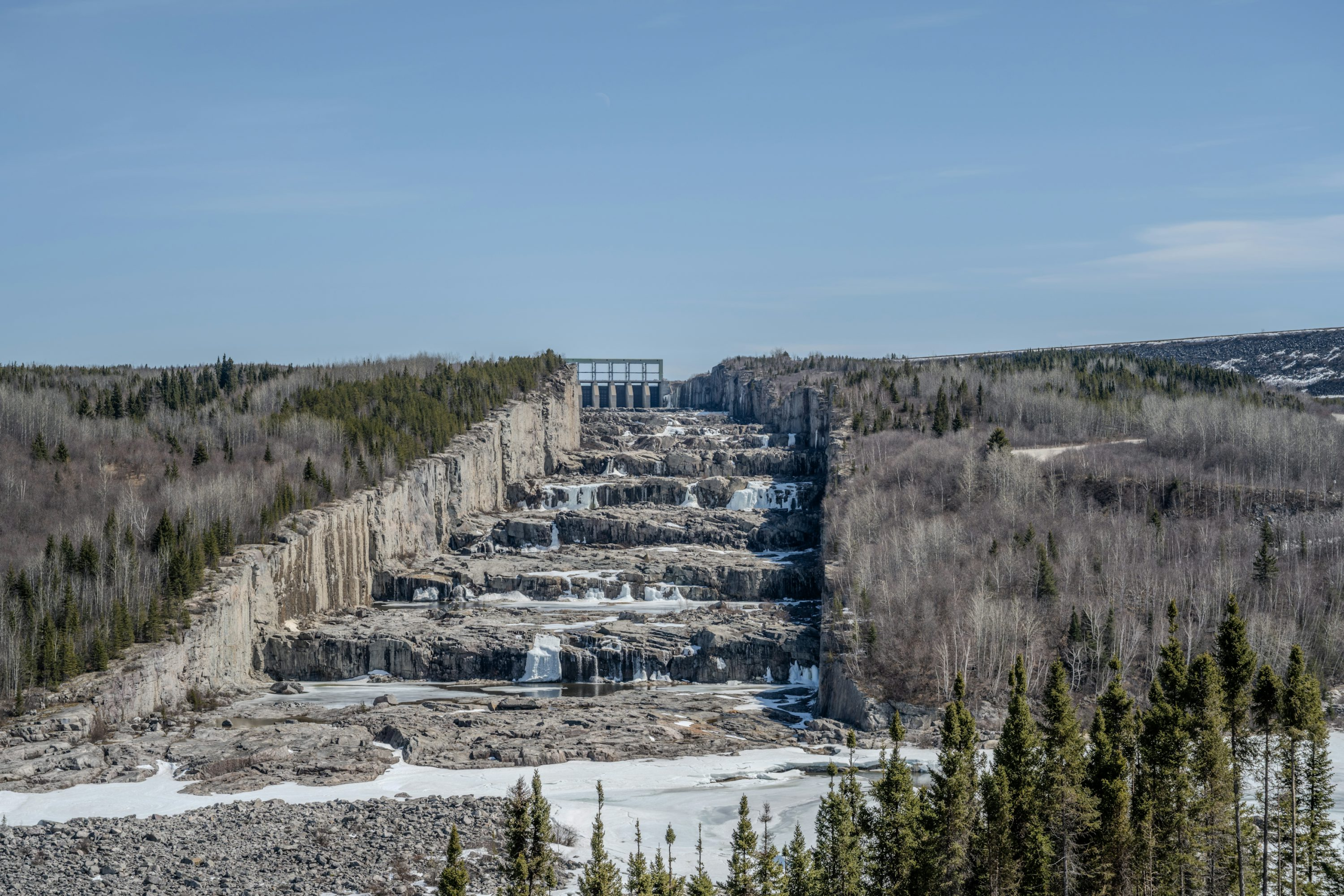
Conventional hydropower offers another form of flexibility where reservoir arrangements permit operators to alter output according to demand and system conditions. Combining hydro and pumped storage expertise within one development vehicle creates scope for projects with longer operating lives and different duty cycles from battery installations.
The agreement’s inclusion of transmission assets is also significant. Large storage and renewable projects depend on sufficient network capacity to move electricity from the project site to demand centres. A technically viable generation project can be delayed or constrained if transmission infrastructure is not delivered alongside it.
Distribution activity moves the partnership further along the electricity system towards end users. That breadth means the venture could eventually combine generation, storage, network, and distribution interests rather than concentrating on isolated power plants, although individual projects will still require their own commercial and regulatory structures.
NTPC brings an established Indian generation and development platform, while EDF contributes international experience across hydroelectric generation and low carbon power infrastructure. The practical value of the combination will become clearer when the venture moves from corporate formation to named projects with defined capacities, locations, financing, and construction programmes.
The partnership arrives as India expands both renewable generation and resources capable of delivering power outside the hours in which it was produced. Competitive procurement increasingly rewards projects able to supply during peak periods rather than simply offering the lowest price for undifferentiated renewable electricity.
Recent Indian peak renewable procurement has already combined variable generation with storage obligations intended to shape output around system demand. Pumped storage addresses the same requirement at a different scale and with different engineering characteristics.
A large pumped hydro project typically carries a longer development programme than a battery installation but can provide substantial energy capacity over many operating years. Batteries offer faster response and modular deployment but require lifecycle management as cells degrade. The Indian system is likely to require both rather than treating them as interchangeable alternatives.
The joint venture agreement does not by itself add any megawatts to India’s operating system. Site studies, permits, grid arrangements, financing, equipment procurement, civil works, and commissioning remain necessary before individual projects become physical assets.
Formalising the development vehicle does, however, create a structure through which those projects can now be pursued jointly. The next substantive milestone will be the first named scheme committed to the venture, when the broad ambitions around pumped storage, hydropower, renewables, networks, and distribution begin to translate into engineering specifications and construction programmes.