IN Brief:
- Noveria Energy has signed a grid construction agreement with TenneT Germany for a 250 MW battery project in Lower Saxony.
- The scheme is targeted for connection in early 2028 and is located in a region shaped by major offshore wind inflows from the North Sea.
- Grid access, allocation rules, and siting are becoming more decisive for German battery projects than headline capacity figures alone.
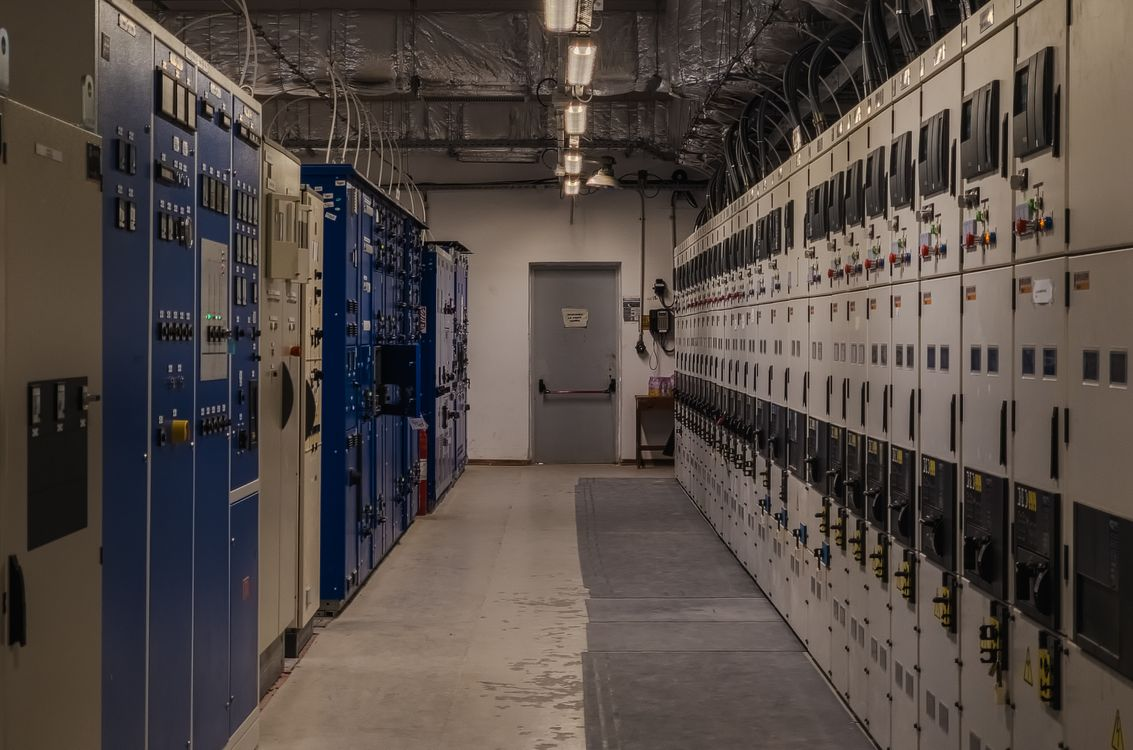
Noveria Energy has signed a grid connection construction agreement with TenneT Germany for a 250 MW battery energy storage project in Lower Saxony, giving the development a defined route to connection and moving it further into the delivery phase.
The project is due to connect in early 2028 and will be located in north-west Germany, a region shaped by substantial power flows from North Sea offshore wind. Noveria has set out the agreement as the basis for the project’s grid integration and operational role within a system that is carrying growing renewable volumes and increasingly variable transmission patterns.
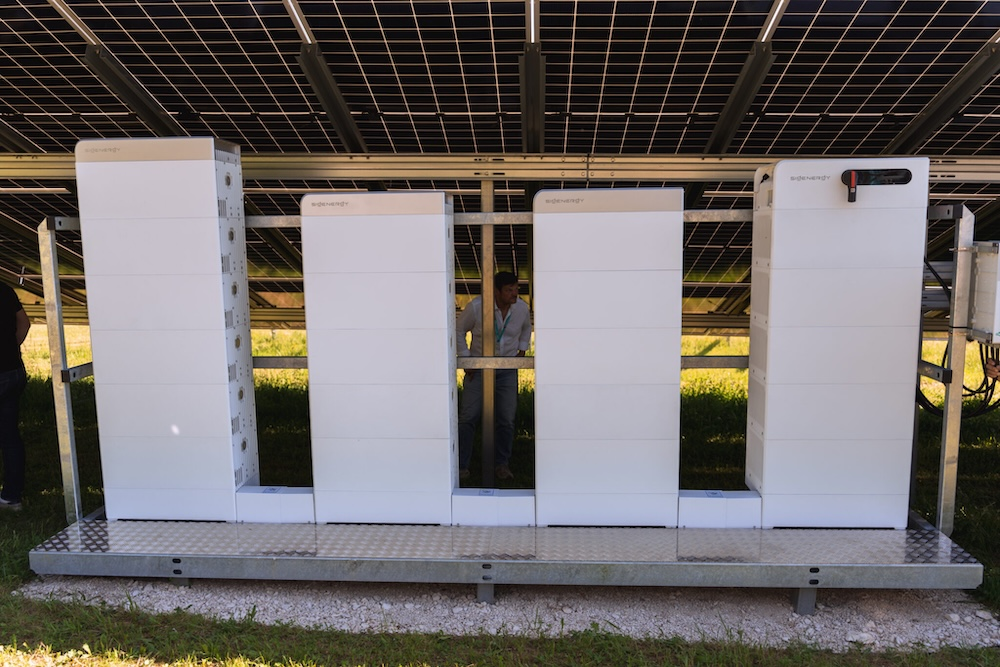
Industry reporting has identified the scheme as a 250 MW / 1,000 MWh project, indicating a four-hour storage configuration. That places it firmly within the utility-scale category, suited to energy shifting, congestion support, and wider system balancing rather than shorter-duration ancillary response alone.
The agreement stands out because battery announcements in Germany are now being judged as much by connection progress as by installed capacity. Development pipelines have expanded quickly, but the differentiating factor is increasingly whether a project has secured a realistic network interface and a credible timeline through permitting, allocation, and construction.
Germany’s storage market has been growing rapidly. Installed battery capacity reached around 24 GWh after more than 6.5 GWh was added in 2025, and that growth has taken place across residential, commercial, and utility-scale segments. Large storage, however, is entering a more demanding phase. Grid access has become tighter, connection procedures are evolving, and the most suitable sites are attracting heavier competition.
Transmission-level allocation rules are becoming part of that change. Advisory work published this year described a more formalised “first-ready, first-served” approach, under which projects would be screened for maturity, assessed in defined windows, and required to meet clearer thresholds and financial commitments. The intention is to manage rising demand for connection in a more structured way. For developers, it also means that preparation, timing, and network readiness now carry more weight.
The location of the Noveria project underlines the operational logic behind large storage in northern Germany. Offshore wind inflows can produce high renewable output at times when the wider system is constrained, and batteries positioned near major network nodes can help absorb energy, support system operation, and provide flexibility as transmission infrastructure catches up with generation growth. That makes Lower Saxony one of the more active battlegrounds for storage deployment.
Project quality is therefore becoming harder to separate from connection quality. A well-capitalised scheme with a large nameplate capacity may still struggle if it cannot secure a workable interface to the grid. By contrast, a project with a construction agreement in place has moved beyond general development intent and into a more tangible execution framework.
The wider German market is also forcing storage developers to navigate several moving variables at once. Revenue expectations, planning rules, grid fees, queue management, and equipment availability are all changing. Battery technology continues to improve, but the most difficult questions are increasingly procedural and infrastructural rather than electrochemical.
That is likely to shape the next phase of the market. Germany is no longer deciding whether large batteries will form part of the power system. The debate has shifted to where they connect, under which rules, and how quickly transmission operators and developers can move from queue position to energised asset. The TenneT agreement places Noveria further along that path than many projects of similar headline size.