IN Brief:
- Moldova formally energised and inaugurated the approximately 157km Vulcănești–Chișinău overhead transmission connection on 8 November.
- The investment includes a 400kV single-circuit line, modernisation of Chișinău substation, and expansion of Vulcănești substation.
- The route strengthens access to electricity imports from Romania without requiring transmission through the Cuciurgan hub in Transnistria.
Moldova formally energised and inaugurated its new 400kV Vulcănești–Chișinău electricity transmission connection on 8 November 2026, completing a major milestone in a programme designed to strengthen the country’s electricity import routes. The approximately 157km overhead line links the Vulcănești substation in southern Moldova with the capital, alongside associated substation modernisation and expansion works.
The project has been implemented by the Moldovan Ministry of Energy through its Energy Projects Implementation Unit, with national transmission operator Moldelectrica as the principal network beneficiary. It forms part of the Power System Development Project, supported by the World Bank Group and the Moldovan government.
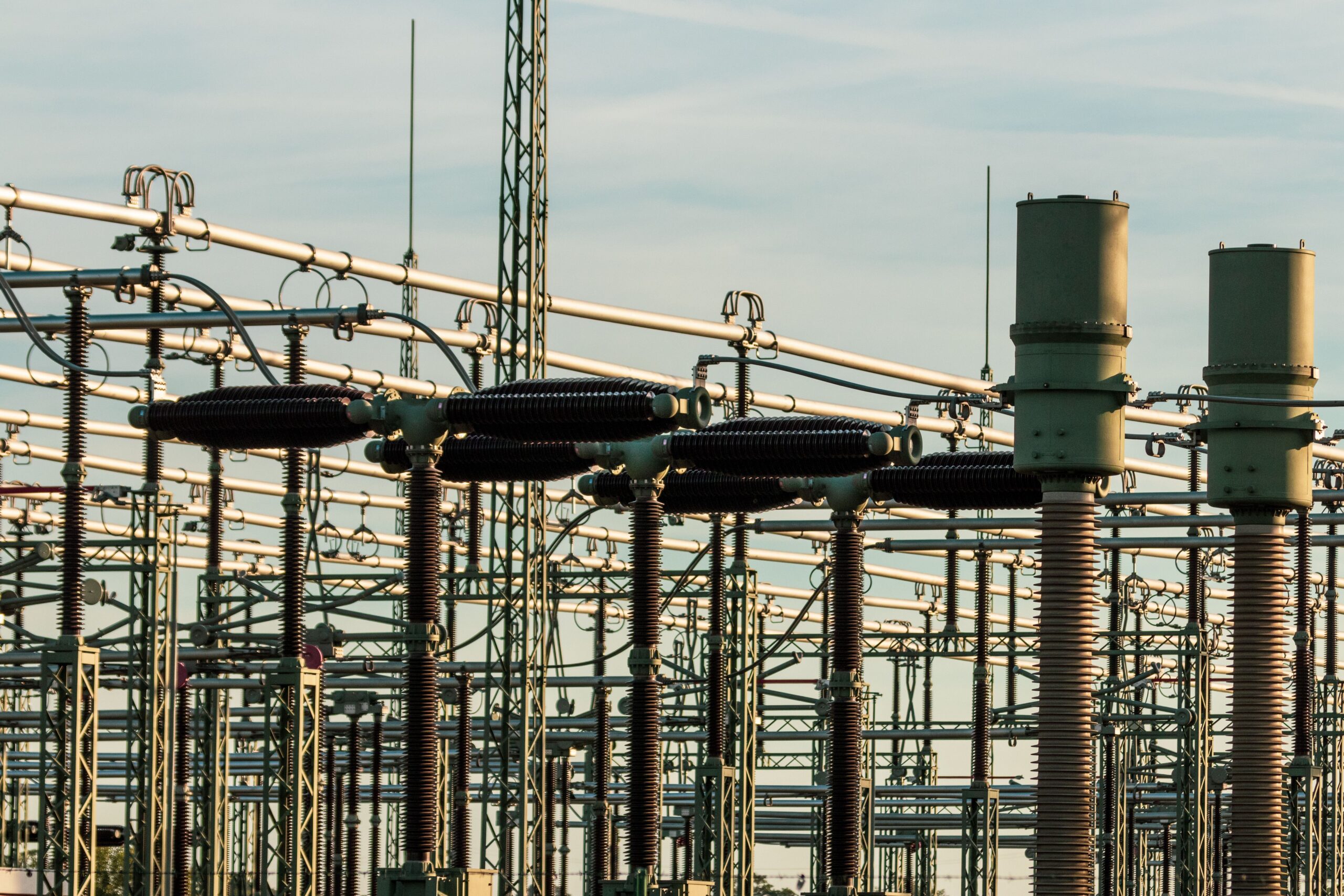
The new infrastructure comprises a single-circuit 400kV overhead connection, modernisation of the 330/110/35kV Chișinău substation, and expansion of the 400/110/35kV Vulcănești substation. These installations provide the electrical interfaces needed to move power from the southern transmission network towards the country’s principal demand centres.
The transmission route crosses eight administrative districts and 35 localities. Project records identify more than 500 transmission towers and approximately 1,500km of conductors, reflecting the material quantities required to construct the three-phase overhead circuit and its associated conductor arrangements.
Development expenditure has been estimated at approximately €61 million, including around €27 million allocated to the overhead line itself. The remaining programme covers the related network infrastructure and implementation activities. The project has experienced multiple changes to its completion timetable, with substation works continuing after the principal overhead line was constructed.
The new connection addresses a longstanding vulnerability in Moldova’s electricity transmission arrangements. Imports from Romania and other European markets have historically depended on routes involving infrastructure in or near the Transnistrian region, including the Cuciurgan electricity hub, also known as MGRES.
The Vulcănești–Chișinău connection establishes a separate high-voltage route between southern Moldova and the capital. Electricity entering the southern network can be transported towards Chișinău without using the Cuciurgan hub, reducing reliance on that particular transmission corridor.
This change improves the geographical diversity of Moldova’s transmission infrastructure, although it does not make the country independent of external electricity supplies. The availability of imported power will continue to depend on generation and market conditions in connected countries, available cross-border transmission capacity, and the operating condition of the wider network.
The line has been described as having a transfer capability of up to 630MVA. That rating represents apparent electrical power, which incorporates the relationship between voltage, current, and power factor in an alternating current system. It should not be treated as an unconditional ability to transfer 630MW under every operating condition.
The Moldovan authorities estimate that the infrastructure could support electricity transfers equivalent to more than half of national consumption during peak demand periods. Actual transfers will depend on system conditions, the availability of electricity at the point of import, and the technical limits of the connected transmission network.
The 400kV overhead route terminates at a substation serving an existing 330kV network. Integrating these voltage levels requires suitable transformation, protection, switching, and control equipment. The work at Chișinău has consequently been important to the overall connection programme, rather than being a minor addition to the completed overhead line.
During October 2026, the Moldovan government reported that a transformer previously sent to Spain for repair had been returned, installed, and tested at the Chișinău substation. The equipment forms part of the electrical interface required to connect the new infrastructure with the existing transmission system.
The substation commissioning programme has included checks of primary electrical equipment, protection systems, communications, secondary circuits, and technical documentation. These systems work together to control power flows, identify faults, and coordinate isolation of affected equipment when operating conditions require intervention.
Protective relays, for example, monitor electrical quantities and initiate appropriate responses when faults occur. Circuit breakers must then interrupt the affected current within their design capabilities, while communications and control systems provide the information needed to coordinate operation across connected substations.
The additional transmission route also requires coordination between network operators. Energising a high-voltage circuit must take account of the electrical conditions at both ends of the connection, while testing and protection arrangements must be completed before the equipment can be placed into routine operation under the applicable network procedures.
The principal overhead line had previously undergone technical energisation tests in January 2026. Those tests involved applying voltage to the line and checking the continuity and reliability of signals transmitted between the Vulcănești and Chișinău installations. The November milestone therefore represents the formal energisation and inauguration of the wider infrastructure, rather than the first occasion on which voltage was applied to any section of the line.
Further inspection and acceptance work had continued during October. A reception commission examined equipment and documentation at Chișinău, with the Ministry of Energy describing a staged process for energisation and verification. Final acceptance documentation was to be considered after the necessary checks and contractual requirements had been completed.
The 8 November inauguration followed that extended programme of construction and technical preparation. President Maia Sandu and European Commissioner for Enlargement Marta Kos attended the event, alongside government officials and representatives of the institutions involved in financing and delivering the infrastructure.
The ministry’s announcement confirms that the line and associated substations were energised, but it does not provide a measured commercial power-transfer figure or establish that the maximum rated transfer capability was being used. Energisation, technical acceptance, and sustained operation at particular loading levels are separate milestones.
With the new connection energised, Moldova has an additional route for moving imported electricity between Vulcănești and Chișinău without relying on the Cuciurgan hub. The next operational assessments will concern the performance of the completed electrical infrastructure under normal network conditions and the level of transfers available through the wider interconnected system.