IN Brief:
- Jinko ESS and Taliva Energy have signed contracts covering 400MWh of BESS projects.
- The systems will be deployed across multiple utility-scale developments in Eastern Europe.
- The agreement builds Taliva’s energy storage pipeline across Turkey, Romania, and wider European markets.
Jinko ESS and Taliva Energy have signed contracts covering 400MWh of battery energy storage system projects across multiple utility-scale developments in Eastern Europe.
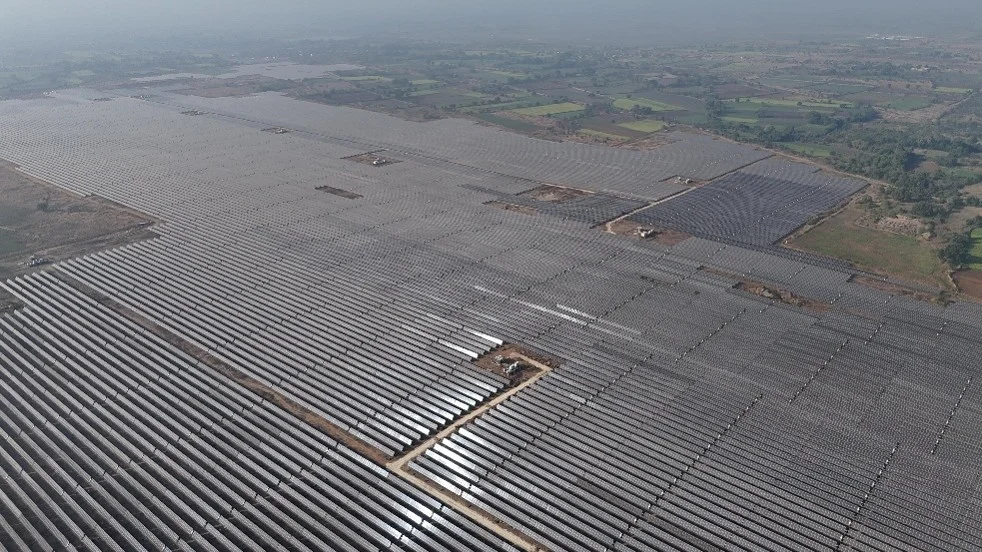
The agreement, formalised during Intersolar Europe, will see Jinko ESS technology deployed across several locations. Taliva Energy operates across solar, storage, and associated clean-energy infrastructure, with activity in Turkey, Romania, and wider European markets.
Eastern Europe’s storage market is beginning to move from early deployment toward repeatable project delivery. Renewable generation is expanding, grid reinforcement remains uneven, and power-market structures are being adapted to accommodate more flexible assets. Batteries are increasingly being used to support balancing, congestion management, renewable shifting, and ancillary services.
For Jinko ESS, the agreement strengthens its European position as a supplier of battery systems for utility-scale applications. The company sits within the wider JinkoSolar group and supplies systems that combine battery containers, controls, safety architecture, and integration support. For Taliva, the agreement supports its target of installing more than 500MWh of storage capacity by the end of 2026.
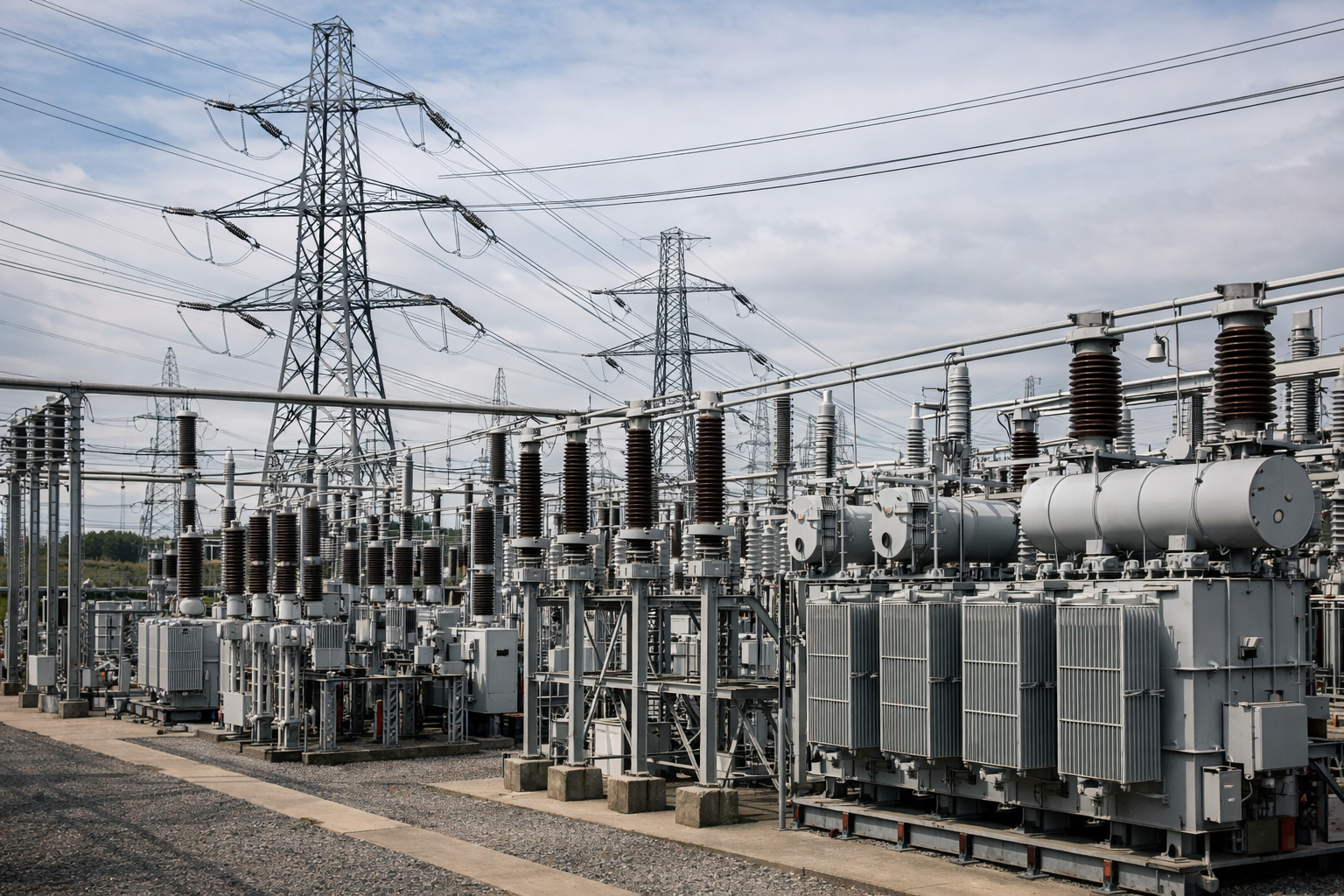
Storage procurement now reaches well beyond cell supply. Developers need power conversion systems, battery management systems, thermal control, fire safety, transformers, switchgear, protection, communications, commissioning support, and long-term service capability. Supplier selection is therefore tied to integration risk, delivery certainty, and operational performance, not only equipment capacity.
The agreement follows the same regional direction seen in larger European BESS portfolios across Germany, Poland, and Belgium. Those projects demonstrate the scale now emerging in more mature storage markets, while the Jinko ESS and Taliva agreement shows how Central and Eastern European deployment is also gathering pace.
Eastern European grids face a distinct combination of pressures. Renewable output is rising, older thermal assets still influence system operation, and cross-border electricity flows remain central to regional security. Storage can help manage those pressures, but its value depends on connection availability, revenue models, grid-code clarity, and the ability to dispatch assets in response to real system needs.
A multi-site portfolio creates both benefits and engineering complexity. Storage spread across several locations can reduce dependence on one connection point and support different network conditions. It also requires consistent technical standards, coordinated operational control, local contractor management, site-specific permitting, and clear maintenance regimes.
The region’s supply chain will also influence delivery. Batteries, inverters, transformers, switchgear, civil works, and commissioning specialists are in demand across Europe, and storage developers must secure equipment early enough to protect project timelines. Delays in one component class can prevent an otherwise ready project from connecting.
Taliva’s wider presence across Turkey and Romania gives the company exposure to markets where renewable generation and grid needs are both developing quickly. The ability to standardise storage deployment across jurisdictions could reduce project friction, although local grid rules, permitting regimes, and market structures will continue to vary.
The Jinko ESS and Taliva agreement adds another layer to Europe’s storage build-out. Large flagship projects will shape headline capacity, but regional portfolios of mid-sized assets will be equally important in building practical flexibility across constrained grids. Eastern Europe is now becoming a more active part of that deployment map.