IN Brief:
- Ipsum has won a five-year overhead line framework with Scottish Hydro Electric Power Distribution.
- The contract covers 33kV distribution network services across Argyll and the West.
- The scope includes construction, maintenance, refurbishment, dismantlement, underground cabling, jointing, reinstatement, and emergency response.
Ipsum has been awarded a five-year framework contract with Scottish Hydro Electric Power Distribution to deliver overhead line services across its 33kV distribution network, with an option to extend for a further three years.
The contract covers Lot 1, Argyll and West, including Arran, Oban, Lochgilphead, Islay, and surrounding areas. It expands Ipsum’s role in the UK electricity distribution sector and builds on its existing overhead line contract with Southern Electric Power Distribution.
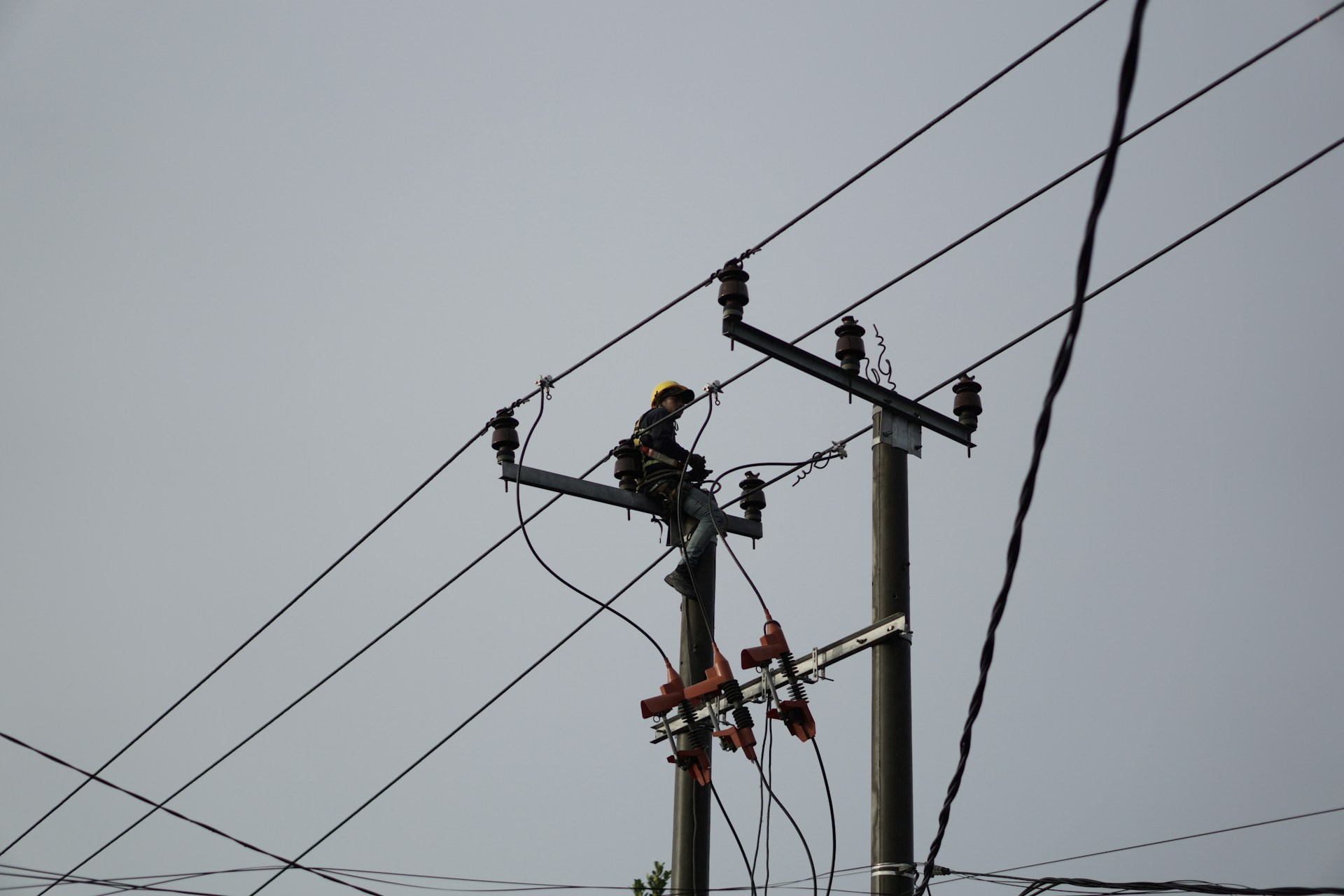
The framework covers the full lifecycle of overhead line services up to 33kV, including construction, maintenance, refurbishment, and dismantlement of wood pole infrastructure across LV, 11kV, and 33kV networks. The scope also includes associated enabling works such as underground cable installation, jointing, traffic management, excavation, and reinstatement.
Ipsum will also provide emergency response capability to support network resilience during severe weather events. That requirement is particularly relevant in the west of Scotland, where rural, island, coastal, and weather-exposed networks can face difficult access conditions, storm damage, and extended restoration logistics.
The award sits within a period of sustained investment across UK distribution networks. DNOs are delivering maintenance, resilience, and reinforcement programmes under RIIO-ED2 while preparing business plans for RIIO-ED3, the next price control period from 2028 to 2033. Overhead line frameworks sit across both day-to-day network reliability and the longer electrification investment cycle.
Wood pole overhead networks remain central to electricity distribution across many rural areas. They are cost-effective and practical over difficult terrain, but require regular inspection, vegetation management, pole replacement, conductor work, earthing checks, and storm response. As demand grows through heat pumps, EV charging, distributed generation, and rural electrification, those assets will also face new loading and power flow patterns.
The same grid-facing disciplines are visible across renewable connection work. At Pencloe Wind Farm, Powersystems delivered 33kV electrical works including switchgear, high-voltage cabling, fibre, protection, control, SCADA, earthing, testing, and commissioning. Ipsum’s framework sits on the distribution side of that infrastructure chain, where field delivery determines whether networks can maintain resilience while absorbing new connections.
The technical challenge in remote distribution work is rarely limited to one task. A pole replacement or line refurbishment can involve outage planning, live-line constraints, environmental permissions, access tracks, lifting equipment, traffic control, landowner coordination, jointing teams, and restoration procedures. On island and rural networks, mobilisation and logistics can be as demanding as the electrical work itself.
The inclusion of underground cable installation and jointing reflects the hybrid nature of modern distribution reinforcement. Overhead lines remain practical across open terrain, while underground sections may be needed for road crossings, sensitive locations, new connections, or specific resilience requirements. Contractors working across both overhead and underground assets can support more flexible delivery.
Emergency response capability is becoming more prominent as severe weather affects network planning. High winds, flooding, lightning, ice, and access disruption can damage poles, conductors, transformers, and service connections. Faster restoration depends on trained lines teams, spares availability, plant, local knowledge, and coordination with network control centres.
Distribution networks are expected to maintain reliability while enabling substantial new demand. That creates a practical workforce issue, with DNOs needing framework partners able to deliver routine maintenance, planned reinforcement, connection works, and emergency response without stretching scarce electrical skills. Ipsum’s expanded framework position reflects that need for specialist field capacity.
Further information on Ipsum’s power services is available from Ipsum’s regulated power division.