IN Brief:
- Innagreen Investments has acquired the consented Longhedge solar farm in Nottinghamshire from RES.
- The project is expected to deliver approximately 49.9MW of clean electricity once operational, enough to power around 15,000 homes annually.
- RES will continue to provide development, construction management, and technical services under the transaction.
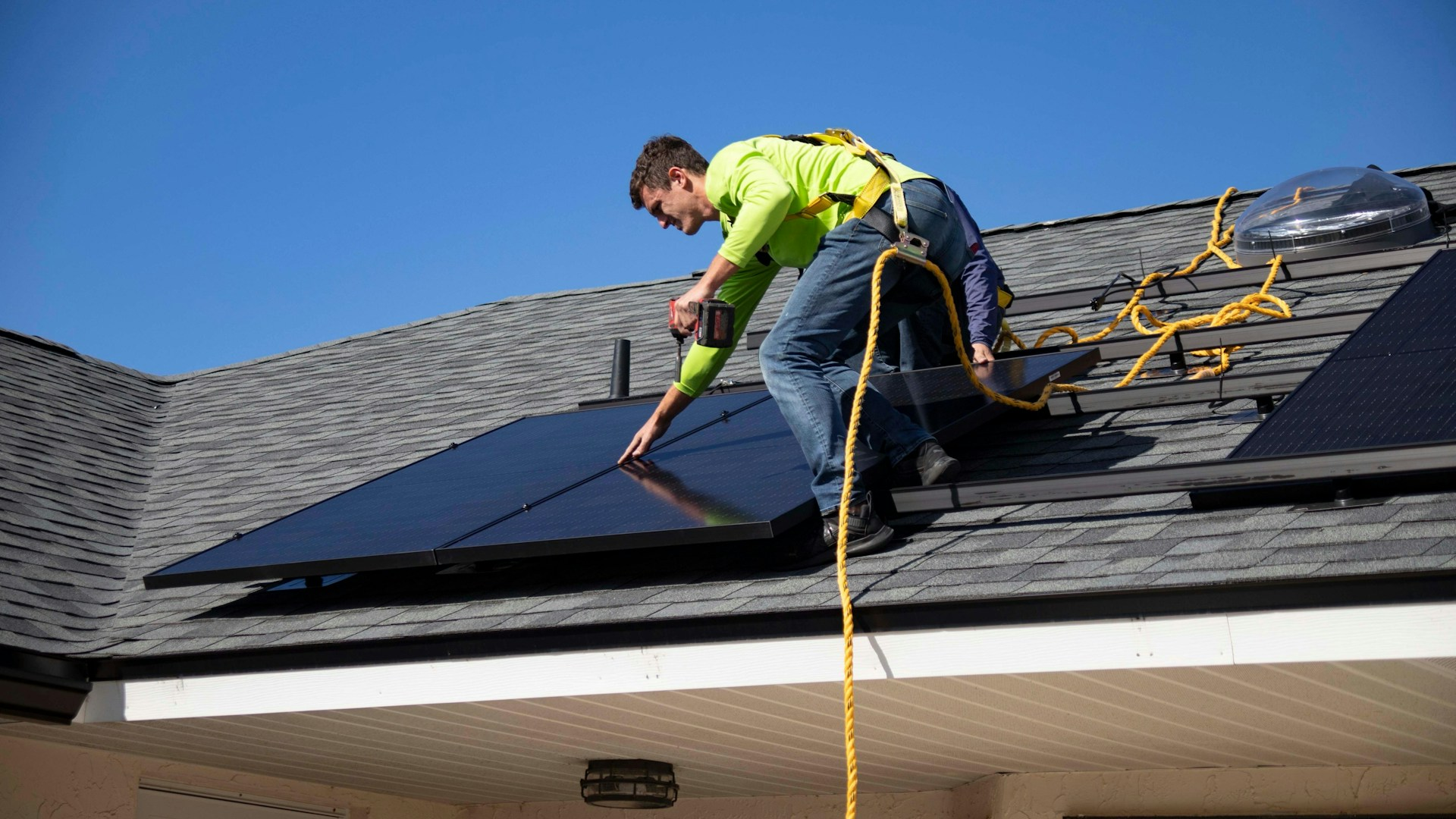
Innagreen Investments has completed the acquisition of Longhedge solar farm in Nottinghamshire from RES, adding a consented 49.9MW project to its UK renewable energy portfolio.
The project was developed by RES and is expected to generate enough electricity to power around 15,000 homes annually once operational. The site also includes planned biodiversity measures, including more than 2.5km of new species-rich hedgerows and two permissive bridleways designed to improve recreational access for users of local Public Rights of Way.
Under the agreement, RES will remain involved in the project through development and construction management, and will provide technical services once the solar farm enters operation. The transaction marks the fourth collaboration between Innagreen and RES and follows Innagreen’s acquisition of Dunbeg South wind farm earlier in 2026.
UK solar investment is moving from early-stage pipeline accumulation toward the delivery of consented assets. Planning consent reduces one category of risk, but projects still have to move through procurement, construction, grid works, commissioning, commercial structuring, and operational handover. The buyer’s ability to fund and deliver the asset is therefore as important as its nominal capacity.
Different commercial structures are now shaping the solar build-out. Direct-supply projects such as the Rhigos Road solar farm in Wales sit alongside CfD-backed assets, corporate power purchase agreements, merchant projects, and hybrid routes to market. Each structure changes the revenue profile, risk allocation, and financing case behind construction.
Longhedge’s scale places it in the utility solar category, where grid connection and route to market are often decisive. A consented project with a clear development partner can be attractive, but its delivery value depends on connection certainty, equipment procurement, construction sequencing, planning-condition discharge, environmental commitments, and long-term asset management.
RES remaining involved is important because development knowledge can be lost when assets change hands. Land arrangements, planning commitments, ecological measures, grid studies, contractor relationships, local engagement, and design assumptions all need careful transfer. Retaining the developer through construction management and technical services can reduce handover risk.
The biodiversity measures show how solar projects are being assessed beyond generation output. Hedgerows, public access, habitat creation, soil management, screening, drainage, and landscape treatment increasingly shape project acceptability. Those measures do not replace the electrical case for a project, but they influence planning outcomes and local response.
For the electrical supply chain, Longhedge will require the standard but substantial package behind ground-mounted solar: modules, mounting systems, inverters, transformers, switchgear, medium-voltage cabling, communications, protection, metering, grid compliance, monitoring, security, and commissioning. Grid connection timing will determine how quickly the project can move from consented asset to operating generator.
The acquisition also sits within a broader market where UK solar developers are recycling capital. Developers can originate and consent projects, sell to infrastructure owners, and reinvest proceeds into new pipelines. Owners with long-term capital can then focus on construction and operation. That division of labour can speed deployment, provided the pipeline does not stall at connection or procurement stages.
Solar deployment is also increasingly connected to storage. Longhedge has been announced as a solar acquisition rather than a co-located storage project, but the wider UK market is moving toward hybridisation where grid capacity, capture prices, and curtailment risk justify batteries. Future project value may depend on whether solar assets can be retrofitted or paired with flexibility where connections allow.
Innagreen’s Longhedge acquisition adds another consented project to the UK delivery pipeline at a point when renewable capacity, grid access, and route-to-market design are converging. Construction start, grid works, energisation, and operating performance will determine how quickly the asset moves from transaction to generation.