IN Brief:
- Fastned and Places for London have secured planning approval for a 36-bay charging hub in Ealing.
- The Hanger Lane site will provide ultra-rapid charging of up to 400kW.
- The project forms part of a wider London hub rollout targeting 25 sites by 2030.
Fastned and Places for London have secured planning approval for a 36-bay ultra-rapid electric vehicle charging hub at Hanger Lane in Ealing.
The site, located near the North Circular road, is expected to open in early 2027. It will provide charging bays capable of delivering up to 400kW, with Fastned stating that compatible vehicles could add up to 100 miles of range in five minutes under suitable charging conditions.
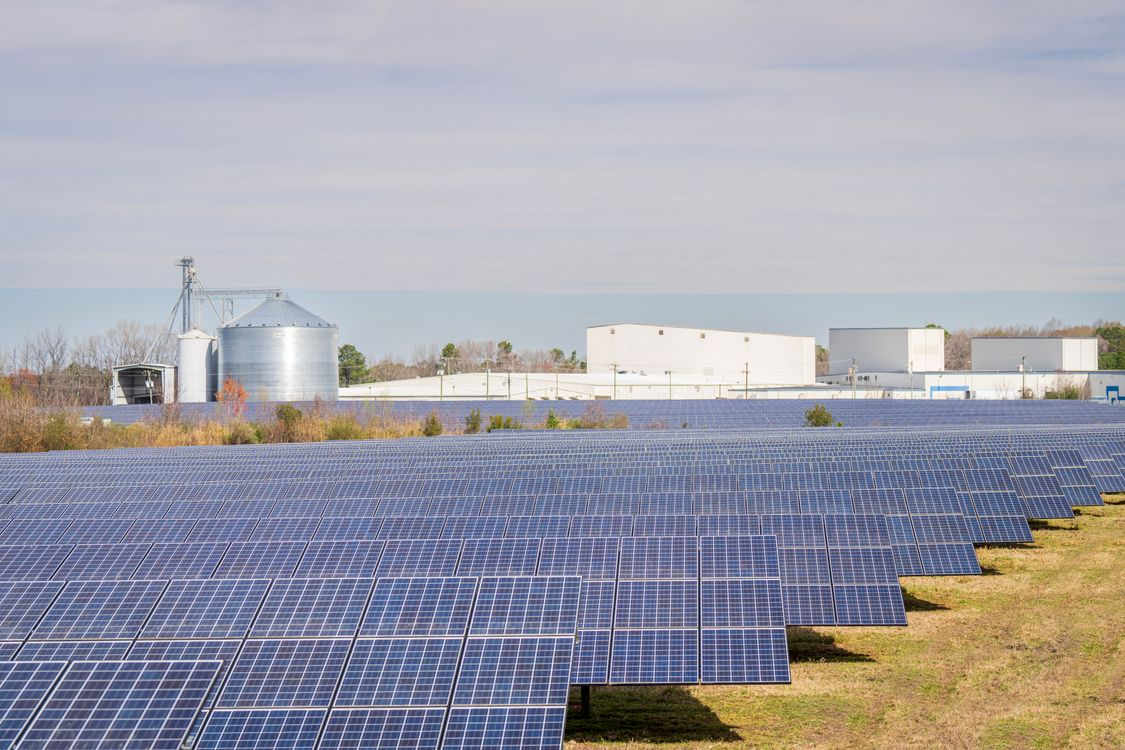
The development will include Fastned’s solar canopy design, lighting, CCTV, accessible charging bays, suspended cable systems, retail space, restroom facilities, benches, and a playground. The layout is intended to support local residents, commuters, visitors, taxis, private hire vehicles, vans, and smaller trucks.
Outer London has a large number of households without access to off-street parking, making public charging infrastructure a core part of the EV transition rather than a supplementary service. High-power hubs also serve commercial drivers and fleet operators that need rapid turnaround without relying entirely on depot-based charging.
Hanger Lane’s location near Park Royal adds a further operational dimension. Industrial areas with vans, service vehicles, taxis, and smaller trucks need charging provision that matches working patterns, vehicle dwell times, and electrical demand. Where depot capacity is limited or grid connections are constrained, public ultra-rapid hubs can form part of the charging mix.
The joint venture between Fastned and Places for London is targeting 25 sites across the capital by 2030, including locations at Hatton Cross, Canning Town, Tottenham Hale, and East Finchley. Places for London, Transport for London’s property company, is using parts of the transport estate to support charging infrastructure in locations already connected to movement corridors.
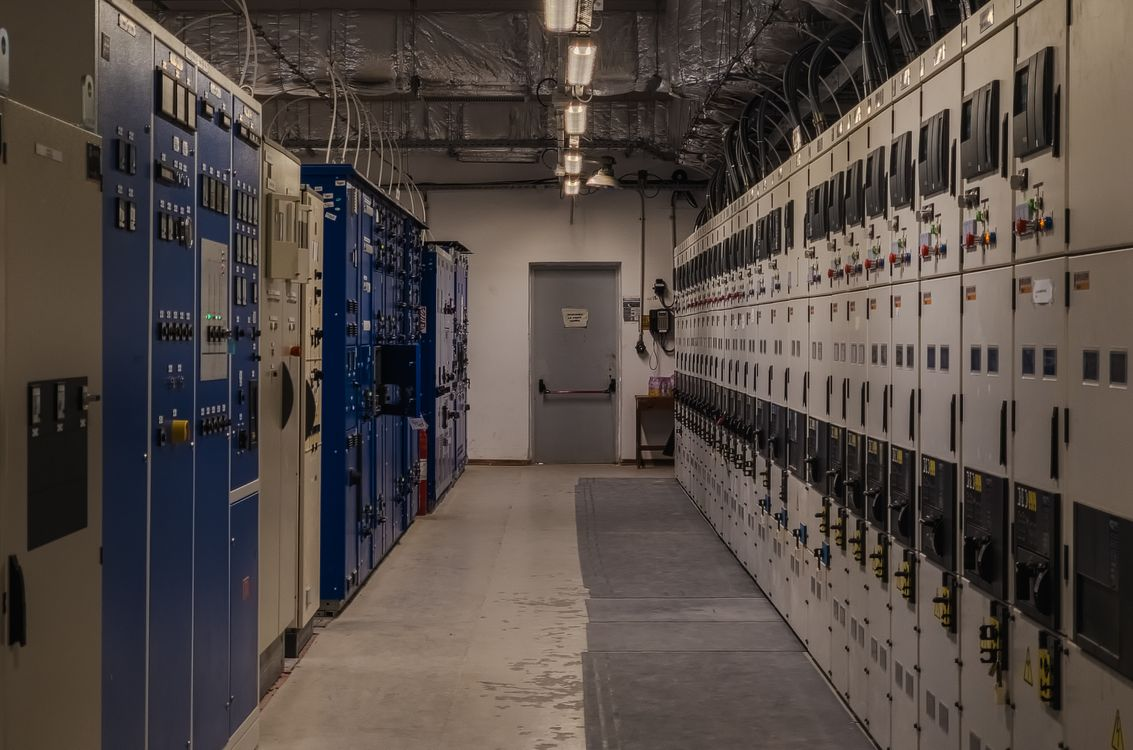
A 36-bay ultra-rapid site is a substantial power infrastructure project. Grid connection capacity, transformer provision, cable routing, earthing, protection, civil works, load management, accessibility, driver circulation, lighting, and future expansion all have to be planned as part of a single site system. The charging equipment may be the most visible element, but the underlying electrical design determines whether the hub can deliver reliable high-power service.
The market is also separating into distinct technical formats. Allye’s upgraded MAX300 depot charging system is focused on managed fleet and depot environments, while Fraunhofer’s truck charging modelling examines cost and infrastructure questions for heavier transport. Hanger Lane sits in another category: high-capacity urban public charging, designed around throughput, accessibility, and proximity to major road infrastructure.
Charging demand will continue to vary by user type. Private cars, delivery vans, taxis, service fleets, and light trucks do not share the same dwell times, daily mileage, or energy requirements. A mature charging system therefore needs home charging, workplace charging, depot charging, destination charging, highway charging, and urban hubs, each with different grid and site-design requirements.
Urban high-power charging also depends on planning and land availability. Sites need to be visible and accessible enough to attract use, while also having enough space and grid capacity to support high simultaneous demand. Transport land can become strategically valuable where it provides proximity to roads, industrial areas, and existing public movement routes.
The Hanger Lane approval gives the Fastned and Places for London rollout a major reference site. As EV adoption grows, charger counts alone will become a weaker measure of infrastructure adequacy. Reliability, power availability, accessibility, and network capacity will carry more weight as charging moves from early deployment into everyday transport infrastructure.