IN Brief:
- The European Commission has developed guidance restricting EU funding for energy projects using inverters from high-risk suppliers.
- The measure focuses on cybersecurity risks linked to internet-connected solar and battery inverter systems.
- The rules add new procurement checks for solar, storage, and clean energy infrastructure projects across Europe.
The European Commission has developed guidance restricting EU-backed energy projects from using inverters supplied by high-risk countries, tightening cybersecurity scrutiny across solar and storage procurement.
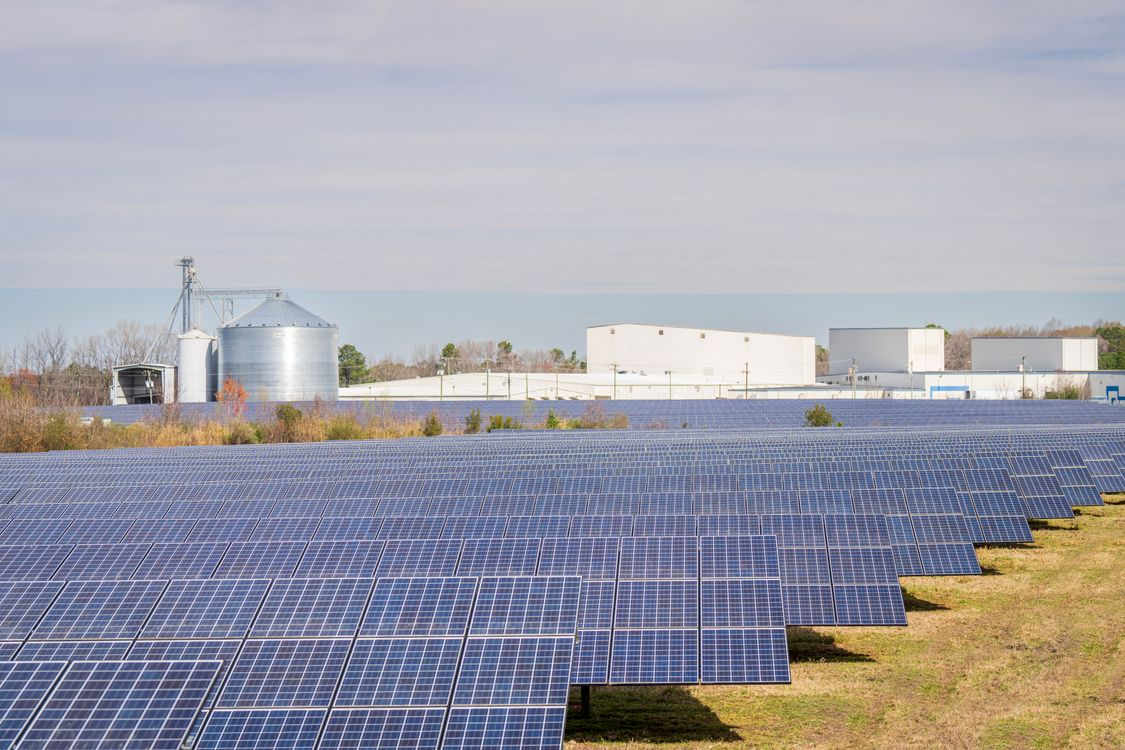
The guidance applies to EU funding instruments and is aimed at reducing exposure to equipment that could create vulnerabilities in critical energy infrastructure. It covers inverter systems used in clean energy projects, including equipment connected to solar PV and battery storage assets.
Solar and storage inverters are no longer simple conversion devices. They manage DC-to-AC conversion, grid-code compliance, monitoring, remote operation, reactive power, curtailment, and fault response. Many are connected through software platforms that allow plant owners, operators, and manufacturers to monitor or update equipment remotely.
That connectivity has changed the risk profile of power electronics. An inverter can influence the behaviour of a generating asset, a storage system, or an aggregated portfolio of distributed installations. Weaknesses in software, communications, update control, or supplier governance can therefore create operational risk at plant and system level.
The Commission’s guidance has been framed around suppliers from high-risk countries, including China, Russia, Iran, and North Korea. Chinese manufacturers hold a strong position across parts of the solar supply chain, including modules, inverters, batteries, and balance-of-system equipment. That market position has helped reduce deployment costs, but it has also increased European concern over dependency and control of critical energy components.
The funding restriction will influence future project procurement where EU-backed finance is involved. Developers may need to demonstrate supplier due diligence, cyber assurance, data governance, product support, and compliance with security expectations before equipment is selected. Project cost, efficiency, warranty, and grid-code compliance will sit alongside supplier jurisdiction and software risk.
The shift is part of a broader European move to connect energy policy with industrial security. Renewable deployment targets remain high, but policymakers are placing more weight on supply chain resilience, domestic manufacturing, and the strategic control of clean energy technologies. Inverters are a natural focus because they sit at the operational interface between distributed generation and the grid.
The installed base will not change quickly. Europe already has a large volume of solar and storage equipment in operation, much of it supplied through globalised supply chains. The more immediate effect will be seen in new publicly supported projects, procurement frameworks, and financing conditions.
The technical challenge is growing as distributed energy assets become more active in system operation. Solar farms, rooftop PV portfolios, batteries, and hybrid sites are increasingly aggregated, remotely monitored, and dispatched through digital platforms. A coordinated fault, outage, or malicious command affecting a large inverter population could disrupt generation output, grid support functions, or asset availability.
Cybersecurity is therefore moving from an IT department issue into mainstream electrical specification. Inverter procurement now has to consider firmware management, access control, communications architecture, data location, vendor support, and the ability to isolate or secure equipment during system events.
The Commission’s guidance gives inverter selection a clearer strategic dimension. As Europe builds more solar and storage capacity, the equipment used to connect those assets to the grid will be judged not only by electrical performance, but by the level of trust that can be placed in its control systems.