IN Brief:
- Ethex will act as registrar for three former Ripple Energy renewable generation co-operatives.
- The assets include Graig Fatha Wind Co-op, Derril Water Solar Park, and Kirk Hill Wind Farm.
- The arrangement will support member information access and generation payment administration.
Ethex will act as registrar for three former Ripple Energy renewable generation co-operatives, covering member records, information access, and generation payment administration.
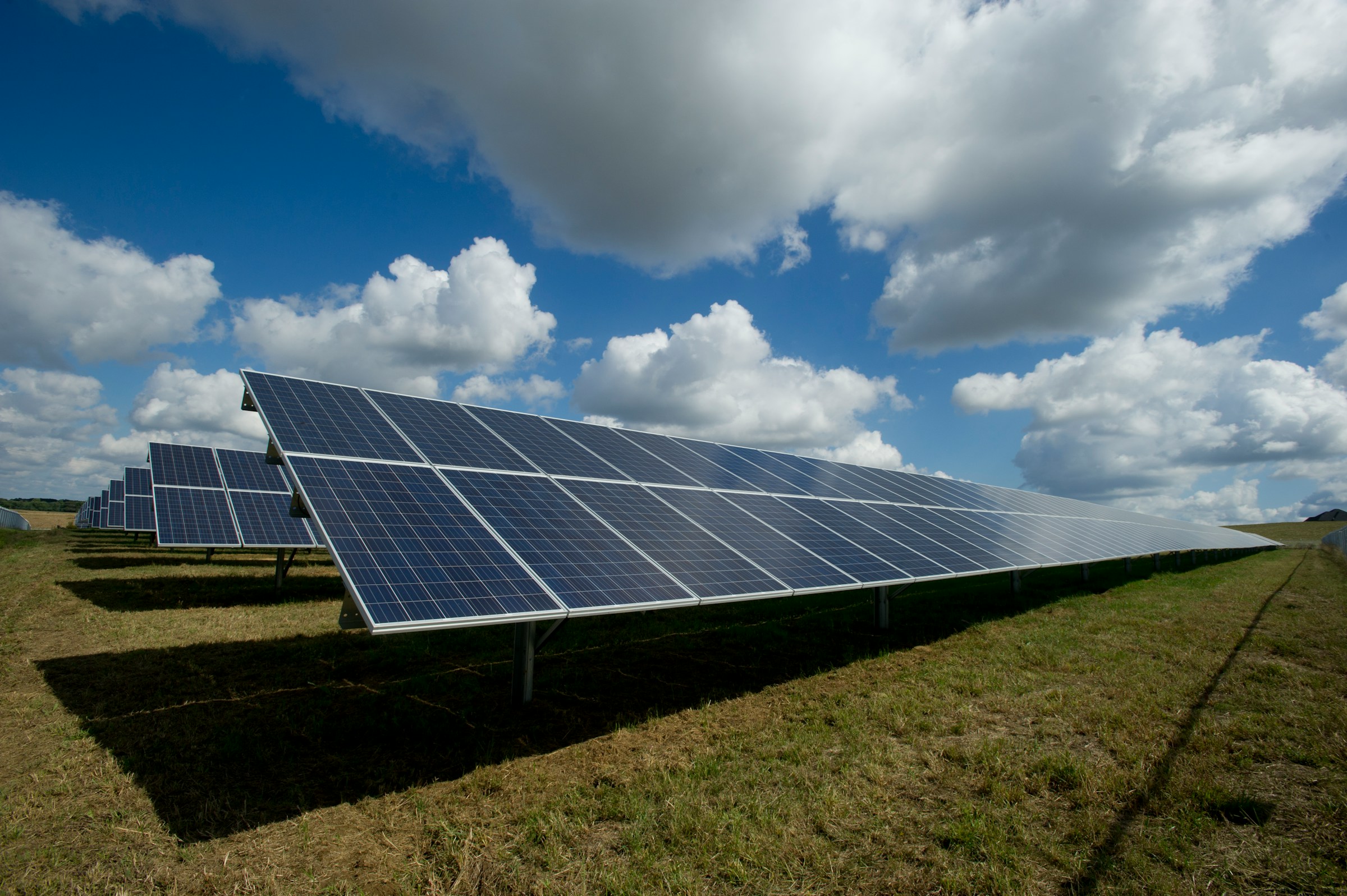
The arrangement applies to Graig Fatha Wind Co-op, Derril Water Solar Park, and Kirk Hill Wind Farm. Members will be able to access project information and receive generation-related payments through the Ethex dashboard.
Graig Fatha, the most advanced of the three co-operatives, part-owns a wind turbine in South Wales. Derril Water Solar Park and Kirk Hill Wind Farm are also within the former Ripple Energy structure and require ongoing member administration following Ripple’s administration in March 2025.
Ethex is working with Communities for Renewables CIC, which manages just under 50MW of community-owned solar PV. The Ethex platform has previously been used to raise funds for community energy projects, including work linked to the UK’s first community-owned battery energy storage system.
The former Ripple projects continued to operate after the company entered administration, with volunteers helping to maintain governance arrangements. 1st Energies acquired Ripple out of administration in April 2025, but the renewable co-operatives still required a mechanism for member records, payments, and communications.
Community-owned generation depends on more than the physical asset. Turbines and solar parks can continue producing electricity, but member rights, generation payments, records, reporting, and governance processes must also remain intact. Without reliable administration, community energy can lose credibility even where the underlying generating plant remains operational.
The model is gaining renewed attention as local energy projects, shared ownership, and community battery storage return to the policy agenda. Great British Energy has set an ambition to support more than 1,000 community and local energy projects, while distribution-level flexibility is becoming more important in areas with high renewable output and changing demand profiles.
Shared renewable assets also sit between retail energy, asset ownership, and local flexibility. Generation payments must be calculated, distributed, and communicated transparently. Where storage is added to future projects, revenues may come from wholesale trading, balancing services, capacity markets, or local flexibility tenders, adding further complexity to member administration.
The former Ripple assets show how governance and data systems are becoming part of the operational infrastructure for distributed energy. As community projects grow in number and technical complexity, member portals, metering records, payment systems, and reporting processes will need the same level of resilience expected from the generating assets themselves.
Community generation will not replace utility-scale renewables or transmission-scale storage, but it can add local participation and increase acceptance of clean power infrastructure. Its growth will depend on whether financial administration, technical operation, and member governance can be designed as one system from the start.
Ethex’s registrar role gives the three former Ripple co-operatives a clearer administrative route after a period of uncertainty. The next phase for community energy will be shaped by the ability to pair dependable asset operation with transparent, durable member systems.