
IN Brief:
- ENOVA has commissioned the 64.8MW Meppen wind farm repowering project in Germany.
- Fourteen older turbines have been replaced by nine Vestas V172 machines.
- The new turbines are expected to generate around 163 million kWh of electricity per year.
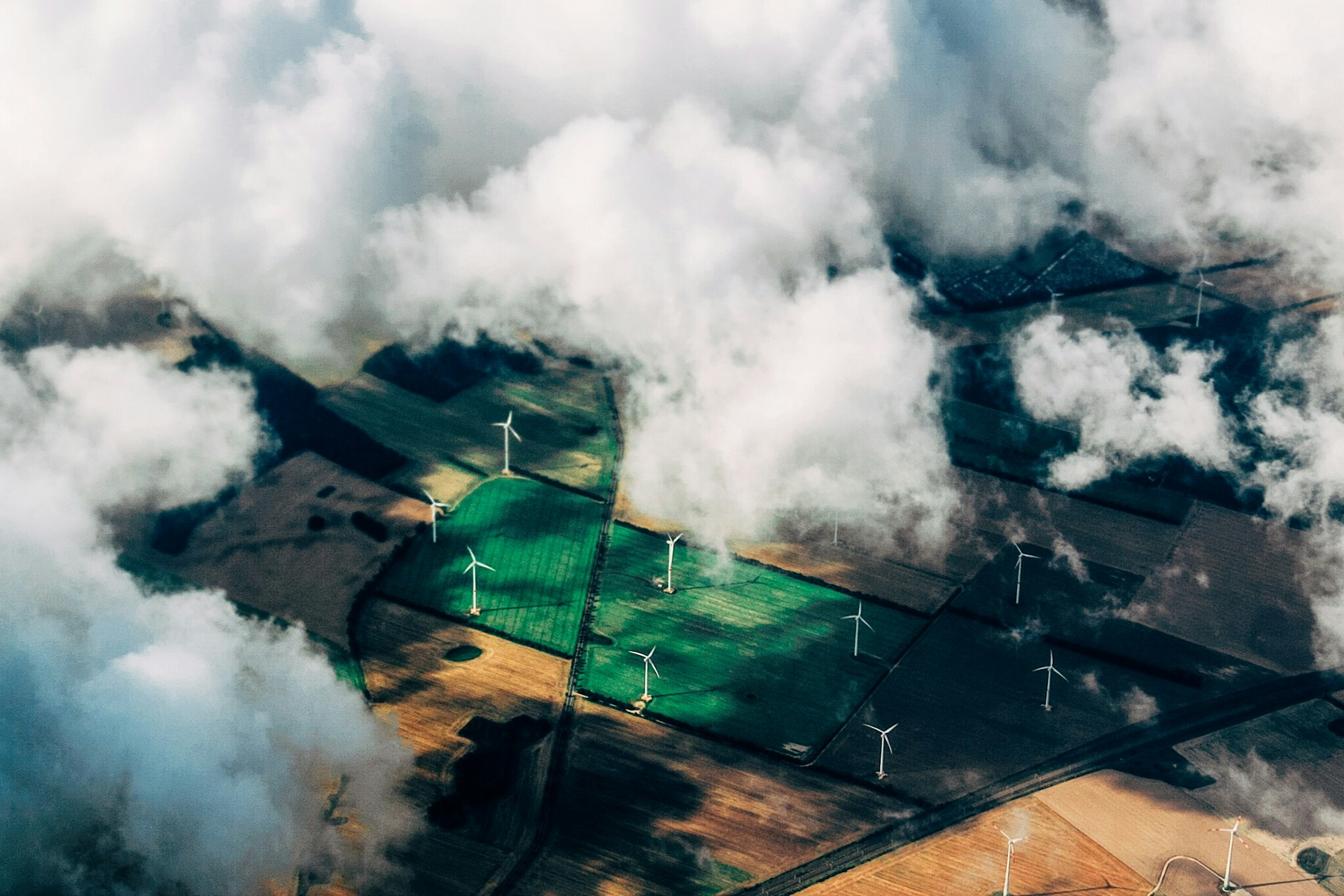
ENOVA has completed the repowering of the Meppen wind farm in Lower Saxony, replacing older turbines with nine Vestas V172 machines in the largest repowering project in the company’s history.
The new wind farm has a capacity of 64.8MW. Each Vestas V172 turbine has a 172-metre rotor diameter, a 175-metre hub height, and a total height of 261 metres, placing the machines among the largest onshore turbines currently being installed in Germany. The modernised site is expected to generate around 163 million kWh per year.
The project replaces 14 older turbines installed from 2002 onwards. ENOVA developed the original Meppen wind farm between 2000 and 2004 and has remained active at the site for more than two decades. Approval for the repowering was granted under Germany’s Federal Immission Control Act in July 2023, with the first dismantling phase beginning in 2024.
By reducing turbine numbers while increasing output, the project demonstrates the technical case for repowering mature onshore wind sites. Larger rotors, taller towers, more advanced controls, and higher generator ratings allow modern turbines to extract more energy from established wind areas. Higher production can therefore be delivered from fewer machines, although grid connection, visual impact, access, transport, and planning requirements all change.
The Meppen scheme also includes local participation. Landowners and operators of the existing turbines were given the opportunity to participate in the new wind farm, while local residents can invest through subordinated loans. The town of Meppen is expected to receive electricity revenue under Section 6 of Germany’s Renewable Energy Sources Act, alongside trade tax revenues and community funding linked to lease payments.
Repowering is becoming a larger part of Germany’s onshore wind strategy because many early-generation wind farms occupy strong wind locations but use machines with lower hub heights, smaller rotors, and lower capacity factors than current technology. Replacing those assets can increase annual output without relying entirely on new greenfield sites, although planning, grid connection, land rights, local acceptance, and wildlife constraints still shape each project.
The grid-facing detail of wind project delivery is visible in the UK as well as Germany. At Pencloe Wind Farm, electrical works included switchgear, high-voltage cabling, protection, control, SCADA, earthing, testing, and commissioning. Repowering projects require similar electrical disciplines, with the added difficulty of working around existing assets and staged decommissioning.
At Meppen, the new turbines create a different operating and grid profile from the original machines. Higher output changes transformer loading, cable requirements, protection settings, reactive power control, grid-code compliance, and communications. Civil works also become more demanding, with larger components requiring suitable access routes, crane pads, foundations, and transport logistics.
Repowering can also improve system value. Higher output from known wind sites can strengthen renewable generation without opening new development areas, while modern controls can improve operational flexibility, fault response, and asset monitoring. The electrical system must still be able to accept the increased capacity, and network reinforcement or connection upgrades can become a limiting factor.
The expected annual generation of around 163 million kWh represents roughly four times the output of the older turbine fleet at the site. Installed wind capacity figures often understate the value of repowering because the same land area can deliver a much higher energy yield after modernisation.
Germany’s onshore wind sector still faces permitting and delivery constraints, but Meppen shows how established sites can be developed into higher-output assets where land agreements, local structures, and grid connections can be adapted. Repowering will not remove the need for new wind areas, but it can raise renewable output from sites that already form part of the electricity landscape.
Further project information is available from ENOVA’s Meppen project update.

