
Storage
—
-
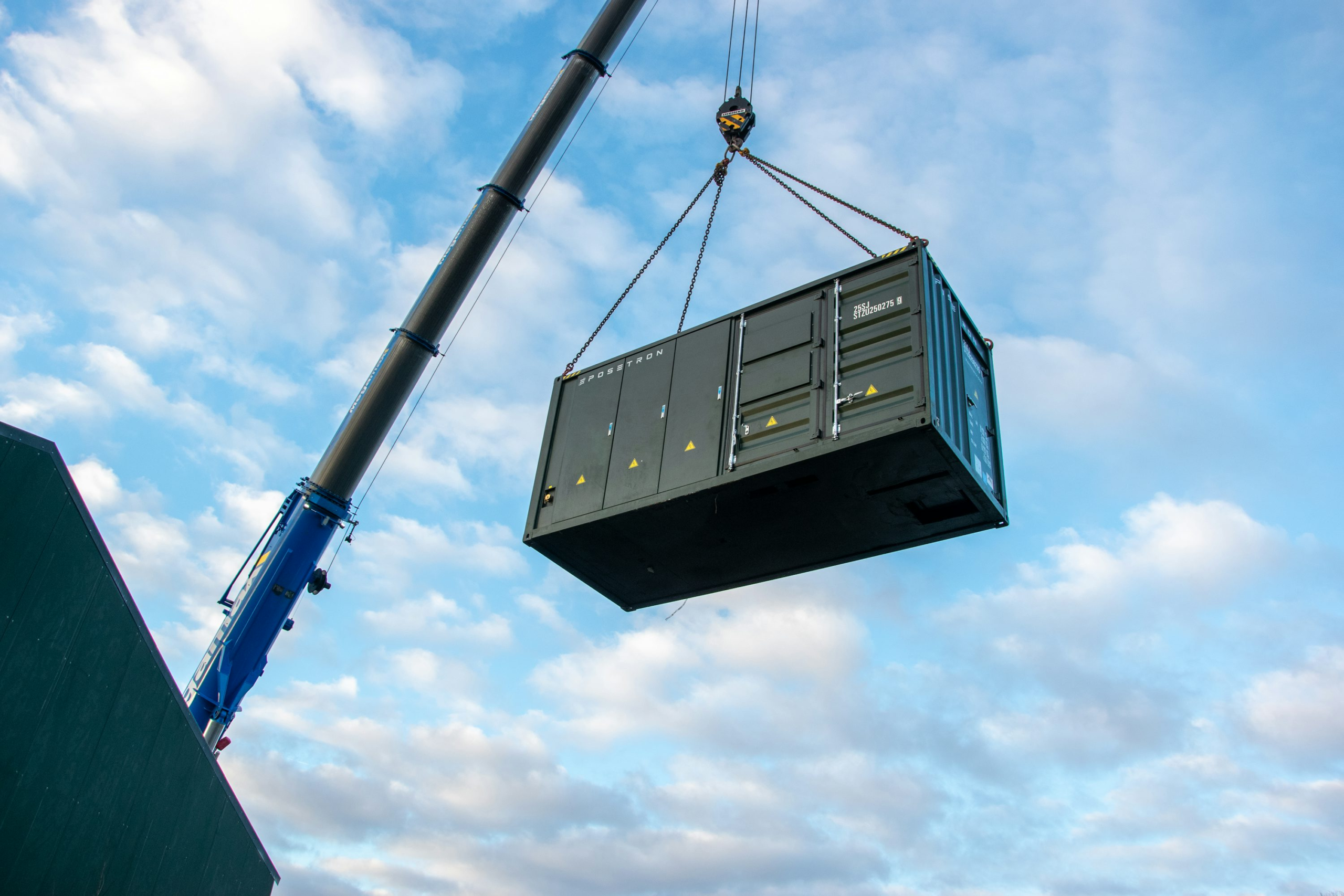
Sicilian authorities have authorised Pacifico’s eight-hour battery project in Butera. The 40MW/320MWh system is intended to provide several grid services.
-
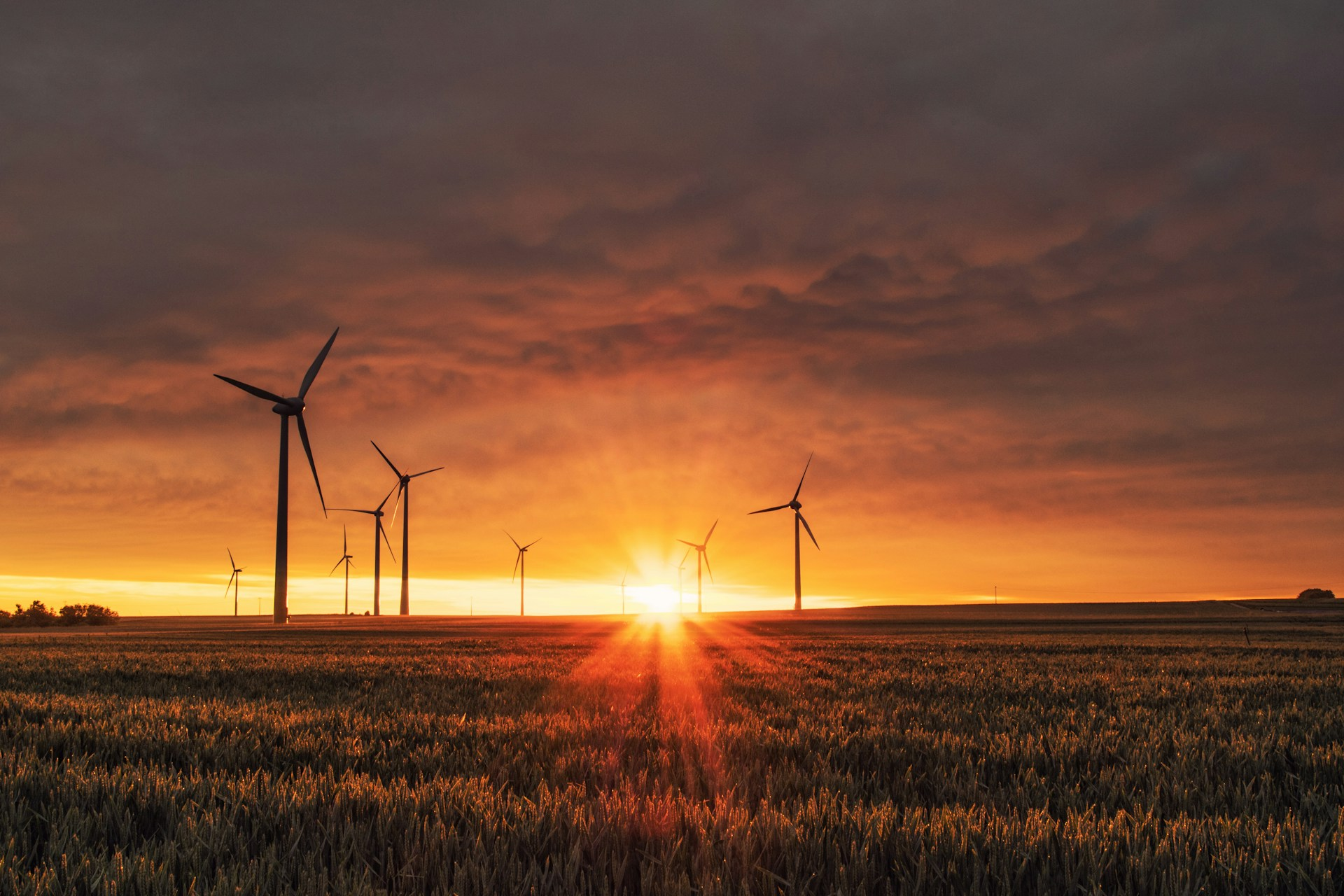
Utilitas has started building Latvia’s 117MW Lode wind farm project. A 60MW/240MWh battery will provide four hours of storage beside the turbines.
-
Centrica will optimise Zelestra’s three-hour Hilgermissen battery across German markets. The 99MW/297MWh project is scheduled to enter operation during the second half of 2028.
-
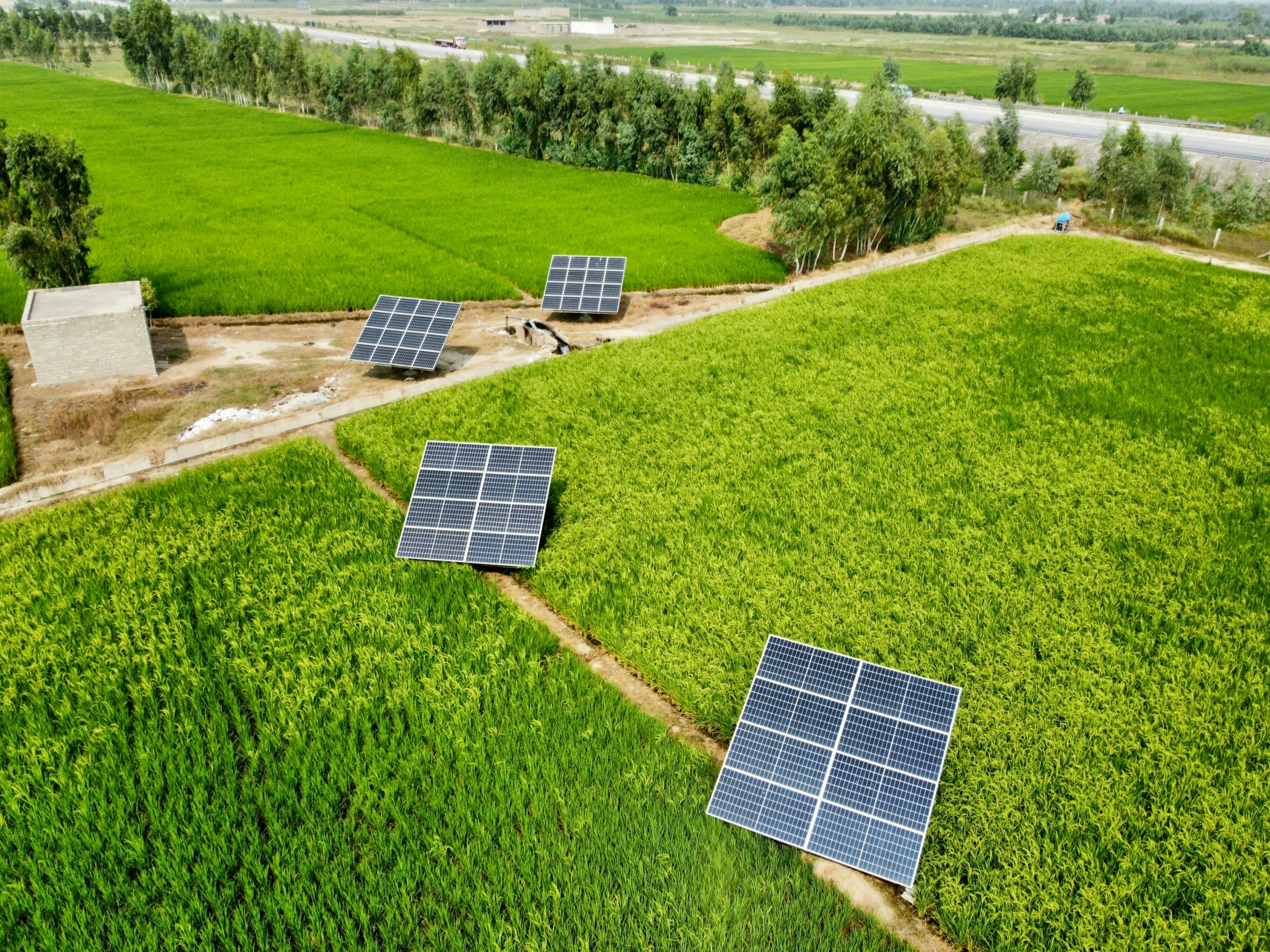
ContourGlobal has started building a Chilean solar-storage hybrid energy project. Los Maitenes combines 131MWp of photovoltaics with a four-hour, 360MWh battery system.
-
India’s power regulator has proposed broader transmission waivers for storage. The draft covers integrated batteries, delayed renewable projects, charging-source accounting, and connections using both central and state transmission networks.
-
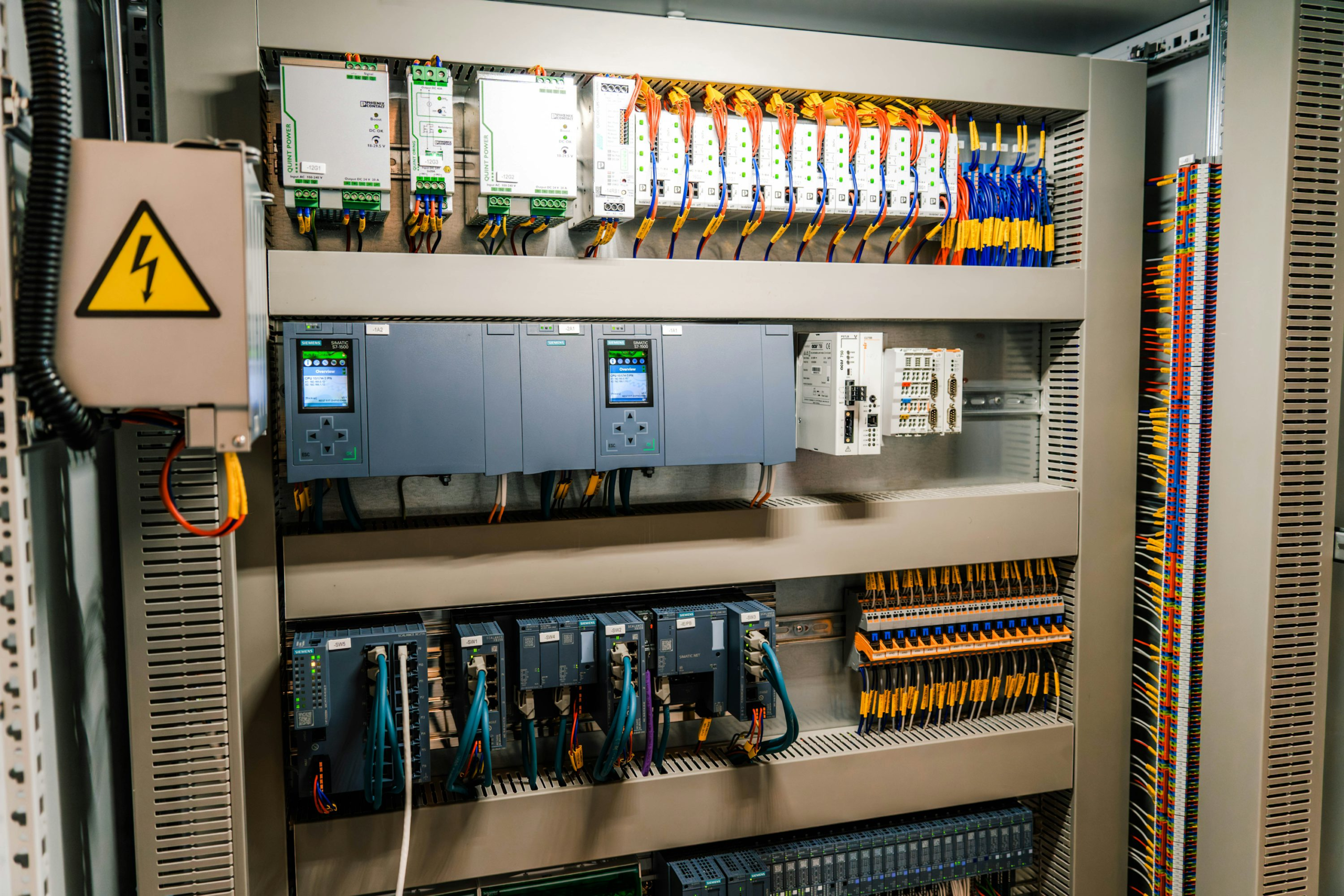
Invinity’s operating batteries have now dispatched ten gigawatt-hours for customers. The total increased 85% over the past year, adding operational evidence across the company’s global vanadium flow battery fleet.
-
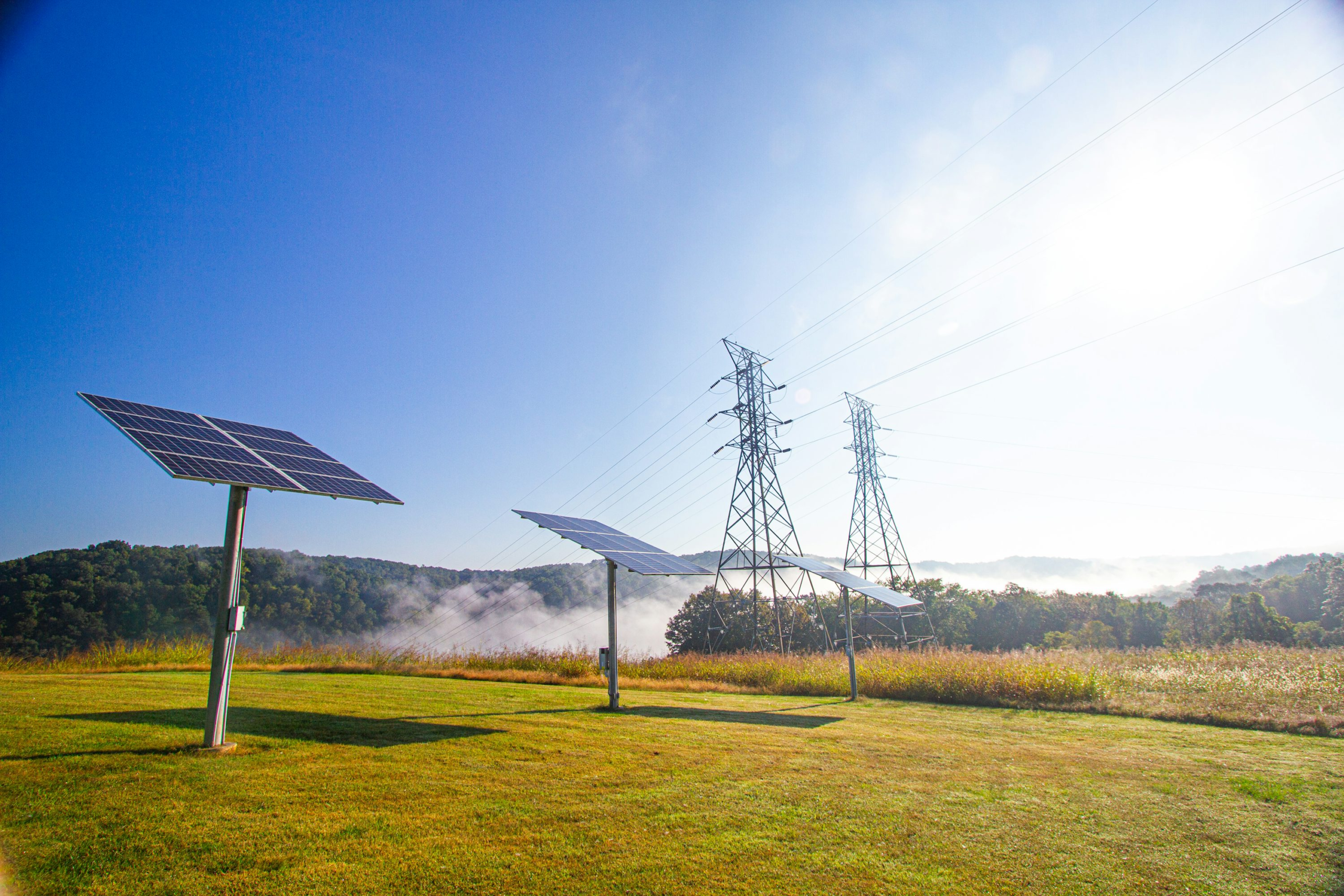
CNTE has supplied a 41.7MWh battery system in northern Czechia. The 37.95MW/41.7MWh installation pairs with 42.7MW of solar for frequency response, balancing, and short-duration energy shifting.
-
Ore Energy has raised $43 million for long-duration iron-air storage. The proceeds will fund its first factory and support a target of gigawatt-hour production in 2028.
-
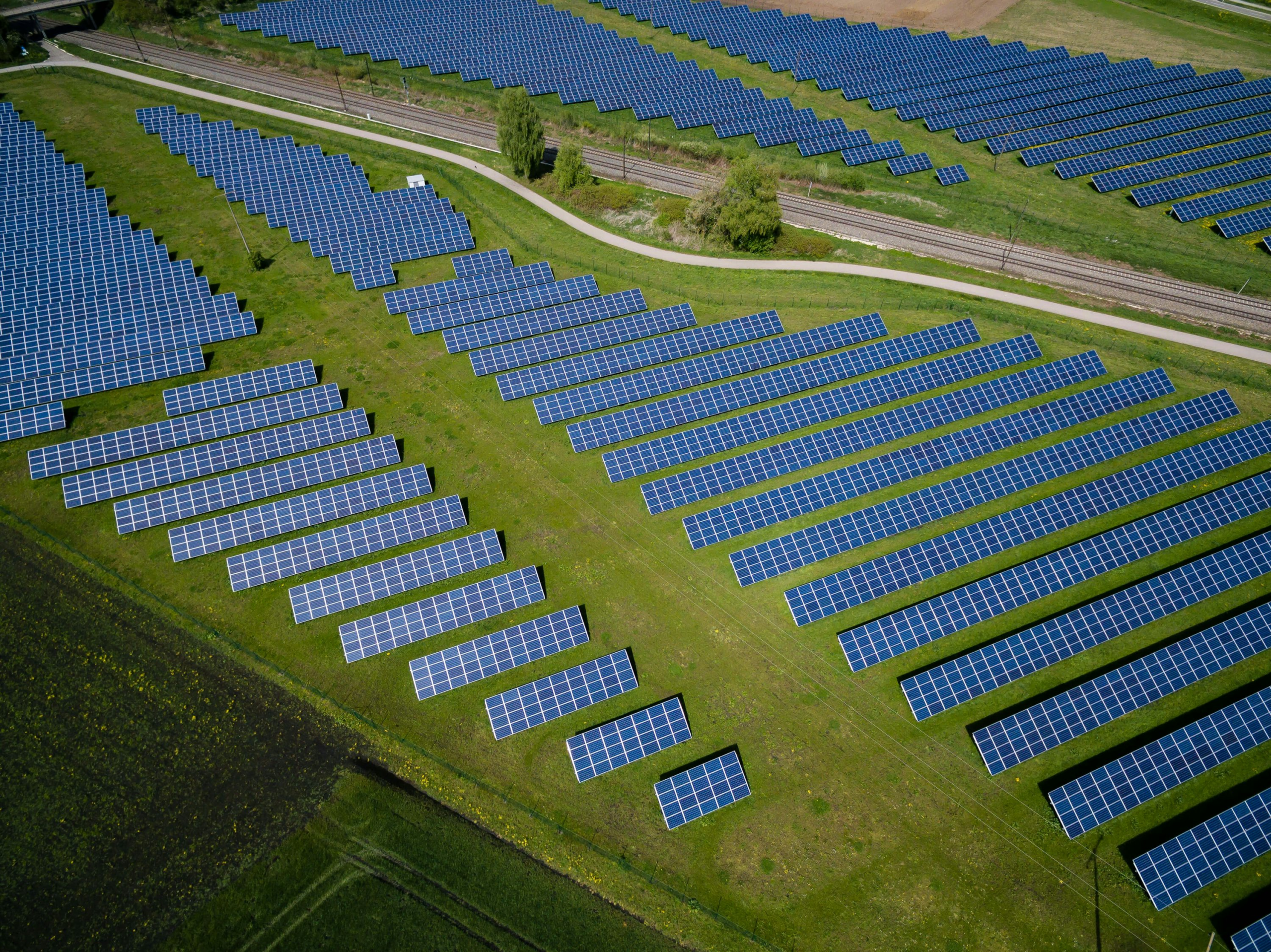
Sonnedix has closed €730 million across four European renewable markets. The package covers around 540MW of solar assets and two battery systems, combining refinancing, optimisation, and construction funding.
-
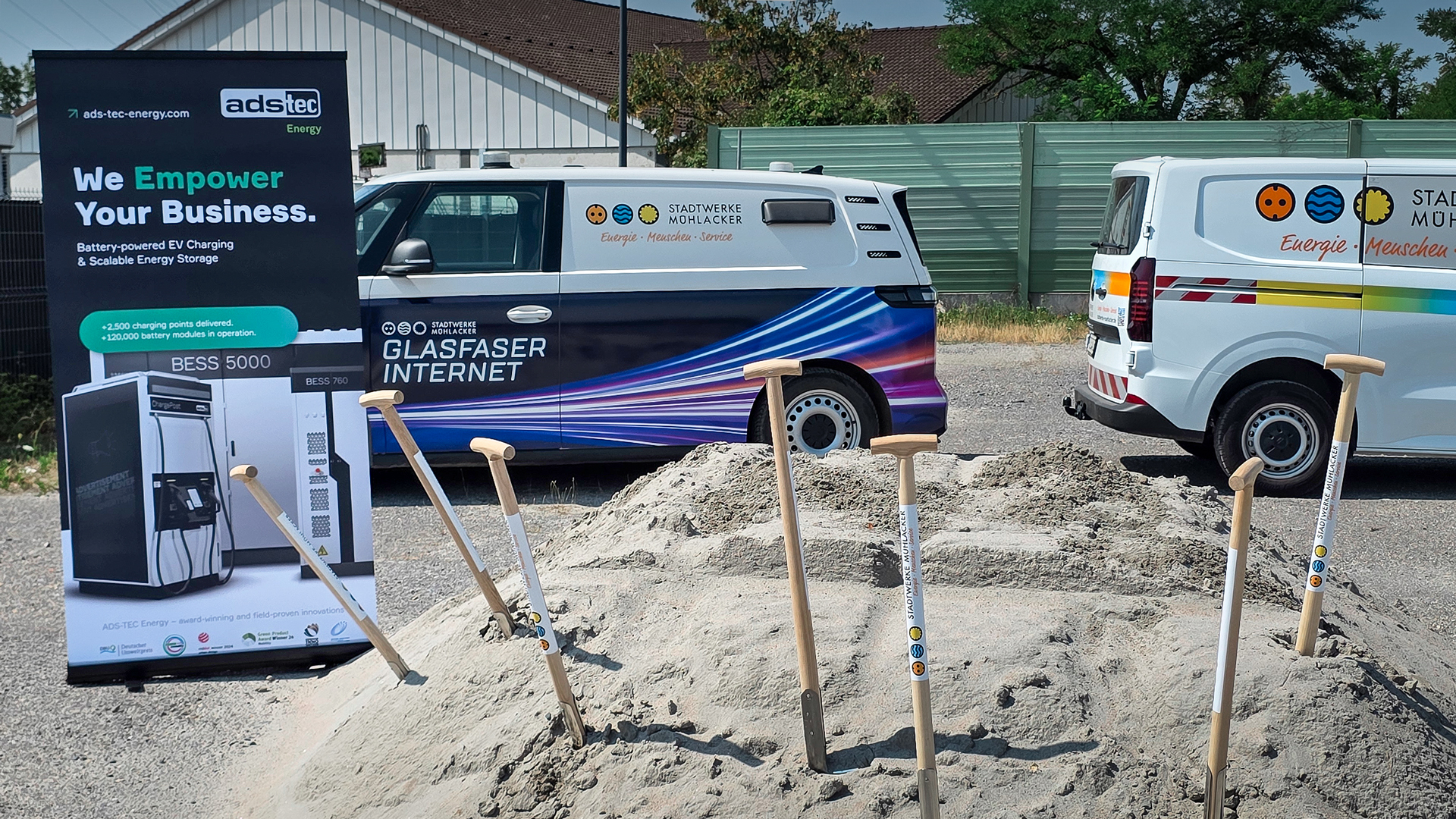
ADS-TEC has started building Mühlacker’s first large-scale battery storage system. The 10MW/20MWh installation will support peak shaving, time shifting, and local grid stability from October.