
IN Brief:
- Enedis activated its FIRE rapid electricity intervention force during an extreme heatwave in France.
- More than 1,000 technicians were mobilised after outages affected around 50,000 customers.
- Thermal stress on underground distribution cables remains a key operational risk during prolonged hot weather.
Enedis activated its Force d’intervention rapide électricité during a severe heatwave in France, mobilising more than 1,000 technicians from the network operator and partner companies after outages affected around 50,000 customers.
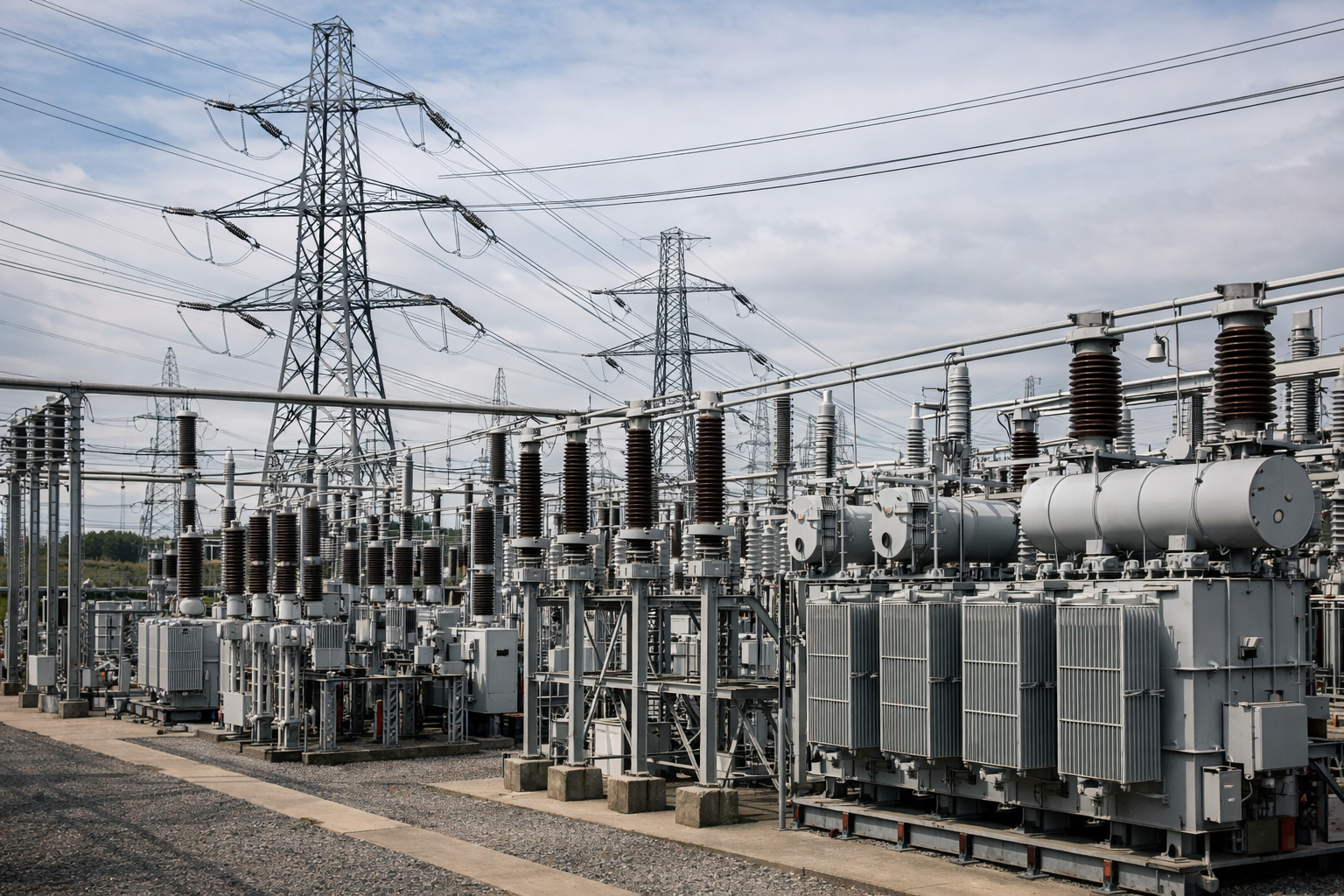
The activation came as high temperatures placed distribution infrastructure under sustained thermal stress. On 25 June at 7pm, Enedis reported multiple outages across the network, with the Yvelines department experiencing the largest concentration after an incident at a source substation.
Yvelines recorded 33,000 customers affected, while Hauts-de-Seine recorded 7,400 and Gironde recorded 5,700. Mobile generators were dispatched to the Yvelines in coordination with local authorities, providing temporary power support while restoration work continued.
Some disruption was also reported in Paris, although those issues were resolved quickly and had no significant effect on users. The wider response remained focused on restoration, fault isolation, temporary supply arrangements, and the management of heat-related risk across the distribution system.
The FIRE mechanism was created after the storms of 1999 to structure rapid mobilisation during major weather events affecting electricity networks. It was first used during a heatwave in 2003, extending the model beyond storm response and into the management of thermal stress on distribution infrastructure.
Enedis identified underground heat as an aggravating factor. In dense urban areas, distribution cables are commonly buried below roads, pavements, ducts, and other hard surfaces. During prolonged heat, those surfaces retain warmth and reduce the ability of cables to dissipate heat into their surroundings.
When high daytime temperatures are followed by warm nights, underground conditions can remain elevated for several days. Cable ratings, joint performance, insulation ageing, and fault probability are affected by that thermal environment, especially where demand remains high and asset headroom is reduced.
Remote switching formed part of the restoration response. Distribution networks can often be reconfigured to restore supply temporarily while damaged sections are isolated and repaired. That reduces outage duration where network topology allows, although complex faults still require field intervention, fault location, excavation, repair, testing, and safe re-energisation.
The French event reflects a broader change in network operations across Europe. Distribution systems are being exposed to a wider range of weather-related stresses, including storms, floods, wildfires, drought, and heatwaves. Each affects infrastructure differently, but all increase the need for operational readiness, spare equipment, field capacity, and better network visibility.
Heat is particularly challenging because it can affect demand and asset performance at the same time. Cooling load can rise while cable, transformer, and substation ratings become more constrained. Field crews also face more difficult working conditions, especially during excavation, jointing, and emergency repair work on urban streets.
Britain has already seen seasonal risk assumptions change at transmission level, with a summer electricity margin notice from NESO showing how tight operating conditions can emerge outside the traditional winter peak-risk period. Distribution networks face a parallel problem at local level, where summer heat, cooling demand, EV charging, and distributed generation alter the stresses placed on low- and medium-voltage assets.
Underground distribution systems are often treated as more resilient because they are less exposed to wind and falling trees than overhead lines. Heatwaves expose a different vulnerability. Cables depend on thermal transfer into surrounding soil, ducts, or roadbed material, and that transfer varies with ground condition, cable grouping, loading pattern, and surface temperature.
Network automation can reduce the customer impact of faults, but it does not remove the physical constraints. Remote switching, smart fault indicators, grid sensors, and distribution management systems improve visibility and response speed. The underlying asset still needs to withstand the combined effect of load current and environmental temperature.
The scale of the Enedis mobilisation also shows how resilience depends on human and logistical capacity. Large restoration events require control-room coordination, field engineers, switching operations, mobile generation, civil works, spare parts, safety management, and communication with local authorities. Digital systems can accelerate diagnosis and switching decisions, but physical repair work remains labour- and equipment-intensive.
As electrification grows, distribution networks will be asked to support more heat pumps, EV charging, commercial electrification, distributed generation, and cooling demand. Much of that additional load will sit on networks built over many decades, with cable routes, transformer ratings, and substation footprints that may not match future operating conditions.
Heatwave response is therefore becoming part of mainstream distribution planning. Reinforcement, monitoring, automation, thermal modelling, asset replacement, and emergency resource planning all need to account for environmental stress that lasts for days rather than minutes. The French mobilisation underlines how summer resilience is now a core electrical engineering requirement, not an exceptional weather footnote.

