IN Brief:
- EnBW has begun construction of a 100MWh battery storage system at its Marbach power plant site in southern Germany.
- The project combines LFP battery cabinets, a new medium-voltage switchgear building, and an existing site already used for grid-stability operations.
- The scheme adds to a wider European pattern of utilities redeveloping existing power sites into storage and flexibility assets.
EnBW has started construction of a large-scale battery storage system at its Marbach power plant site, adding another major flexibility asset to southern Germany’s evolving power system. The battery is planned at 100MWh and is due to enter service at the end of 2026. EnBW says the project will be one of the largest battery storage systems in southern Germany and will connect into the transmission network operated by TransnetBW.
The Marbach project is being developed at an established energy site where EnBW already operates grid-stabilisation infrastructure for TransnetBW. The battery will sit alongside existing assets used to support system stability and will make use of the site’s electrical role and infrastructure rather than being built as a standalone greenfield scheme. Earlier project material from EnBW for Marbach sets the installation at 100MW output as well as 100MWh of storage capacity, placing it in the class of fast-response grid assets intended to provide both balancing capability and wider system support.
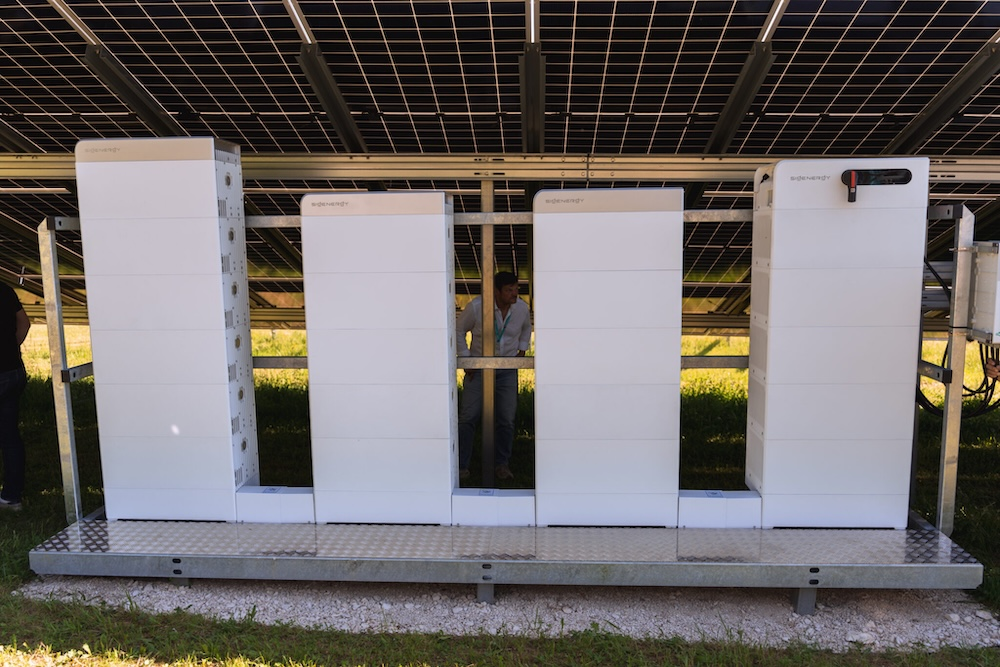
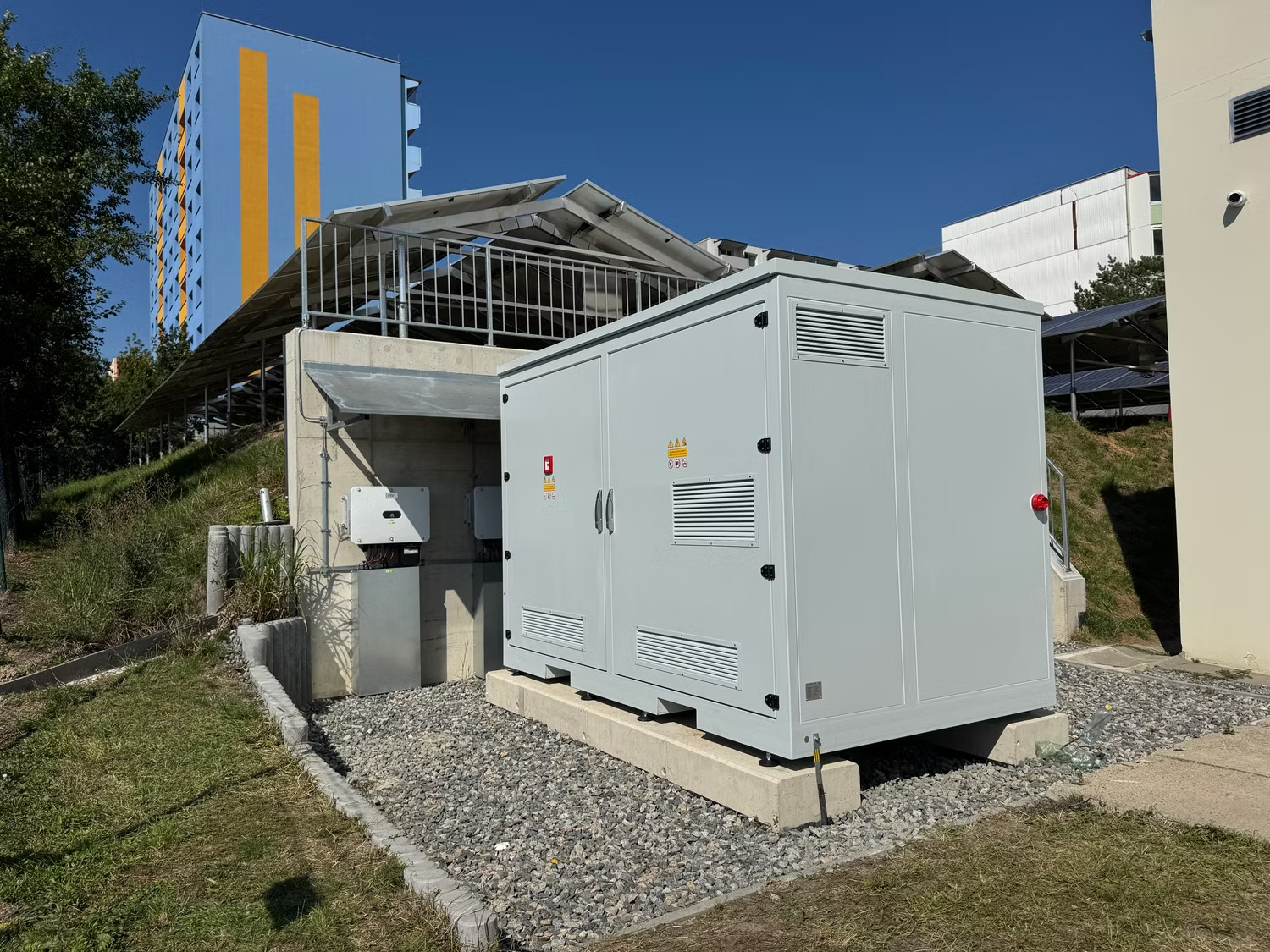
Construction details released by the company indicate the scale of the installation. Ground preparation is under way, including vibro stone column works to improve the bearing capacity needed for the foundations. During the summer, 264 battery cabinets containing around 110,000 lithium iron phosphate cells are due to arrive on site. EnBW says a new medium-voltage switchgear installation will also be built in a dedicated building. The use of LFP chemistry reflects a technology choice increasingly seen in utility-scale battery projects, where cycle life, thermal behaviour, and safety characteristics weigh heavily in project design.
Marbach forms part of a larger storage programme within EnBW’s generation and infrastructure portfolio. The company says it currently operates 20 battery systems with more than 100MWh of installed capacity and is developing or already building a further 1,800MWh of storage. EnBW also says new solar park projects now routinely include batteries, while other large storage developments are progressing elsewhere in its portfolio. That points to a wider shift in utility planning, with batteries moving from marginal ancillary assets into mainstream generation, balancing, and site-redevelopment strategies.
The Marbach scheme also illustrates how existing power sites are being repurposed for storage. Reusing established sites can simplify parts of the delivery process, particularly where land use, grid access, and control-room integration are already in place. It can also bring storage closer to the parts of the system where flexibility is most valuable, especially when transmission constraints, renewable variability, and local balancing needs are intensifying. Brownfield deployment has therefore become an increasingly common route for grid batteries across Europe.
Southern Germany remains a logical location for that build-out. The region is managing a changing generation mix, pressure on transmission corridors, and a continuing need for fast-response assets that can support voltage, frequency, and short-term balancing as conventional plant retires or is reconfigured. EnBW’s own positioning of the Marbach battery alongside other grid-support infrastructure reflects the increasingly hybrid character of modern power sites, where storage, grid services, and dispatchable plant operate as part of the same system architecture rather than in isolation.
The project is due online at the end of 2026 and will provide another indication of how quickly utilities can convert existing power infrastructure into large-scale storage. If the current deployment pattern continues, the reuse of legacy generation sites for batteries is likely to become a more established part of Europe’s power network development over the coming years.