
EVs and charging
—
-
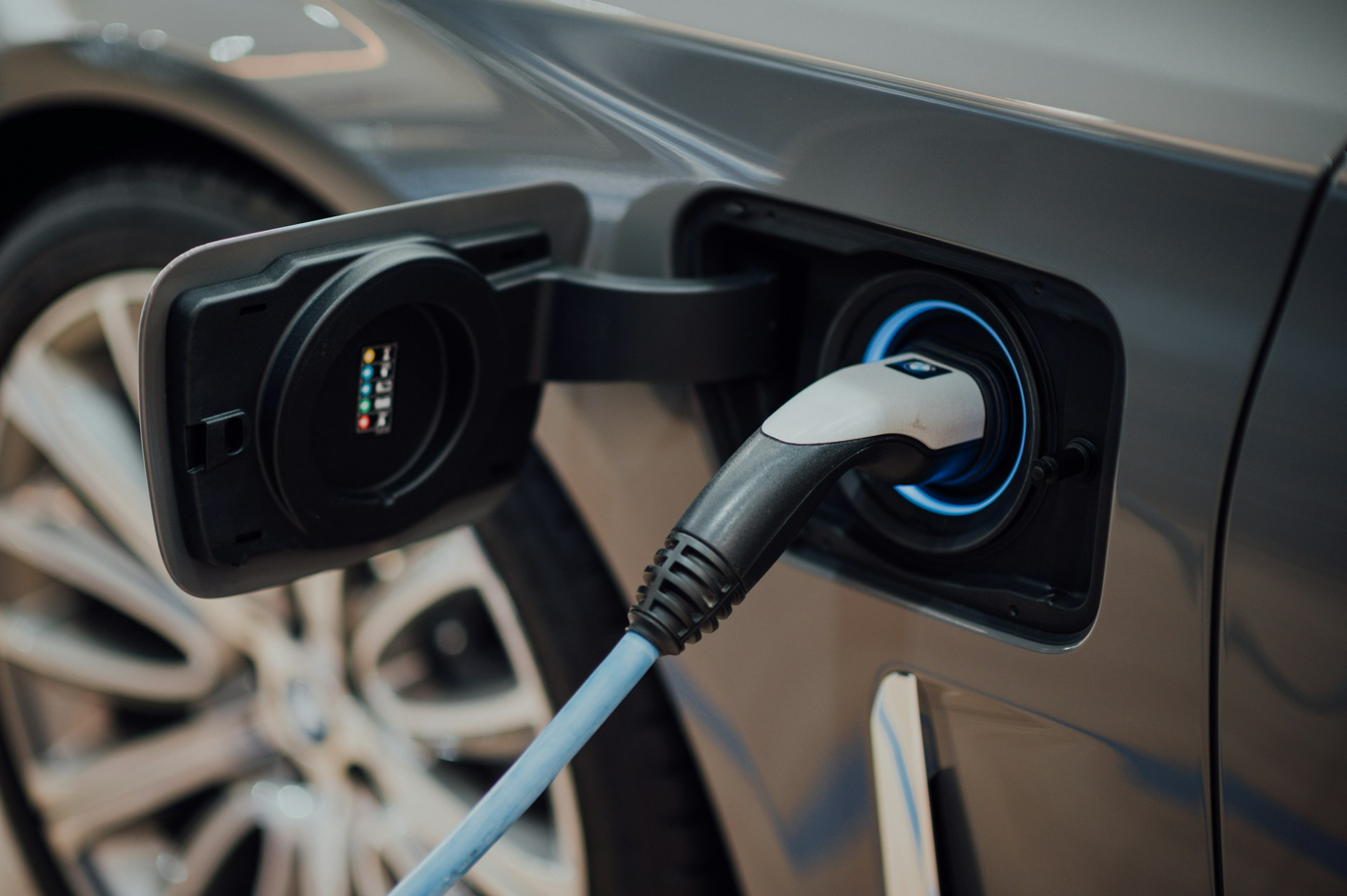
Smart charging could cut Europe’s EV-related grid investment by €10.6bn. Siemens modelling across 64 urban centres still identifies €14.1bn of physical reinforcement by 2030 even with intelligent load management.
-
Lidl will invest £10m expanding rapid chargers at British stores. Around 100 new units are planned at existing locations this financial year, alongside charging at most newly built stores.
-
Motorway charging grants failed to fund any electricity network upgrades. A new DfT evaluation says risk allocation, long investment horizons, grid processes, and planning constraints undermined the £70m pilot.
-
Osprey has launched Autocharge across its nationwide UK rapid-charging network. Dynamic pricing is also being extended across the network through the operator’s in-house Iris software.
-
ev.energy has already enrolled 10,000 flexible charging assets across Britain. Charge & Earn shifts eligible EV charging while retaining driver requirements and distributes market value to participants and partners.
-
Zest will install ultra-rapid chargers at nine Midlands Co-op stores. The operator will fund and run the infrastructure under a multi-year agreement.
-
Britain’s public EV charging network reached 121,171 chargers in July. Almost 29,000 were rated at 50kW or above, while regional figures continue to show sharply different infrastructure mixes.
-
Ubitricity and Deftpower are scaling Dutch public smart charging deployment. OCPI 2.2.1 Charging Profiles will manage sessions at 1,500 chargepoints without requiring direct vehicle API integration.
-
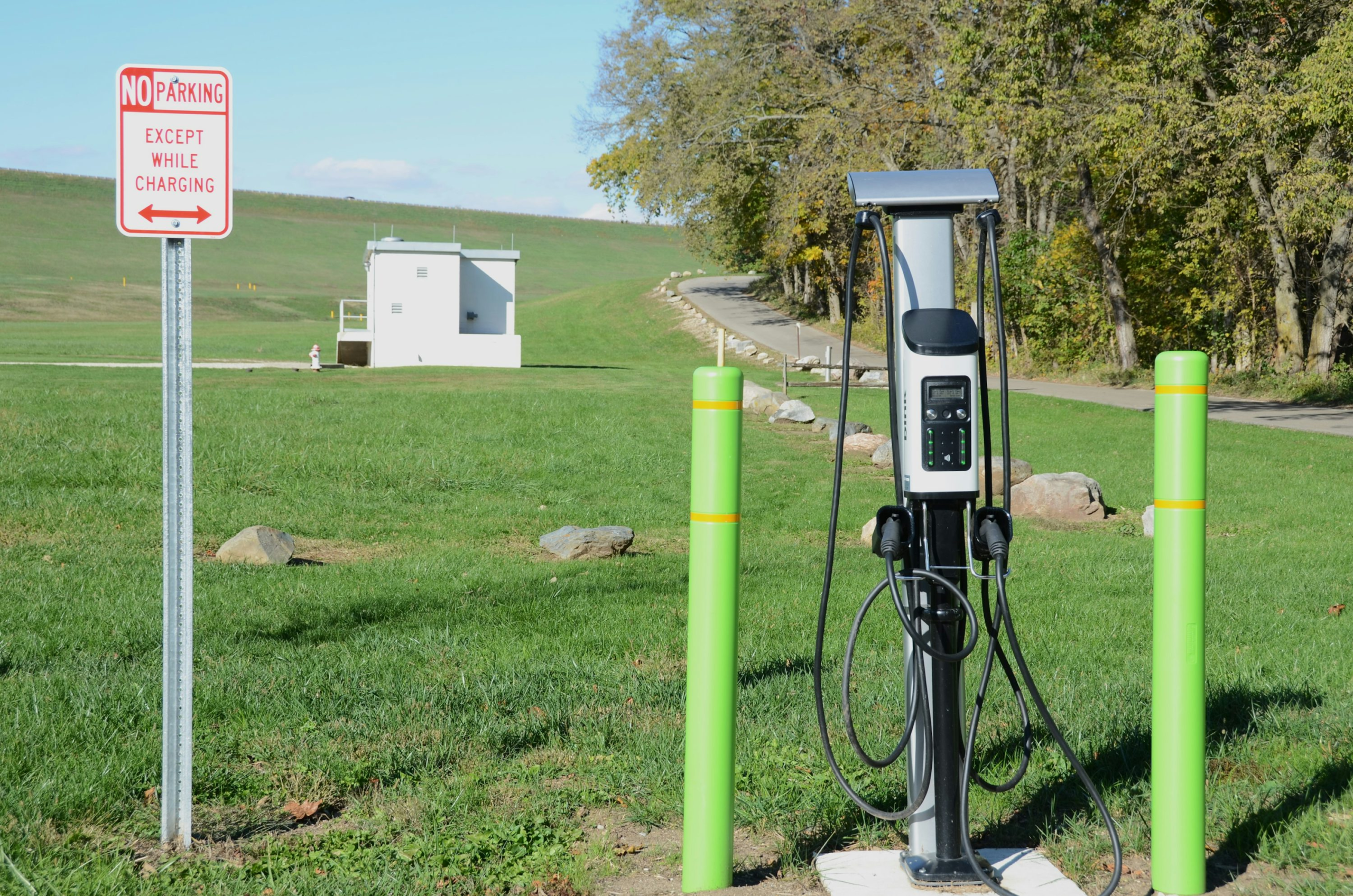
PG&E expands bidirectional charging programme across more vehicles and partners. New approved combinations widen access to home backup, flexible charging, and controlled grid export through electric-vehicle batteries.
-

Beam Global has reported stronger second-quarter clean-infrastructure revenue growth figures. Revenue reached $8.6 million as its product mix broadened across charging, storage, batteries, robotics, defence, and smart-city infrastructure.