IN Brief:
- Egni Co-op has secured almost £1.4m from the Development Bank of Wales.
- The funding will support around 2MW of rooftop solar across schools and public buildings.
- The programme is expected to generate 1.9GWh annually, with 65% used on site.
Egni Co-op has secured almost £1.4m from the Development Bank of Wales to deliver around 2MW of new community-owned rooftop solar projects across Wales.
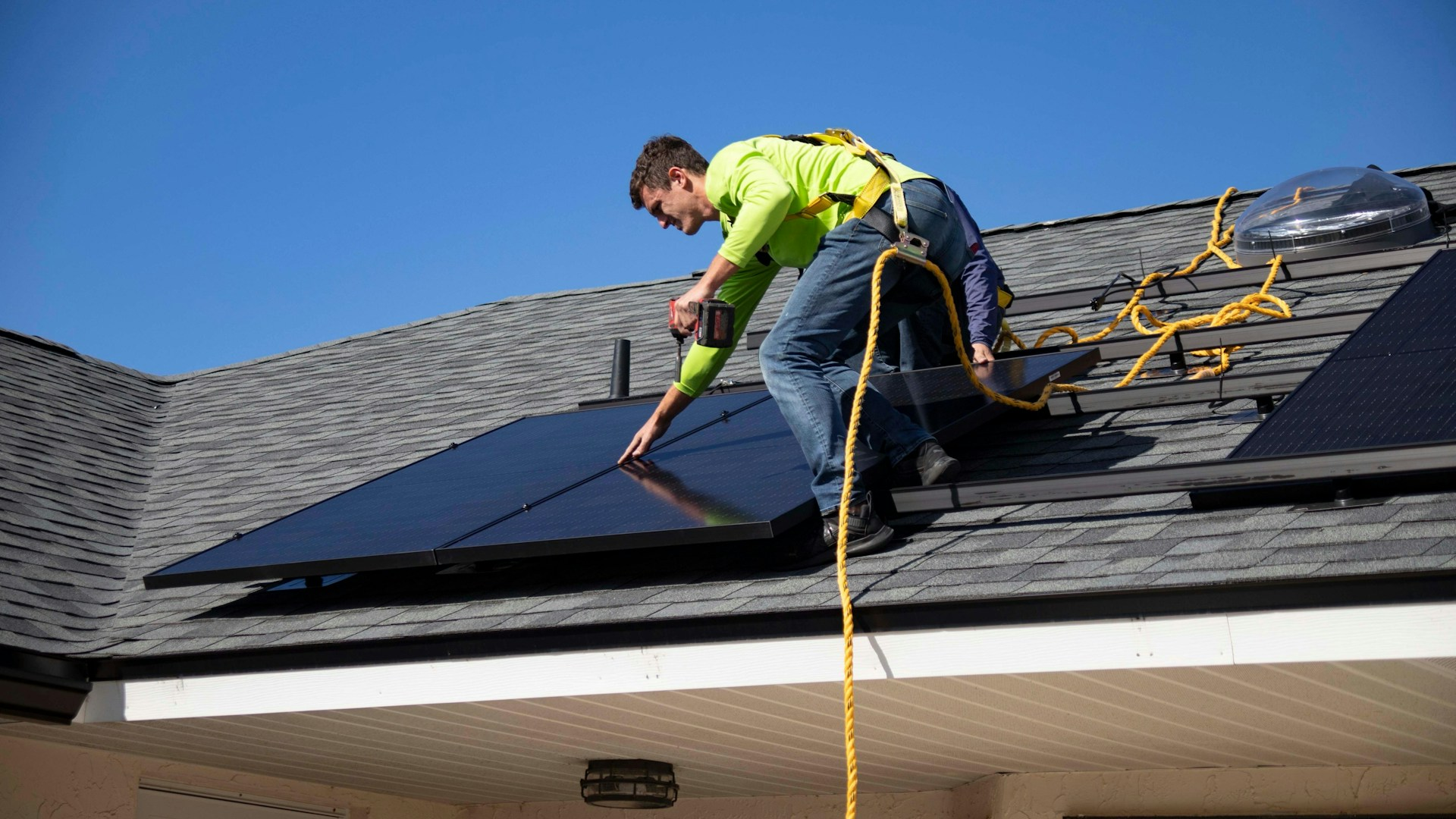
The investment comes through the Local Energy Fund, a Welsh Government-backed programme managed by the Development Bank of Wales. It will support the construction and commissioning of rooftop solar photovoltaic installations on schools and public buildings, with Welsh-based contractors and suppliers expected to support delivery.
The new installations are expected to generate approximately 1.9GWh of renewable electricity each year, with around 65% consumed directly on site by host buildings. Over the lifetime of the assets, the programme is expected to reduce carbon dioxide emissions by approximately 4,500 tonnes.
Egni Co-op was established and is managed by Awel Aman Tawe. It has already installed more than 5MWp of rooftop solar across over 100 sites in Wales and has raised more than £5m through community share offers alongside previous Welsh Government and Development Bank support.
The model is built around community ownership and on-site consumption. Public buildings host the arrays, consume a large share of the electricity directly, and reduce exposure to imported grid power. Surpluses from the co-operative structure are reinvested into community and educational activity linked to renewable energy and climate awareness, including support for the Energy Sparks platform used in schools.
Distributed public-sector generation is becoming a larger part of local energy planning. Schools and public buildings often have daytime electricity demand, roof space, and long-term ownership structures that can suit PV deployment. Successful delivery depends on finance, structural suitability, procurement, connection, metering, maintenance, and host-site electricity arrangements being aligned across multiple buildings.
Behind-the-meter generation changes how energy savings are captured. The strongest benefit comes where a large share of generation is used on site rather than exported. Egni’s expected 65% on-site consumption rate indicates that the programme is being matched to building load rather than designed only around headline installed capacity.
Electrical delivery will involve roof surveys, mounting systems, DC cabling, inverters, AC connections, protection, isolation, monitoring, metering, commissioning, and grid notification or approval processes. Schools and public buildings also bring practical constraints around working hours, safeguarding, roof access, asbestos checks, fire strategy, and long-term maintenance access.
The funding arrives while the UK is revisiting smaller-scale solar regulation and public-sector deployment. Proposed changes around plug-in solar are broadening the debate beyond conventional rooftop PV into new product categories, while community rooftop schemes remain tied to established installation, connection, and safety requirements. Across both areas, distributed generation is pushing more electrical equipment closer to everyday building infrastructure.
For Wales, the scheme fits into a wider community energy strategy. Welsh Government has promoted locally owned renewable energy through Ynni Cymru and related funding routes, while public-sector decarbonisation targets continue to create demand for practical electricity reduction measures. Rooftop PV will not remove the need for heat decarbonisation, energy efficiency, or grid reinforcement, but it can reduce imported electricity at specific sites and provide a visible route for local participation.
The use of Welsh contractors and suppliers adds another layer. Smaller distributed schemes can support regional installation capacity, especially where programmes are bundled across multiple sites rather than procured one roof at a time. That can create a steadier workload for surveyors, installers, scaffold providers, electrical contractors, and monitoring specialists.
Long-term performance will depend on more than installation. Solar arrays on public buildings need routine inspection, inverter replacement planning, roof maintenance coordination, data monitoring, and clear responsibilities between site owners, the co-operative, and any facilities management teams. Where educational value is part of the model, energy data also needs to be accessible and meaningful for host sites.
Egni’s latest funding strengthens a proven Welsh rooftop solar model built around community ownership, public-sector demand, local contractors, and behind-the-meter generation. The capacity is modest in national grid terms, but the delivery model is practical, repeatable, and closely aligned with public-building electricity use.