IN Brief:
- ECA has linked clean electrification to competence, safety, and energy price reform.
- The trade body says low-carbon technologies must be integrated by qualified electrical professionals.
- Its wider net zero work focuses on building safety standards, installer competence, and system performance.
ECA has said accelerated clean electrification must be delivered with stronger focus on electrical safety, installer competence, and long-term maintenance as low-carbon technologies become more common in homes, businesses, and public infrastructure.
The trade body welcomed the UK government’s continued commitment to clean electrification and energy security, while restating its call for a rebalancing of energy taxation to narrow the gap between gas and electricity prices. ECA has argued for several years that lower electricity costs are needed to support wider adoption of electric heating, transport, solar PV, battery storage, and other low-carbon systems.
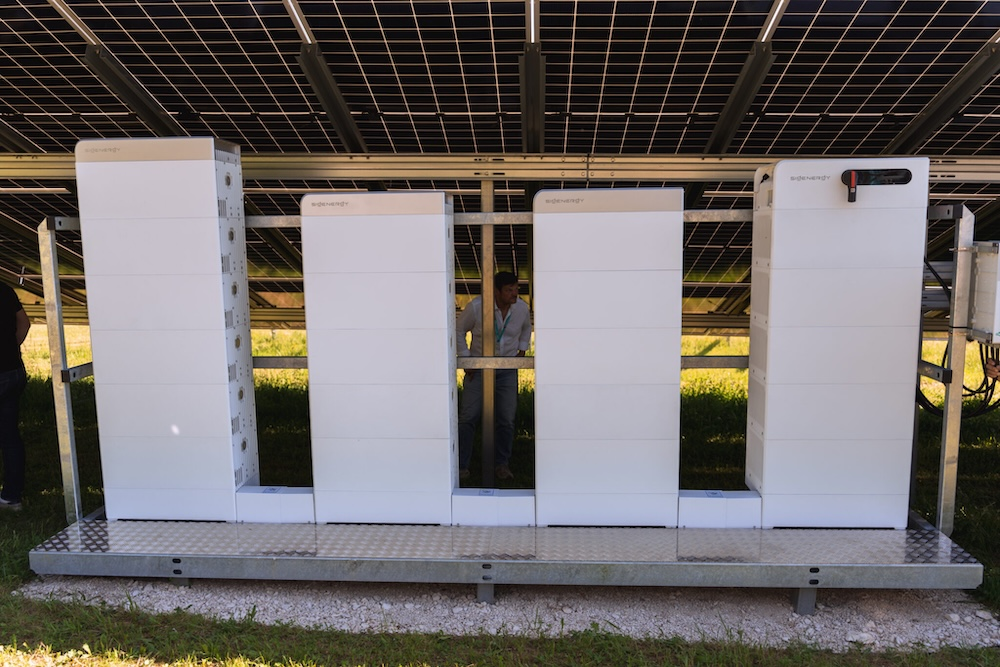
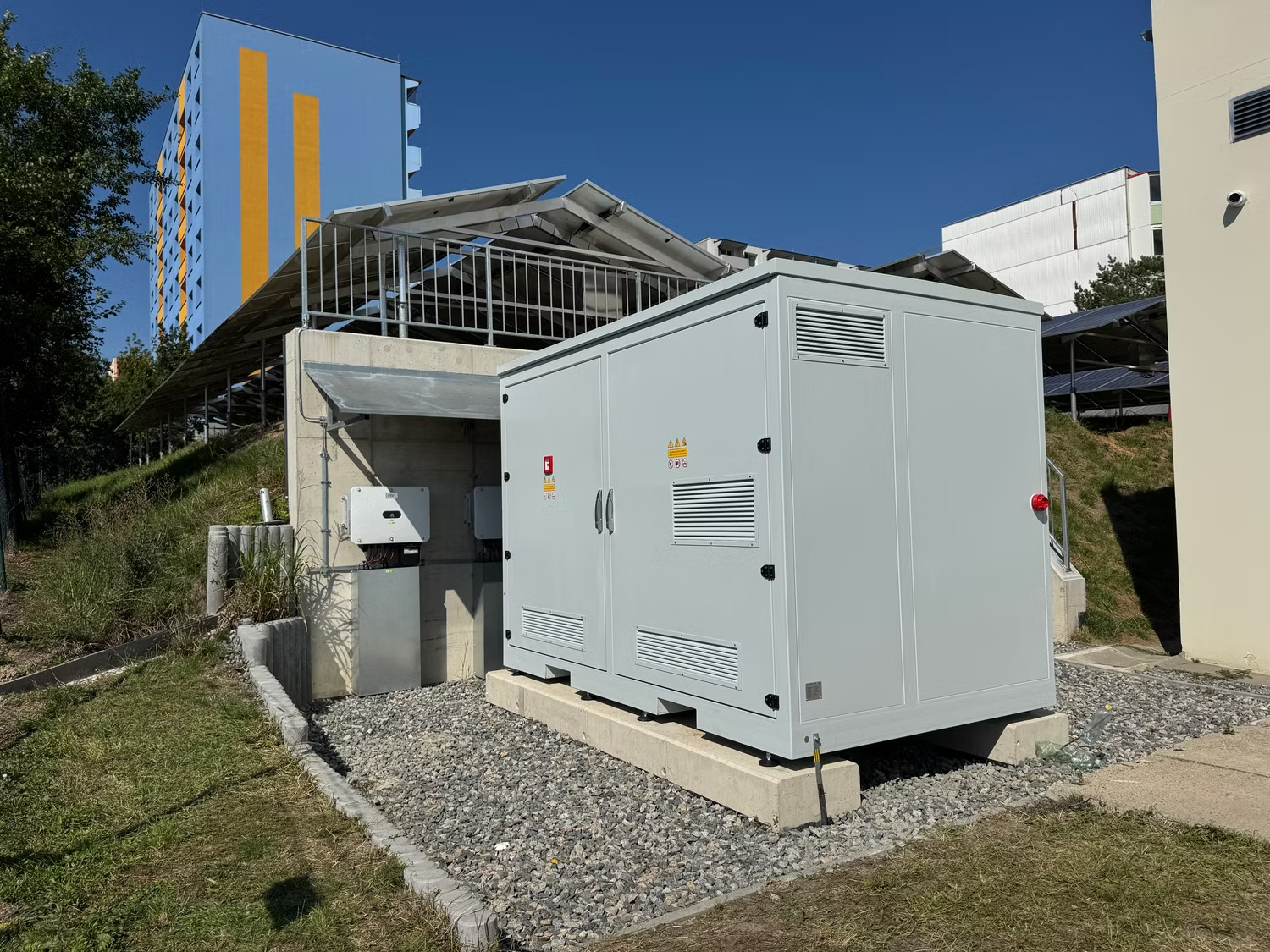
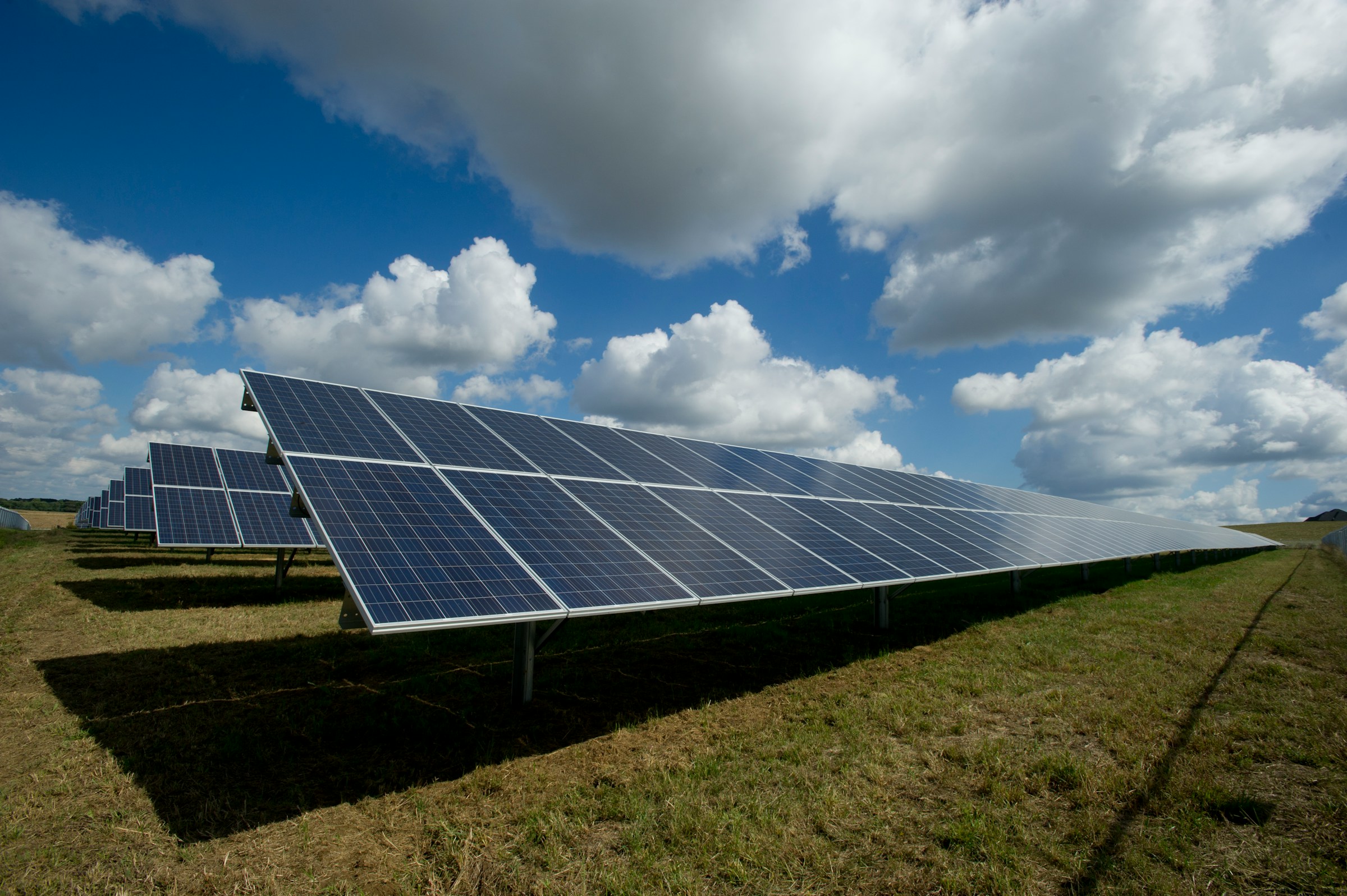
The organisation said rooftop solar, EV charging infrastructure, and measures to support domestic heating are central to the transition, but must be integrated correctly with existing electrical systems. Poor installation, weak regulation, and insufficient competence standards can affect both safety and performance, particularly as more buildings add generation, storage, smart controls, and higher electrical loads.
ECA’s wider Safe Transition to Net Zero programme sets out linked areas of concern, including low-carbon installation standards, independent advice, building safety requirements for new technologies, and the need for ongoing maintenance. The organisation has also continued work on electrical skills, including activity around apprenticeships, regional training, and workforce coordination.
Electrification is turning buildings into more complex electrical environments. Domestic and commercial premises are increasingly expected to support EV charge points, heat pumps, solar PV, battery systems, load management equipment, and smart controls. These additions can change demand profiles, protection requirements, earthing arrangements, consumer unit capacity, and inspection regimes.
The interaction between technologies is becoming a central installation challenge. A building with solar PV, battery storage, heat electrification, and EV charging has different design and operating requirements from one built around conventional lighting, small power, and gas heating. Safe performance depends on correct assessment of existing infrastructure, appropriate circuit design, compliant equipment selection, and coordination between installers, designers, manufacturers, and network operators.
Those requirements will increase as buildings take on a more active role in the energy system. Behind-the-meter assets can support flexibility, reduce peak demand, and improve use of local renewable generation, but only when they are designed, installed, commissioned, and maintained to the right standards. Poorly integrated equipment can create faults, nuisance tripping, overheating risks, degraded performance, and avoidable maintenance problems.
The workforce question remains unresolved. Electrical contractors are being asked to deliver a widening set of low-carbon technologies while the sector continues to face pressure around apprenticeship starts, qualification routes, and skilled labour availability. Upskilling qualified electricians in green technologies is becoming as necessary as attracting new entrants, particularly where installations involve power electronics, energy management systems, data interfaces, and network connection requirements.
Grid capacity also sits behind many installation decisions. EV chargers, heat pumps, and battery systems may be installed at building level, but their cumulative effect is felt across local distribution networks. Load diversity, smart control, demand shifting, and export management will all shape how far electrification can progress without excessive reinforcement.
ECA’s position places competence and safety alongside generation capacity, network investment, and consumer incentives. The transition to cleaner electricity will be delivered through millions of individual installations, each dependent on good electrical design and reliable workmanship. As low-carbon systems become standard building infrastructure, installation quality will be inseparable from energy policy delivery.