IN Brief:
- Decade Energy has raised €22m to scale depot power infrastructure for truck electrification across Europe.
- The company integrates grid access, battery storage, EV charging, solar, and software for logistics depots.
- The funding supports deployment in France and expansion into markets including Germany, the Nordics, and Poland.
Decade Energy has secured €22m in financing to scale depot power infrastructure for electric truck fleets across Europe.
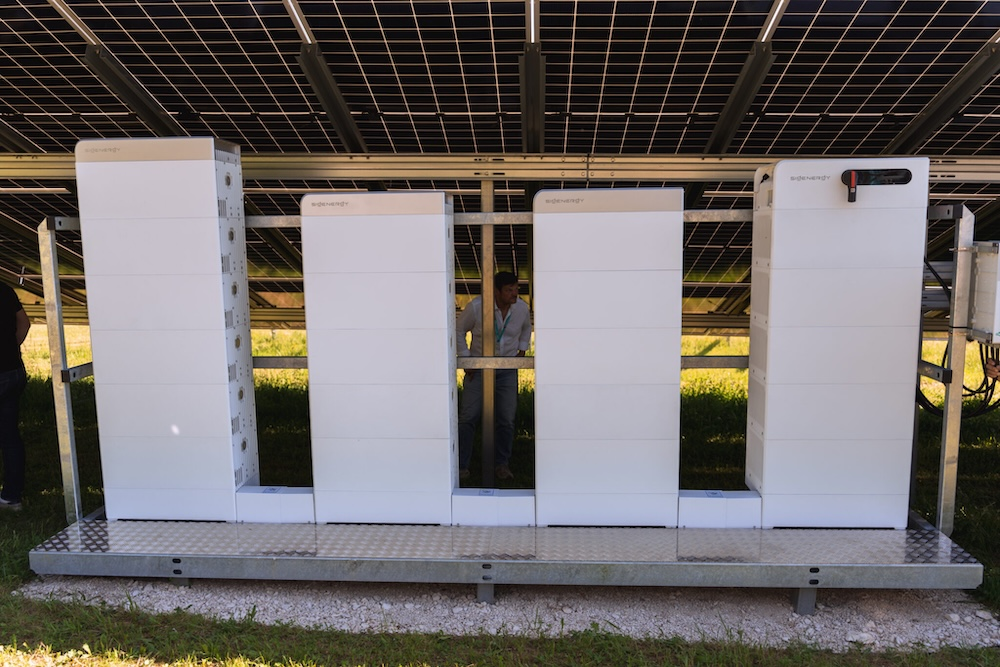
The Paris-based company develops integrated energy systems for logistics depots, combining grid access, battery energy storage systems, EV charging, solar generation, and optimisation software. The financing includes investment from SET Ventures and Eiffel Investment Group, alongside continued backing from existing investors.
The funding will support deployment across France, product expansion, and entry into new European markets. Decade Energy is targeting depot operators and logistics fleets that need high-capacity charging infrastructure but face grid constraints, upfront capital requirements, and complex site energy planning.
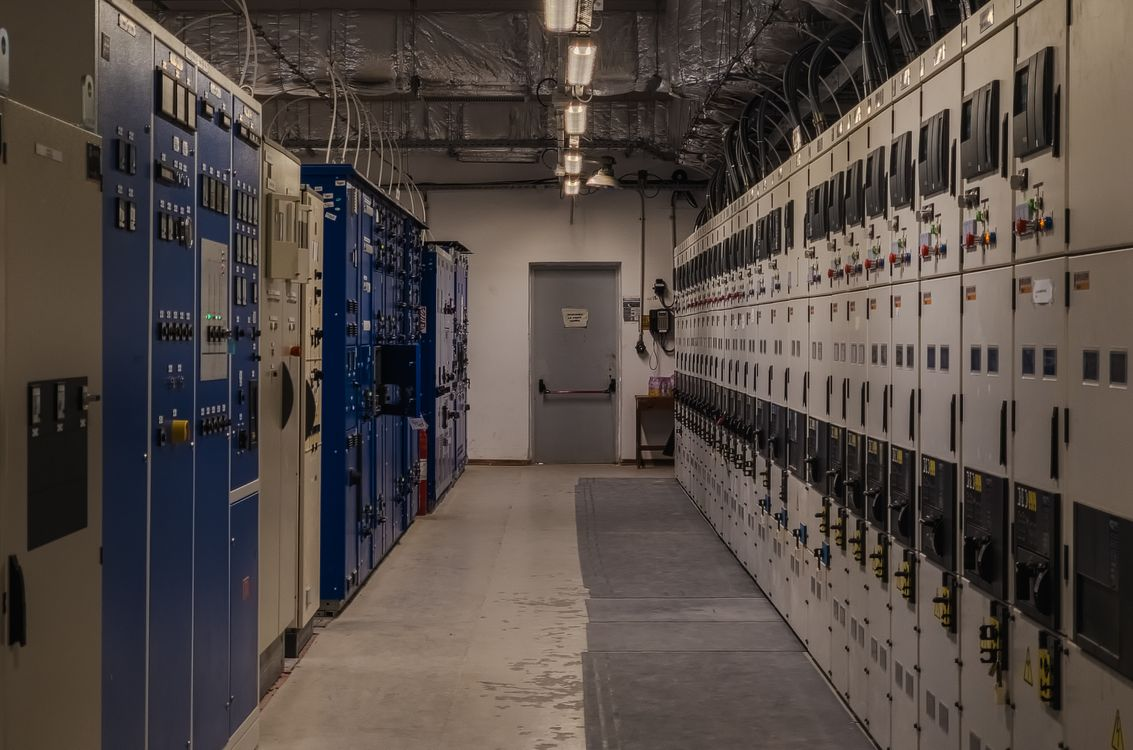
Heavy-duty vehicle electrification is shifting attention from vehicle availability to power infrastructure. Electric truck models are reaching the market, but many depot sites were not designed for the charging loads required by large commercial fleets. Upgrading those sites can involve new grid connections, distribution equipment, chargers, battery storage, solar systems, civil works, and software controls.
Decade Energy’s model brings those elements into a single infrastructure package. The company develops, finances, and operates depot energy systems, reducing the upfront capital burden on fleet operators and property owners. Its approach is built around site-level power planning rather than charger installation alone.
The company has carried out more than 1,500 depot electrification feasibility studies across Europe and has more than 100 projects under development representing over 500MW of capacity. A pipeline of 50 projects is due to begin construction in 2026.
Those figures show how quickly fleet electrification is becoming a grid capacity problem. A logistics depot must charge vehicles without disrupting route schedules, overloading site infrastructure, or creating excessive peak demand costs. Battery storage can smooth demand peaks, reduce connection pressure, and provide flexibility, while solar can contribute on-site generation where space and operating profiles allow.
The software layer is also becoming central. Charging schedules need to reflect vehicle availability, route planning, electricity tariffs, grid constraints, storage state of charge, and local generation. Poorly managed charging can increase costs and create operational risk, while coordinated charging can turn depot loads into flexible assets.
Grid connection lead times remain a constraint across many European markets. High-capacity depots will compete for network capacity with data centres, industrial electrification, heat electrification, renewable generation, and storage projects. Site owners that can combine storage, managed charging, and local generation will be better placed to control connection requirements and energy costs.
Decade Energy’s planned expansion into Germany, the Nordics, and Poland reflects the fragmented nature of the European depot market. Each country has different grid rules, tariff structures, permitting requirements, and fleet operating patterns. Scaling depot electrification will require repeatable technical models that can still adapt to local network conditions.
The €22m financing round points to a more mature phase in EV infrastructure. Public charging remains important, but commercial transport electrification will depend heavily on private, high-capacity depot power systems. The next stage of fleet electrification will be built around grid access, storage, charging control, and energy asset finance as much as around the vehicles themselves.