IN Brief:
- Decade Energy and Renault Trucks have launched a BESS-backed heavy-duty charging station in Gennevilliers.
- The installation combines a 250kW grid connection, battery storage, a 200kW DC charger, and energy management software.
- A planned second charger and battery would lift available charging power while retaining the same grid connection.
Decade Energy and Renault Trucks have launched a battery-backed charging station at Renault Trucks Grand Paris in Gennevilliers, near Paris.
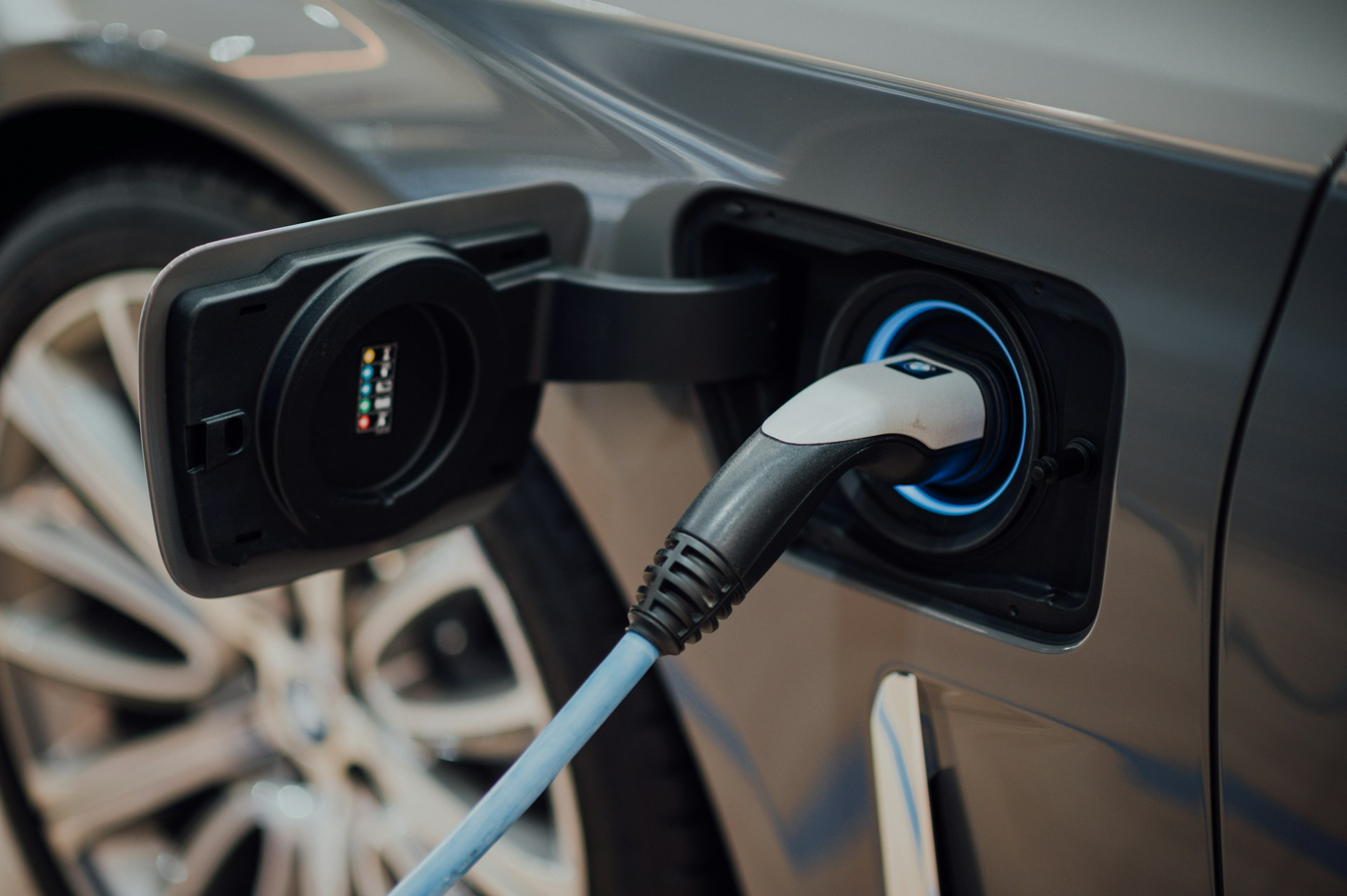
The installation is designed for heavy-duty electric trucks and combines a 250kW grid connection, battery energy storage, a 200kW DC charger, and two charging points. Decade Energy’s software manages charging by optimising energy use between the public grid and stored electricity, taking site constraints, charging demand, and power prices into account.
The Gennevilliers station can provide around 140MWh of electricity a year, supporting roughly 14,000 electric kilometres for heavy-duty vehicles. The battery increases usable charging capability without requiring the grid connection to match the charger’s peak output at all times.
A second charger and battery are planned for the site, which would allow up to 470kW of charging power while retaining the existing 250kW grid connection. When the system is not being used for vehicle charging, stored energy can also be used for market participation.
Heavy-duty charging exposes a central constraint in fleet electrification: charging demand can rise faster than local grid capacity can be reinforced. Electric trucks need larger power flows than passenger vehicles, tighter charging windows, and higher reliability because vehicle downtime affects logistics schedules directly.
The Gennevilliers model uses storage as a buffer between connection capacity and vehicle charging demand. Grid power can charge the battery within the site’s import limit, while stored electricity supplements the charger during higher-demand periods. The same architecture can smooth load, reduce peak strain, and create additional operating value when vehicle demand is lower.
Charging infrastructure is increasingly being specified as an integrated site-energy system. Recent charging and storage platform developments have taken the same direction, linking DC charging, battery systems, power conversion, and software control rather than treating chargers as standalone electrical loads.
The electrical design challenge changes once storage is integrated. A truck charging site may include DC chargers, battery containers, power conversion systems, local energy management, metering, grid import limits, site load monitoring, fire safety systems, communication links, payment systems, and market-interface software. Protection coordination, transformer loading, cable sizing, thermal performance, and future expansion all have to be designed around operational use rather than nominal charger capacity alone.
Fleet reliability depends on more than installed power. Charging windows must align with route schedules, vehicle dwell times, yard movements, connector placement, maintenance access, and safe driver workflows. A charging system can be technically powerful and still operationally weak if the site layout does not support daily vehicle movement.
Battery-backed charging is likely to grow where connection upgrades are slow, expensive, or constrained by local network conditions. It does not remove the need for grid investment, but it can support staged electrification by allowing fleets to begin operating electric vehicles while larger reinforcement work is assessed or delivered.
The Gennevilliers installation provides a practical model for early heavy-duty charging deployment in constrained locations. By combining storage, software, and DC charging within an existing grid limit, the site shows how electrical infrastructure can be shaped around commercial vehicle operation before full high-capacity grid reinforcement is available.