
IN Brief:
- Axpo and e-STORAGE will deploy an 8MW/40MWh BESS at the Rizziconi power plant in Calabria.
- The project will use the existing power plant grid connection to provide flexibility and balancing services.
- The scheme reflects growing European interest in placing batteries at established power infrastructure nodes.
Axpo and e-STORAGE will deploy an 8MW/40MWh battery energy storage system at the Rizziconi power plant in Calabria, southern Italy.
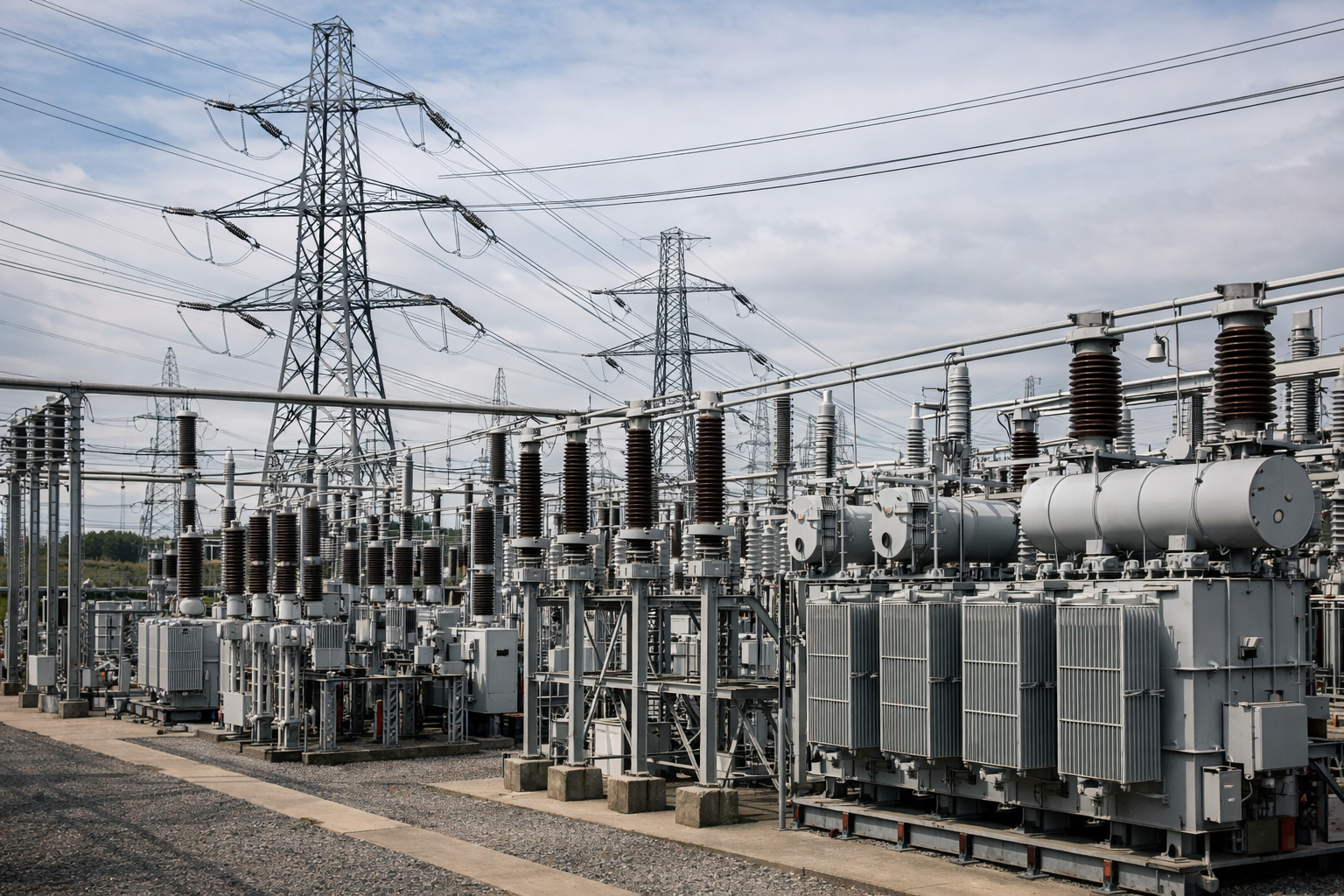
Construction is scheduled to begin at the end of 2026, with grid connection and commercial operation planned for early 2028. The battery will be installed at Axpo’s existing combined-cycle gas power plant and will use the site’s established grid interconnection to provide flexibility and balancing services.
e-STORAGE will deliver the integrated system, combining SolBank 3.0 battery blocks, power conversion systems, and its EQ-S energy management system. The SolBank 3.0 units have a 5MWh capacity per pack, with cells and pack systems produced through Canadian Solar’s manufacturing base.
Although the project is modest by headline capacity, the location gives it a stronger system role than its rating alone would suggest. Southern Italy has strong solar generation potential, but regional network constraints and limited transfer capacity can make it harder to move renewable electricity efficiently to demand centres. A battery connected at an existing power plant node can absorb energy, discharge during system need, and support balancing without requiring a wholly new grid interface.
Power plant sites are increasingly attractive locations for storage because the connection is often the most valuable part of the development. Established electrical infrastructure can reduce uncertainty around grid access, while existing land, protection schemes, control rooms, access routes, and operational teams can shorten the path from development to commissioning. Brownfield energy sites still require detailed engineering work, but they can avoid some of the delays that affect standalone storage developments.
The Rizziconi project also shows how thermal generation locations are being repurposed within a more flexible power system. Combined-cycle gas plants have traditionally provided dispatchable generation, balancing support, and system stability. As renewable capacity grows, those same sites can host batteries that deliver fast response, energy shifting, and ancillary services while using electrical infrastructure originally built for conventional generation.
Across Europe, the most useful storage projects are increasingly being defined by location as much as by size. Batteries connected where renewable generation is constrained, where grid capacity already exists, or where balancing services are in demand can provide greater system value than larger assets connected in less useful places. Projects in Hungary and Romania have shown a similar emphasis on integrated battery delivery, local grid support, and operational readiness rather than simple capacity announcements.
Italy’s storage market is moving quickly because solar deployment is increasing the need for intraday flexibility. Midday generation peaks can exceed local demand or available export capacity, while evening demand still requires dispatchable supply. Batteries can reduce curtailment, shift energy into higher-value periods, and support frequency and balancing services, provided connection agreements and market arrangements allow them to operate effectively.
The integration work at Rizziconi will be central to the asset’s performance. A battery placed at a gas-fired plant must be coordinated with existing protection schemes, metering, control systems, grid compliance requirements, and site operations. The system’s energy management software will need to balance market dispatch with state-of-charge management, degradation control, response obligations, and the operational constraints of the wider site.
Hybridisation of existing power infrastructure is likely to increase as European markets seek greater flexibility without waiting for entirely new grid routes. Gas plant sites, substations, industrial energy centres, solar farms, and interconnector nodes all offer potential locations for batteries where the grid already has electrical capacity, land rights, and operational access.
The Rizziconi battery will not transform Italy’s power system on its own, but it provides a clear example of the direction of travel. Storage is being placed closer to the points where grid flexibility is needed, and established power assets are being adapted for a market in which dispatch speed, controllability, and location are becoming more valuable than conventional generation capacity alone.

