IN Brief:
- Aukera has reached commercial operation at Ledwyche Solar and Crays Hall Solar.
- The two projects add 37.6MW of operational UK solar capacity in Shropshire and Essex.
- The sites form part of a five-project solar and battery programme backed by £135m of senior debt.
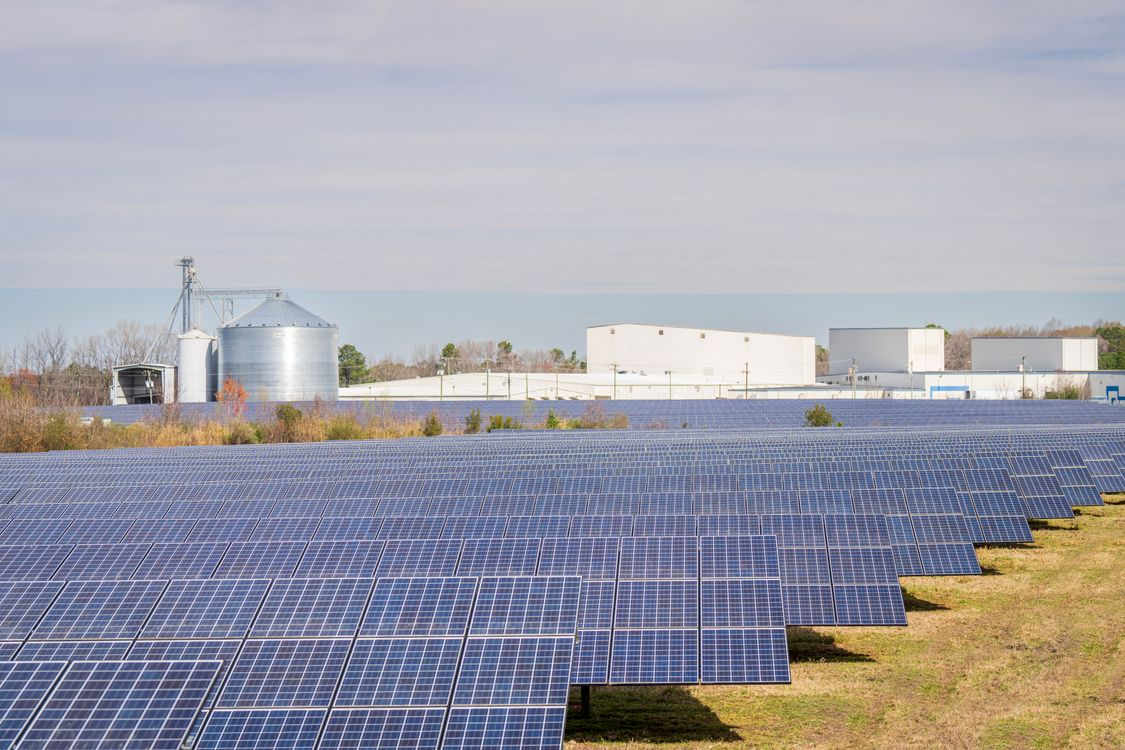
Aukera has reached commercial operation at two UK solar PV plants, adding 37.6MW of capacity across projects in Shropshire and Essex.
Ledwyche Solar in Shropshire has a capacity of 12MW, while Crays Hall Solar in Essex has a capacity of 25.6MW. The two projects form part of Aukera’s UK construction programme, which is supported by a £135m senior debt facility with Deutsche Bank and Rabobank.
The financing package covers five solar PV and battery energy storage projects with a combined capacity of 250MW. All five projects secured Contracts for Difference in Allocation Round 6 in 2024, giving the portfolio a defined revenue framework as assets move through construction and into operation.
Crays Hall was acquired by Aukera from Boom Power in 2024. With Ledwyche and Crays Hall now operational, the company has expanded its UK generation base while the remaining projects in the portfolio continue through delivery.
Aukera has also secured a CfD in Allocation Round 7a and a 15-year Capacity Market agreement in the 2029/30 T-4 auction for the Loch Fergus solar-plus-storage project in South Ayrshire. That scheme comprises 45MW of solar PV and a 40MW battery energy storage system, with commercial operation forecast in 2027.
The additional 37.6MW is modest in national capacity terms, but the delivery model reflects how the UK solar market is maturing. Portfolios that combine contracted revenues, debt financing, storage options, and repeatable construction processes are becoming central to utility-scale deployment. Individual sites add generation; portfolios create bankable pipelines that can sustain procurement, grid work, and contractor engagement across multiple projects.
Solar remains one of the technologies capable of moving from finance and consent to operation comparatively quickly where land, planning, and grid conditions are aligned. The constraints now sit less in the panel technology and more in connection access, planning timelines, financing structure, and revenue certainty. CfDs remain important because they provide long-term price stability and support lower-cost capital for projects exposed to wholesale market volatility.
Other UK clean-energy assets are advancing through similar commercial structures. The Twyn Hywel wind project has secured a PPA, while Gresham House has funded a 297MW UK BESS pipeline. In each case, the asset class differs, but the delivery conditions are familiar: revenue confidence, grid access, and capital availability have to align before construction can become operation.
Once solar farms are energised, the engineering focus moves toward integration and performance. Export capacity, voltage management, forecasting, maintenance access, and coordination with network conditions determine how efficiently assets operate. As more solar connects at distribution and transmission levels, installed capacity becomes only one measure of progress. The ability to manage output alongside demand, storage, and flexibility becomes equally important.
The Aukera projects add operational renewable capacity at a time when the UK needs clean generation to move from auction awards into physical delivery. Ledwyche and Crays Hall now provide generation rather than pipeline capacity, and the remaining projects in the portfolio will test how consistently that delivery model can be repeated.