IN Brief:
- Rooppur Unit 1 first synchronised with Bangladesh’s grid on 17 November 2026, delivering up to 350 MW during trial export.
- The initial connection was planned for approximately eight to ten hours to test the turbine, generator, controls and network interface.
- The VVER-1200 unit remains in staged commissioning, with further regulatory approvals required before commercial operation.
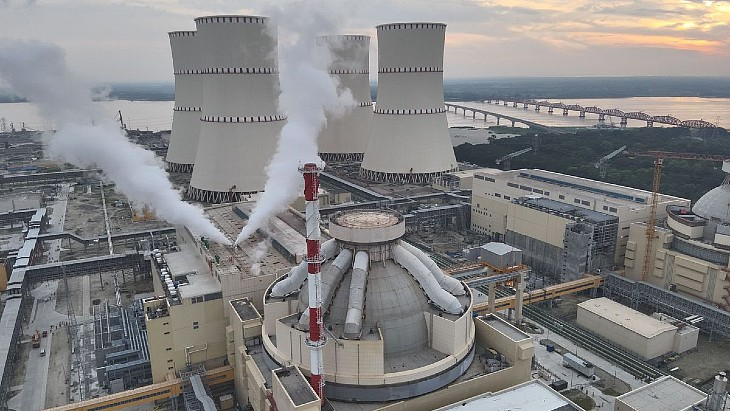
Nuclear Power Plant Company Bangladesh Limited (NPCBL) has reported the first trial electricity export from Rooppur Unit 1, bringing Bangladesh’s first nuclear generating unit onto the national grid. Synchronisation took place on 17 November, with initial output reaching up to 350 MW. The connection confirms an important stage in testing the reactor’s turbine-generator and electrical systems, but it does not mean that the unit has completed commissioning or entered commercial operation.
The first connection took place at around 15:16 local time, according to reporting citing the plant operator. The initial programme called for approximately eight to ten hours of export while engineers checked the turbine, generator, integrated controls and interaction with the grid. Officials reported power of up to 350 MW during the trial; subsequent local reporting citing the science and technology ministry said output was reduced to 300 MW to maintain grid stability. Neither figure establishes a sustained commercial rating or the total energy exported.
Rooppur is being constructed near Ishwardi in Pabna district as Bangladesh’s first commercial nuclear station. It comprises two Russian-designed VVER-1200 pressurised water reactors with around 2,400 MW of combined nominal capacity. Unit 1 entered construction in 2017 and moved through nuclear fuel loading, reactor start-up and power ascension before its first grid export. Unit 2 has its own construction and commissioning sequence and did not enter commercial service as a consequence of the 17 November trial.
To synchronise an alternating-current generator with a transmission network, operators must bring its voltage, frequency and electrical phase into the required relationship with the grid. Only then can the connection breaker be closed under the approved test procedure. Once connected, turbine and reactor controls must manage the generator’s output as electrical demand and network conditions change, while protection systems monitor faults and abnormal operating conditions. The connection therefore tests interaction between the plant and a live power system rather than the operation of an isolated generator.
The VVER reactor transfers heat from a pressurised primary coolant circuit through steam generators into a separate secondary steam system. That steam drives a turbine coupled to the electrical generator. Commissioning must establish reliable operation of these linked thermal, mechanical and electrical processes as power increases and the turbine-generator takes load. Protective controls and limits remain active throughout, and the approved programme determines which operating conditions can be tested at each stage.
At first export, the station’s control and electrical equipment is assessed under an operating condition that cannot be reproduced entirely through component-level checks. Engineers monitor generator stability, turbine response, protection coordination and how the unit behaves during planned changes in power output. Testing also provides evidence for the licensing process. A successful initial synchronisation does not by itself demonstrate performance at the reactor’s rated electrical output or readiness for long-term continuous operation.
Officials have indicated that results from this first stage will be reviewed before an application is made to the Bangladesh Atomic Energy Regulatory Authority for permission to enter a further phase of trial operation. Additional checks are expected as output is progressively raised. Reports have differed on when full commercial operation might begin, and some forecasts extend into 2027. Those dates remain planning expectations, rather than approvals already granted or milestones completed by the first grid connection.
The transmission system must accommodate power flows from the new station as its output increases. Rooppur’s grid connection and associated network infrastructure are intended to carry electricity away from the site and integrate it with existing generation. Initial export at a few hundred megawatts presents a different load-flow and stability condition from regular operation near full reactor output. Protection settings, network dispatch and the response to a change in generation will continue to be tested alongside the station’s own plant systems.
A megawatt measurement represents power at a particular moment; it does not state how many megawatt-hours were delivered over the day. The first test was planned to be short, with output subject to technical adjustments. Even if a generator reaches 350 MW during such a trial, that says nothing definitive about its eventual annual availability, capacity factor or reliability at sustained load. Those characteristics require operating evidence collected after further commissioning and, ultimately, during commercial service.
The first export follows a sequence of regulatory and technical steps completed during 2026, including approval for power start-up and progressive reactor testing. It creates an additional source of electricity for Bangladesh during the trial, but commercial supply from the completed two-unit station remains a future stage. Regular generation will depend on reactor performance, scheduled maintenance, fuel management and the ability of the surrounding electrical system to accommodate the plant’s output.
Unit 1’s next stages include review of the first grid-connection results, authorisation for further tests, higher-power operation where permitted and eventual commercial acceptance. The trial has demonstrated a functioning electrical connection between Rooppur and Bangladesh’s national network; confirmation of sustained generation at the unit’s rated capacity must follow the remaining tests and regulatory decisions.