IN Brief:
- Repsol has approved approximately €400m for a 150MW renewable hydrogen electrolyser at Tarragona.
- Enagás Renovable holds a 25% stake; the planned plant would supply the Ecoplanta and refinery operations with more than 22,000 tonnes of hydrogen annually.
- The project has been selected for up to €104m in funding under Spain’s Hydrogen Valleys programme, with its commissioning date not yet disclosed.
Repsol has approved an investment of approximately €400m to develop a 150MW renewable hydrogen electrolyser at its Tarragona industrial complex in Spain, advancing what would be the company’s largest electrolyser project. The facility is being developed with Enagás Renovable, which holds a 25% stake, and is intended to supply hydrogen for industrial production rather than operate as an electricity generation asset.
The facility is designed to produce more than 22,000 tonnes of renewable hydrogen annually, principally for use at the refinery and Repsol’s Ecoplanta development. Hydrogen will feed industrial processes including the production of renewable methanol and other products with a lower carbon footprint. The board’s investment approval advances a project that will introduce a substantial new electricity load at an established refining complex, with the electrolyser integrated into an industrial production chain rather than developed as a stand-alone generation facility.
Electrolysis uses electricity to split water into hydrogen and oxygen, with the electrical conversion and process equipment determining how the installation operates under different loads. The announced 150MW is the electrolyser’s rated power capacity, not its hydrogen production rate. The forecast production of more than 22,000 tonnes a year is a separate annual mass figure that will depend on the plant’s operating hours, conversion efficiency, feedwater treatment, and the supply of qualifying renewable electricity.
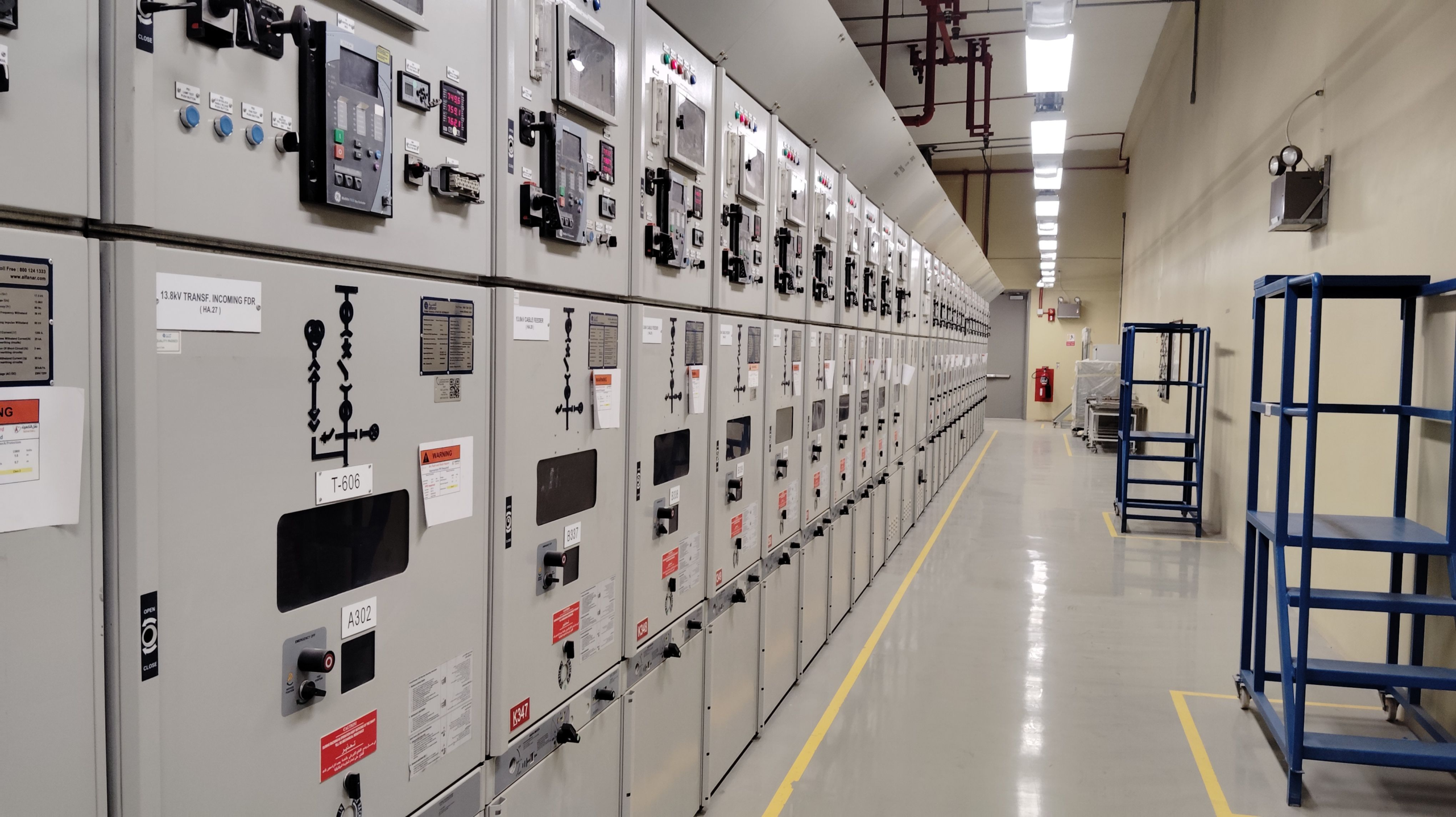
At 150MW, the electrolyser will require an electrical supply and power conversion system designed for industrial operation. Transformers, rectifiers or other conversion equipment, protection systems, and plant controls have to provide the direct current required by the electrolysis process while remaining compatible with the upstream supply. Repsol has not named the electrolyser technology, electricity connection rating, or key equipment suppliers, leaving the detailed conversion arrangement and flexibility of the plant to be specified in later engineering work.
Repsol plans to supply the electrolyser exclusively with reclaimed industrial water, treated to meet the requirements of the electrochemical process. Water quality affects membrane or electrode performance, operating efficiency, and equipment life, with the exact tolerances depending on the technology ultimately selected. The project will therefore need treatment, monitoring, and reliable delivery from existing industrial water systems to maintain suitable feedwater throughout the intended production schedule.
Integration at Tarragona will involve an electrical system that already serves major refinery and processing loads. The project design must accommodate additional demand, reliable power supply, power quality, and the operating limits imposed by the connection. Its ability to respond to electricity price signals or provide flexibility services will depend on the chosen technology and downstream process requirements; Repsol has not announced a dispatch agreement. Hydrogen delivery must also match the volume and quality needed by the receiving industrial facilities.
Repsol estimates that the renewable hydrogen project could avoid up to 250,000 tonnes of carbon dioxide emissions annually, principally through its use in the company’s industrial processes. The figure is a forward-looking estimate rather than a measured reduction from an operating plant. Actual reductions will depend on the electricity supplying the electrolyser, the process route, and the fossil-derived hydrogen or other inputs that renewable production ultimately replaces.
The investment has been selected to receive up to €104m through Spain’s Hydrogen Valleys programme, supported by the European Union’s Recovery and Resilience funding framework. The stated funding amount is a maximum available allocation, not evidence that every euro has already been drawn down. Repsol also expects the project to support around 1,000 direct, indirect, and induced jobs over its development phases, mainly in the local area. That figure is a combined project employment estimate rather than a forecast of permanent operating posts.
Enagás Renovable is already working with Repsol on another large electrolyser project at Cartagena. Repsol says the Tarragona addition will take the combined announced capacity of its large-scale projects at Tarragona, Cartagena, and Petronor near Bilbao to 350MW. The company has also operated a smaller 2.5MW electrolyser supplying its Petronor refinery since 2023, while separate hydrogen facilities are progressing at Bilbao and Sines in Portugal.
Repsol’s existing electrolysis experience offers a starting point for the much larger Tarragona installation. The group has operated a 2.5MW electrolyser supplying Petronor since 2023 and is progressing additional hydrogen equipment at Bilbao and Sines. A 150MW plant will demand a different scale of power conversion, controls, water treatment, and connections to downstream users. Compression, purification, and any intermediate storage will have to be coordinated with the production equipment, although the company has not yet published a final process or procurement specification.
Repsol has identified possible future supply to natural gas infrastructure and Spain’s Hydrogen Backbone, alongside the planned hydrogen use at Tarragona. Those additional routes have not been presented as committed operating arrangements, and any eventual network injection would require suitable gas quality, metering, and interface engineering. The approved investment is presently centred on supplying industrial facilities at the refinery complex and the Ecoplanta project.
Repsol has approved the approximately €400m investment and established the intended hydrogen users, annual output, partner ownership, and eligibility for public funding. Detailed equipment selection, electricity and water integration, construction contracts, and commissioning dates remain to be announced. Those decisions will determine how the 150MW electrical demand is delivered and when the planned output of more than 22,000 tonnes of renewable hydrogen can begin supplying Tarragona’s industrial operations.