IN Brief:
- Cernavodă Unit 1 disconnected on the evening of 9 November following a malfunction in conventional equipment.
- Nuclearelectrica reports no impact on nuclear safety, personnel, or the environment, with repair work underway.
- The operator is replacing its technical director and reviewing maintenance procedures following repeated unplanned interruptions.
Nuclearelectrica has confirmed that Unit 1 of Romania’s Cernavodă nuclear power station disconnected from the national electricity network on the evening of 9 November 2026 following a malfunction in conventional plant equipment. The interruption occurred three days after the reactor had been reconnected to the grid following an extended shutdown associated with low Danube water levels.
The operator said the latest disconnection followed established operating procedures and had no impact on nuclear safety, personnel, or the environment. Technical teams are investigating and repairing the malfunction, with the immediate objective of restarting Unit 1 and restoring electricity generation as soon as operating conditions permit.
The precise equipment responsible has not been identified publicly. Nuclearelectrica has described the fault as occurring in the conventional section of the generating unit, without specifying a turbine, generator, transformer, control system, or auxiliary component. The company intends to establish the underlying cause through a further technical investigation.
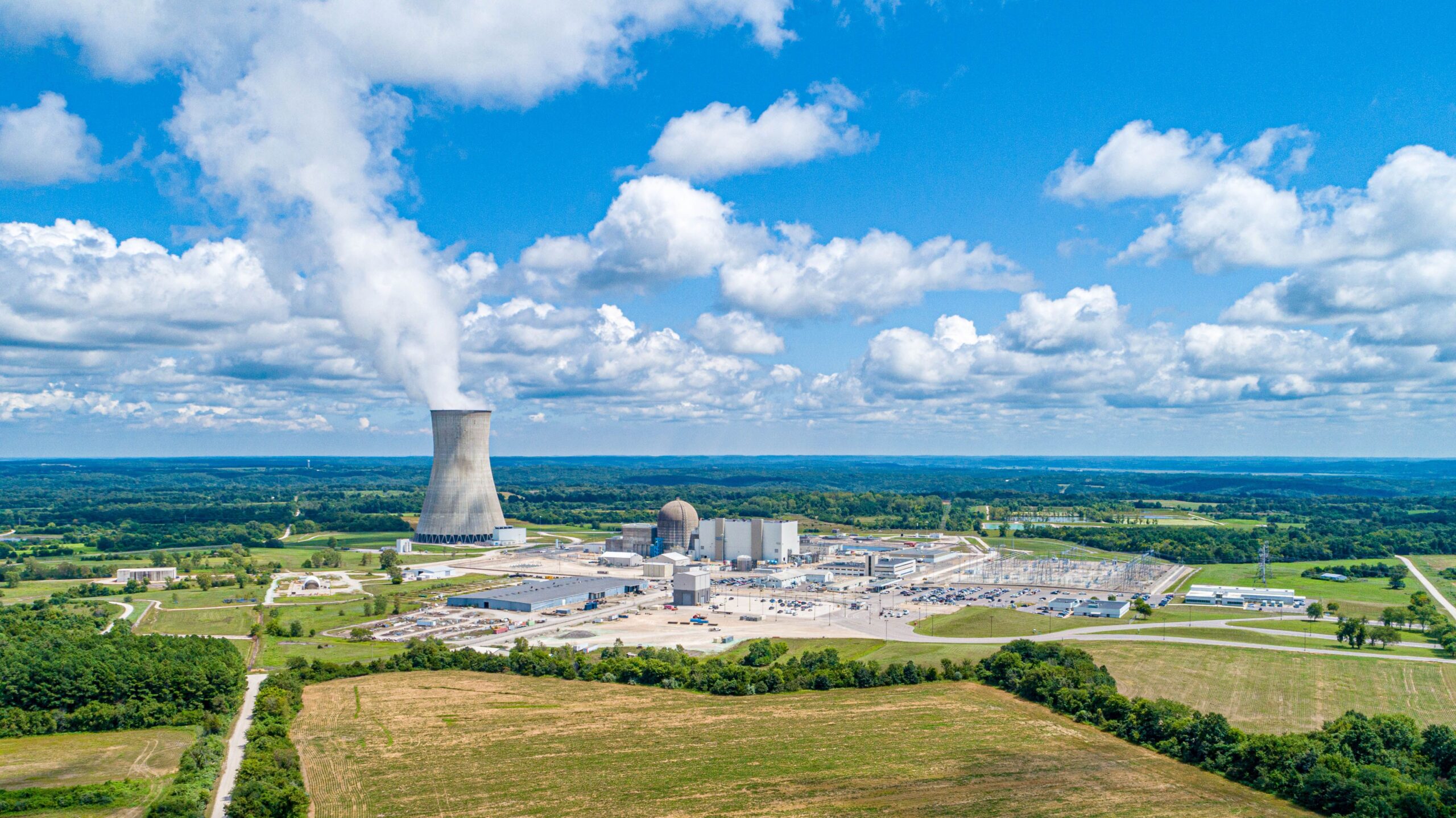
Cernavodă operates two CANDU 6 pressurised heavy-water reactors, each with an electrical generating capacity of approximately 650MW. The station normally supplies a substantial share of Romania’s electricity requirements, making the availability of both generating units relevant to the country’s wider electricity supply and balancing arrangements.
The latest malfunction follows a separate operating constraint that had affected both reactors for several months. Unit 1 was shut down in late July after unusually low water levels in the Danube reduced the availability of cooling water. Unit 2 was subsequently taken out of operation in August as the same hydrological conditions continued.
Maintaining adequate cooling is essential during both reactor operation and shutdown. A nuclear power station must remove heat from its generating systems, while safety-related cooling functions must remain available under the applicable operating conditions. The quantity and condition of water available at the intake can consequently affect whether a generating unit is permitted to return to service.
Nuclearelectrica began the restart programme for Unit 1 on 4 November after confirming that the necessary water conditions had been met. The reactor was reconnected to Romania’s National Energy System on 6 November, establishing the basis for restoring part of the station’s electricity output before Unit 2 returned.
That earlier reconnection did not conclude the station’s recovery programme. The operator continued monitoring water availability and preparing the second unit for restart. On 9 November, before the new Unit 1 malfunction was reported, Nuclearelectrica said Unit 2’s restart procedures would begin following a sustained improvement in the water conditions needed for safe operation.
The original Unit 2 programme anticipated grid synchronisation on 10 November and the achievement of nominal power on 11 November. Those dates were projections issued before the latest Unit 1 disconnection. The subsequent malfunction means the earlier expectation that both units would be operating normally from 11 November cannot be treated as a confirmed outcome.
The earlier shutdowns resulted from low Danube water levels affecting cooling-water availability, while the 9 November interruption followed a malfunction in Unit 1’s conventional equipment. Nuclearelectrica has not established a causal connection between these incidents, and the specific equipment responsible for the latest failure remains unidentified.
Conventional equipment performs functions associated with converting available thermal energy into electricity and delivering that output to the network. A nuclear generating unit includes turbines, a generator, electrical equipment, and supporting systems that operate alongside the reactor and its safety infrastructure.
A fault in this equipment can interrupt electricity production without necessarily compromising the reactor’s nuclear safety functions. Protection and operating procedures are designed to respond to abnormal conditions, which may require the generating unit to disconnect from the transmission network while the affected equipment is investigated.
Nuclearelectrica has said the station’s protection systems operated correctly during its recent interruptions. However, the operator has also acknowledged that repeated equipment-related outages have fallen below its expected operational performance standards. The company is introducing management and maintenance changes intended to improve equipment availability.
The technical director of Cernavodă is to be replaced with effect from 1 December 2026. Nuclearelectrica will also assess maintenance activities against existing station procedures and relevant international nuclear industry standards. An accelerated review of maintenance processes forms part of the operational remediation programme.
Chief executive Mihai Gioară linked the decision to repeated temporary unplanned outages involving auxiliary technical systems during 2026, alongside the challenges created by severe weather conditions. He said the frequency of interruptions had been unacceptable against the company’s own performance expectations, despite the continued effectiveness of nuclear protection arrangements.
The maintenance review will address the technical support arrangements that contribute to plant availability. Reliable operation depends on the condition of generating equipment, the effectiveness of preventive maintenance, and the timely detection and correction of faults. The operator has not identified which specific maintenance activities, if any, contributed to the 9 November malfunction.
Restoring electricity generation will also require coordination with the national transmission system. When a large generating unit disconnects, other electricity resources must accommodate the resulting change in supply. The response depends on the amount of output lost, available reserve capacity, and the operating conditions prevailing across the network.
Neither the precise output lost during the latest interruption nor a revised Unit 1 restart time has been established in the operator’s announcement. The immediate programme remains focused on fault remediation and controlled reconnection, while the separate Unit 2 restart is governed by its own procedures and operating conditions.
Nuclearelectrica intends to publish a subsequent report on the root cause of the malfunction. Until that investigation is complete, the affected component and the necessary corrective measures remain unresolved. The company’s maintenance review and technical management changes will proceed alongside work to restore the two generating units to service.