IN Brief:
- Bedburg 3 adds nine onshore turbines with a combined stated capacity of approximately 60MW.
- RWE owns 51% of the wind farm and the municipality of Bedburg holds the remaining 49%.
- The partners now operate around 156MW of wind generation locally, alongside further solar and battery work.
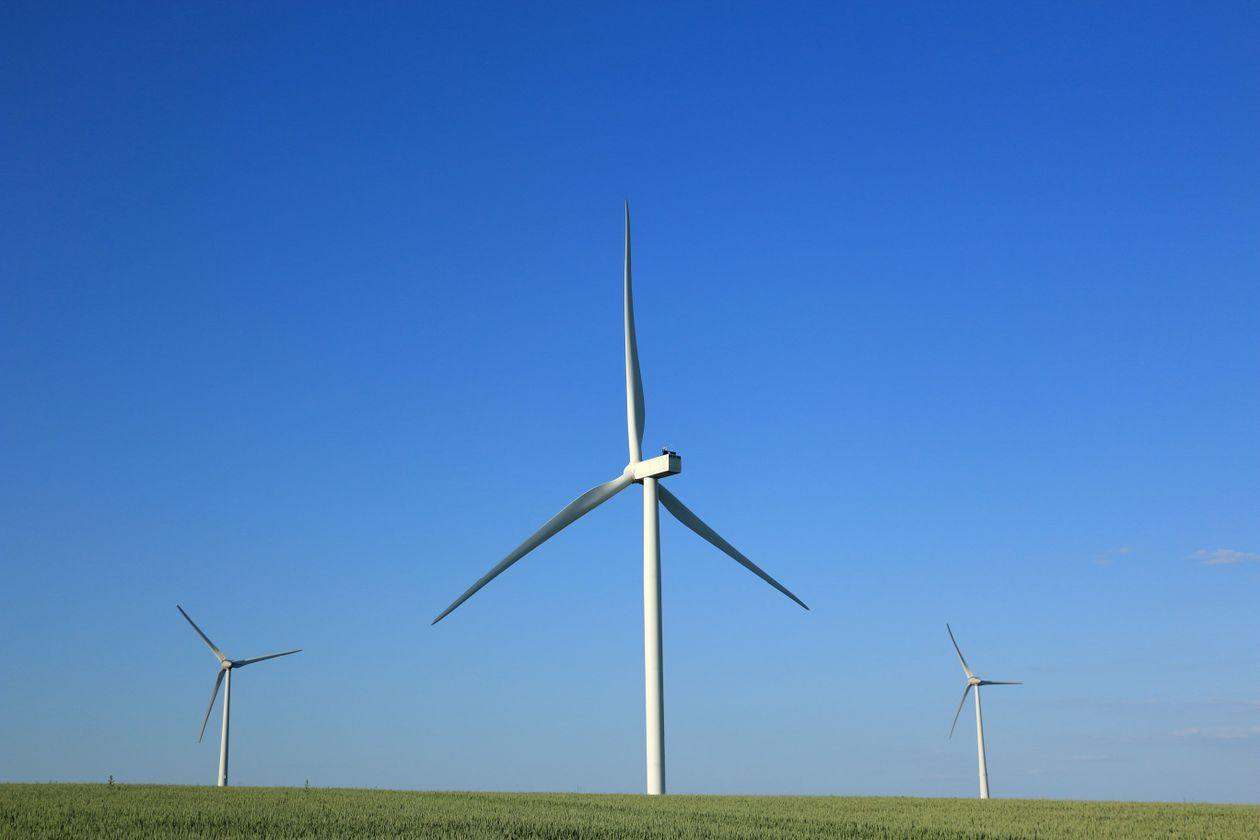
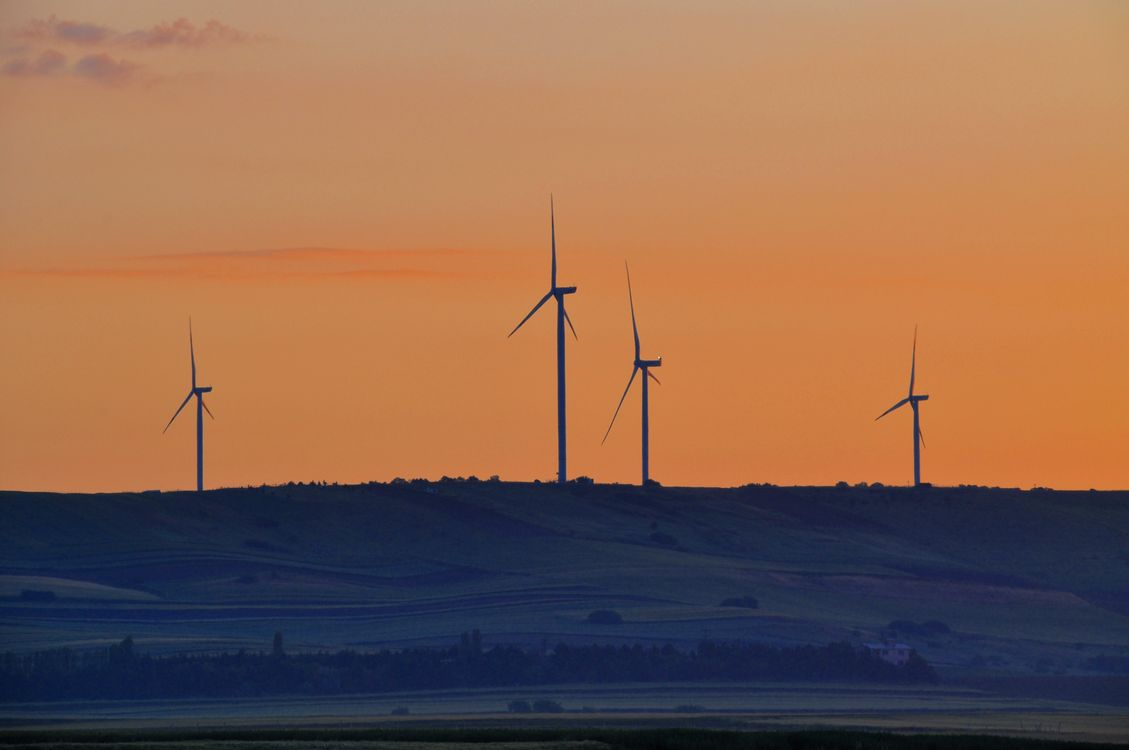
RWE and the municipality of Bedburg have commissioned Bedburg 3, a nine-turbine wind farm beside the Garzweiler lignite mine in Germany’s Rhineland. The roughly 60MW project is the third wind farm developed through their joint venture, increasing their installed capacity in the Bedburg area to approximately 156MW. It enters service in a region where renewable-energy projects are being developed on land associated with decades of lignite extraction and reclamation.
Seven turbines at Bedburg 3 each have a rated capacity of 7MW, while the other two are rated at 5.7MW. Their combined nameplate ratings total 60.4MW, rounded to 60MW in RWE’s project figures. The developer estimates that the turbines will generate electricity equivalent to the annual consumption of around 36,500 households. This is a comparison of expected energy production with annual demand; actual generation will vary with wind conditions, plant availability and any restrictions imposed by the electrical network.
The ownership structure gives RWE a 51% interest and the town of Bedburg 49%. The same partnership previously delivered the 67MW Königshovener Höhe and 29MW Bedburg A44n wind farms. Together with Bedburg 3, the three developments account for the reported 156MW portfolio. The commissioning milestone therefore concerns a specific new asset, rather than an increase attributed to a portfolio acquisition or an unbuilt development pipeline.
Construction followed a development programme outlined by the partners in April 2025. Building an onshore wind farm on land influenced by previous mining operations requires ground investigation, properly designed foundations and access suitable for the transport of towers, blades and heavy lifting equipment. Turbine erection also has to be coordinated with cable installation and the connection infrastructure. The 5 November commissioning milestone marks completion of the principal steps needed for Bedburg 3 to deliver electricity, rather than a new planning approval or contract award.
RWE previously identified the Garzweiler mine’s existing electrical infrastructure as a means of connecting the wind farm to the wider grid. Using available network assets can reduce new infrastructure requirements, provided the electrical connection has sufficient capacity and the equipment meets the necessary protection and power-quality conditions. The project announcements do not give a final grid connection voltage or transformer rating for Bedburg 3. Those specifications would be needed for a detailed account of the site’s substation and cable design.
A wind turbine’s rated megawatt output is reached only within its designed operating range, rather than throughout the year. Wind speed, the turbines’ control settings and outages determine the energy that will be recorded at the connection point. Once a wind farm is in service, operating data also allow its availability and actual annual generation to be compared with the earlier forecast. RWE’s commissioning information gives an annual household-equivalence estimate but no measured first-year generation figure, which cannot yet exist for the newly opened plant.
Bedburg’s joint ownership is accompanied by a local payment arrangement. RWE says it will distribute 0.2 euro cents for each kilowatt-hour produced to municipalities near the project, with annual payments potentially reaching €250,000 and Bedburg expected to receive the largest share. Local associations can also participate in a separate benefit mechanism under North Rhine-Westphalia’s citizen energy legislation, with the municipality organising applications. The stated annual amount is an estimate linked to production, not a fixed minimum payment independent of output.
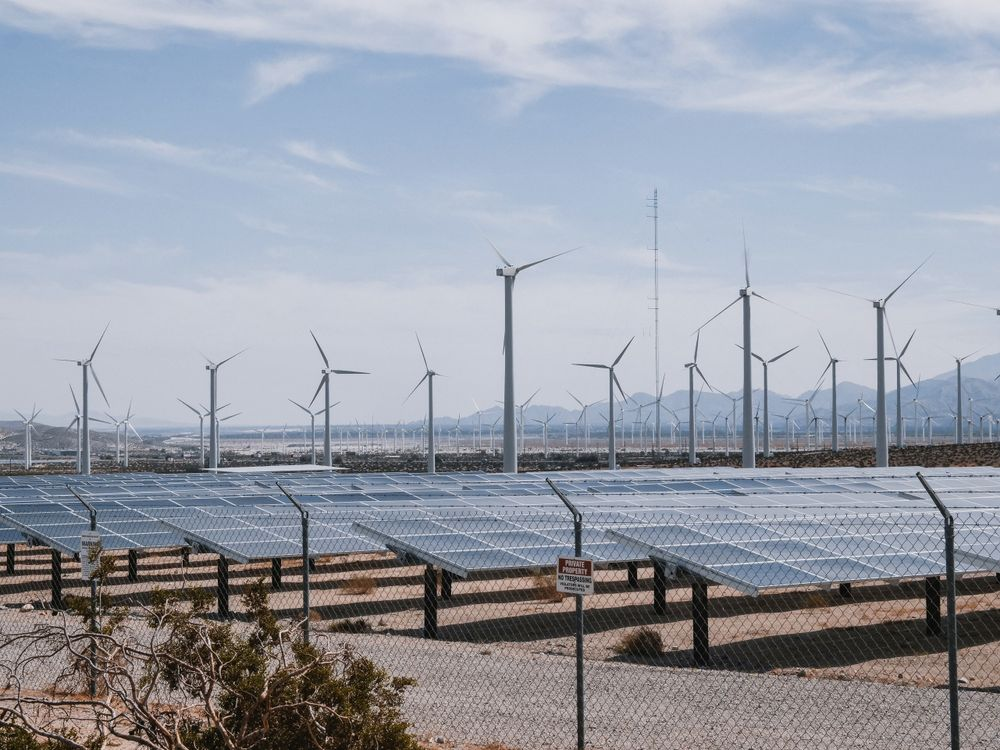
The wider Garzweiler site now accommodates a mix of wind, solar and electricity storage development. RWE reports 44 wind turbines around the mine, has expanded a solar project beside the A44n motorway to more than 100MWp, and is building a battery storage project with a 75MW power rating. The photovoltaic figure describes rated DC module output; the battery’s 75MW figure describes its charging or discharging power, not stored energy. The projects therefore represent different electrical assets and should not be added together as though they supplied constant, interchangeable generation.
Such a combination places different demands on local connections. Wind and solar generators respond to variable weather, while batteries can import electricity when charging and export it at other times within the limits of their state of charge and connection agreement. Protection, metering and power-flow arrangements must account for the direction and timing of electricity movement. RWE has not described the neighbouring projects as a single integrated hybrid station, although their development is contributing additional electrical infrastructure to the same former mining region.
With the latest nine turbines in operation, the partnership’s wind capacity at Bedburg is reported at about 156MW across three projects. RWE’s local payment scheme will now be linked to electricity actually generated, while the separate nearby battery development remains under construction. The subsequent performance indicators for Bedburg 3 will be its delivered electricity, equipment availability and the payments arising under the community arrangements.