IN Brief:
- Tume has reached commercial operation at 173.6MW, reported as 174MW, in Latvia’s Tukums municipality.
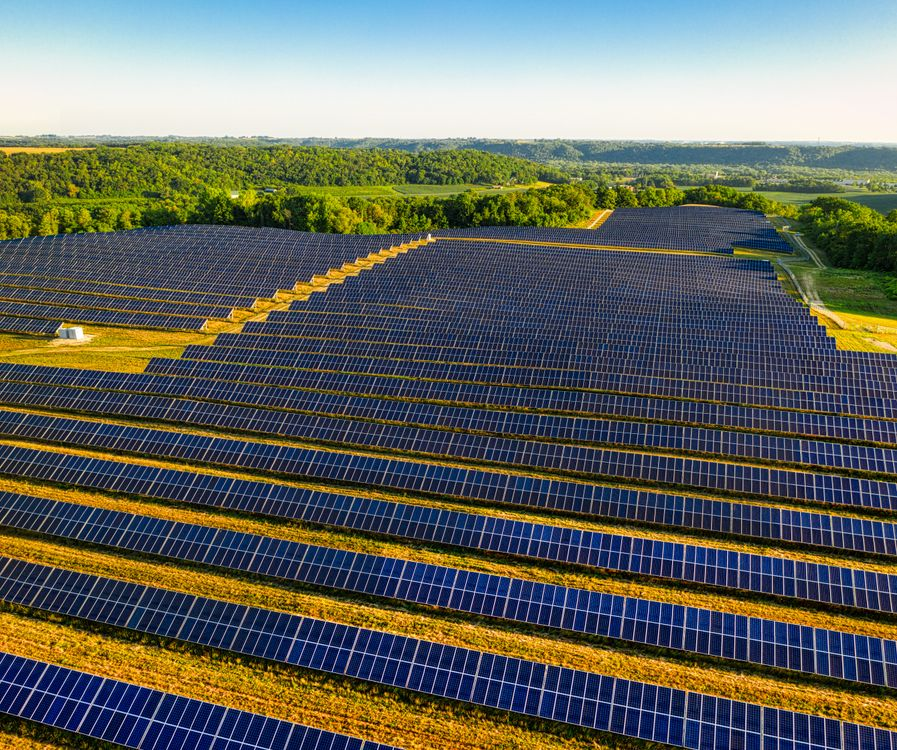
- The 302-hectare solar farm contains more than 282,000 panels and is Ignitis Renewables’ first project using trackers.
- A separately planned 107.2MW/214.5MWh battery installation has not yet entered commercial operation.
Ignitis Renewables has brought the Tume solar farm in Tukums municipality, Latvia, into commercial operation, completing a 173.6MW development generally described as 174MW. Ignitis Group confirmed the milestone on 6 November, adding the generating plant to its operational Baltic portfolio. The site also has a 107.2MW/214.5MWh battery system under construction, with separate investment and commissioning arrangements. The solar installation is now producing electricity commercially; the storage element is expected to reach commercial operation in 2028.
Tume covers 302 hectares and contains more than 282,000 photovoltaic modules. Ignitis estimates that the electricity generated annually will be equivalent to consumption by around 85,000 households, although the figure describes a production comparison across the connected electricity system rather than supply to particular properties. Grid export relies on the output from the modules being collected, converted into alternating current, and delivered through the site’s electrical connection. Actual energy production will vary with irradiance, weather, equipment availability, and any restrictions on network export.
Tume is the first Ignitis Renewables solar farm to use tracker technology. Tracking structures change the angle of mounted modules over the course of the day to follow the sun, allowing the array to capture more irradiance than a fixed-angle arrangement under comparable conditions. The actual benefit varies with latitude, weather, row spacing, tracking geometry and maintenance. Moving mounting structures also introduce motors, controls and mechanical components that require inspection and service throughout the project life.
The panels generate direct current, which is converted into alternating current through inverters before export through the project’s electrical infrastructure. The inverter and connection systems must operate within voltage, frequency and protection limits set by the network. Tracking a moving sunlight profile can change the timing and shape of the generating output, but does not eliminate the seasonal or weather-related variability of solar production. Commissioning the complete plant therefore involves coordinated checks of electrical systems as well as the mechanical tracking equipment and module strings.
Ignitis has taken primary responsibility for operating and maintaining the plant through its own specialists, another first for its renewable energy portfolio. Staff will monitor plant performance and undertake routine servicing of modules, trackers, inverters, and associated electrical equipment. Moving maintenance in-house may shorten the route between diagnostic information and work planning, although the company’s stated expectations will be tested by availability and production results over time. Tracking systems add motors and other mechanical components alongside the electronics, making planned inspections an important part of keeping the array operating as designed.
The planned battery will have a power rating of 107.2MW and an energy capacity of 214.5MWh, equivalent to approximately two hours of discharge at full rated output before operating allowances. It will be integrated with Tume’s existing grid infrastructure and is designed to move stored energy between periods of generation and demand. Ignitis made the final investment decision for the battery in July 2026 and estimated a separate investment of around €35 million. The company’s development timetable places its commercial operation in 2028, two years after the solar plant reached service.
Once installed and commissioned, the battery will allow the operator to store electricity when the solar farm is producing and release it later, depending on its control strategy and connection agreement. That flexibility can reduce the need to export all available output at the same time and may help manage local network constraints. The eventual service mix will depend on battery availability, market opportunities, control equipment, and technical approvals. For now, the generating plant is operational independently of the storage system, whose converters, protective equipment, and integration tests remain part of the project programme.
Ignitis disclosed potential total investment of up to €106 million for the Tume solar project in its regulated market notification. The company also reported that completion increased the group’s installed green capacities from approximately 2.1GW to 2.3GW. That portfolio movement is a rounded group-level comparison and should not be mistaken for the battery’s expected contribution, which will add flexible power capacity rather than create an additional primary energy resource. The project is Ignitis Renewables’ third solar development in Latvia.
Operating a solar array of this scale creates a continuing maintenance and monitoring programme. Each tracker row, inverter, electrical string, and protection device contributes to the energy available for export, so localised faults can affect production even while most of the farm remains in service. The company expects in-house asset management to support long-term performance, but first-year operations will provide the first full indication of the site’s annual production profile. In parallel, the battery’s future connection will require coordination of two assets using shared infrastructure while retaining their own controls and operating limits.
Tume’s solar commissioning increases Ignitis Group’s disclosed installed green generation capacity from approximately 2.1GW to 2.3GW, using rounded portfolio figures. The next construction milestone is the battery installation, which will add controllable storage rather than a new source of primary electricity. Ignitis expects that separate project to enter commercial service in 2028. Until then, Tume’s confirmed operational contribution comes from its 173.6MW photovoltaic plant, whose trackers and internal maintenance programme are now part of the company’s day-to-day generation operations.