IN Brief:
- The Šibenik system is rated at 60MW/120MWh and connects to Croatia’s 110kV transmission network.
- HOPS has contracted the full power capacity for automatic frequency restoration reserve since September 2026.
- The facility combines 34 Tesla Megapack units with NGEN controls and was expanded from an initial 10MW/20MWh phase.
NGEN and Croatian investment platform NextGrid Energy have opened the 60MW/120MWh Šibenik battery energy storage system, a transmission-connected installation that was already providing grid balancing services before its inauguration. The ceremony took place on 4 November at the IMPOL-TLM industrial complex, followed by the companies’ announcement on 5 November. Connected to the 110kV transmission network, the standalone battery supplies flexibility to Croatian transmission system operator HOPS without being tied to the output of a single neighbouring solar or wind farm.
The battery’s 60MW power rating describes the maximum rate at which it can deliver or absorb electricity under the relevant operating conditions. The separate 120MWh energy rating indicates the total stored energy available at nominal capacity. Together, those figures describe a system capable of providing its rated power for approximately two hours, before allowing for operating limits and conversion losses. The distinction is important because a 120MWh battery is not equivalent to 120MW of continuous generating plant, and the duration of a requested response affects the energy available for subsequent calls.
The full 60MW capacity has been dedicated to automatic frequency restoration reserve (aFRR) under a contract with HOPS since September. That service enables the operator to request changes in charging or discharging power to help restore the balance between electricity generation and demand. A battery can alter its active power output through electronic converters faster than many conventional generating units, although the duration and direction of its response depend on the stored charge and its operating limits. November’s opening recognises the completed project rather than the first day of its balancing operation.
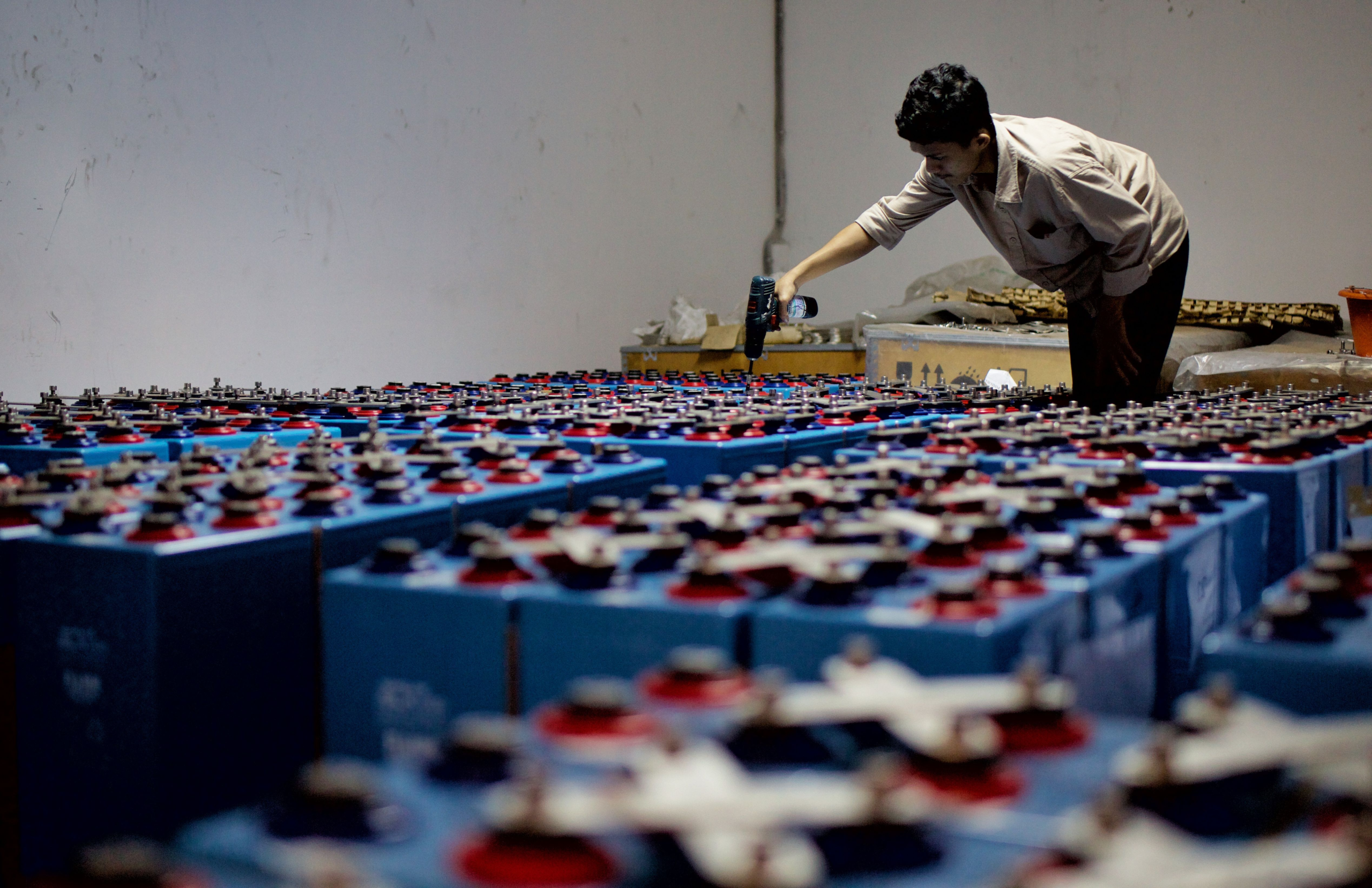
Šibenik uses Tesla Megapack XL equipment and a control platform supplied by NGEN. The completed installation comprises 34 Megapack units using lithium iron phosphate cells, according to NGEN’s project information. The battery was built in two stages: an initial 10MW/20MWh system demonstrated the connection and trading arrangement, before a further 50MW/100MWh was added. The larger phase uses the same general connection infrastructure and brings the combined site to its present 60MW/120MWh rating.
The expansion used the existing connection and transformer infrastructure, but adding 50MW required corresponding energy storage, power conversion, electrical protection, and control integration. NGEN was the engineering, procurement and construction partner and supplied the operating technology. IE-Energy is identified in the project information as the investor and owner, while NextGrid Energy is the Croatian development platform working with NGEN. Bringing the two phases together has established Croatia’s first standalone battery installation of this scale directly connected to the transmission network.
NGEN’s platform monitors market conditions, the battery’s operating state, and system requirements, with optimisation decisions updated every 15 minutes. Those intervals describe the commercial and supervisory scheduling cycle; a requested frequency restoration response involves much faster changes in electrical power. Effective dispatch must leave enough available charge and converter headroom for committed balancing services. When power is reserved for aFRR, the same capacity cannot be sold simultaneously for another incompatible service. This coordination also accounts for the need to recharge the battery between periods of discharge.
The project has also completed prequalification for manual frequency restoration reserve (mFRR). That approval provides an additional potential route to market, while the current agreement with HOPS dedicates the full 60MW to aFRR. NGEN says Šibenik operates without guaranteed revenues, with its owners exposed to the commercial value of flexibility services. Its software can assess intraday trading alongside reserve products, subject to the capacity already committed and to the market rules. Prequalification widens the site’s operating options without establishing that every product is being delivered at the same time.
The installation is supervised around the clock from NGEN’s dispatch centre in Žirovnica, Slovenia. Remote monitoring covers operational status and provides a point of coordination for the battery’s dispatch and technical management. That arrangement illustrates how the site can participate in a national system service while part of its operational oversight is carried out across a border. Croatian transmission-network integration, however, still depends on HOPS’s requirements and on the protection and metering equipment connected to the 110kV grid.
The investment totals around €60 million, according to regional authorities, and draws on several funding sources. The European Union’s Modernisation Fund has supported the project, with equity investment involving the European Bank for Reconstruction and Development, Raiffeisen pension funds, and IE-Energy. The second phase received strategic-project recognition for grid storage, while the financing helped extend the original 10MW installation to its present sixfold power rating. Investment support has enabled construction of the asset, but the operating business continues to depend on the balancing services and market opportunities available to it.
Further grid-support capabilities are being considered, including virtual inertia. Through suitably designed inverter controls, a battery may be able to imitate part of the short-term inertial response normally provided by rotating electrical machines. NGEN describes this as an avenue for future services rather than an existing contracted function at Šibenik. The confirmed position is a completed, two-hour battery system on Croatia’s 110kV network, remotely supervised from Slovenia and supplying aFRR to HOPS. Its subsequent operating record will show how consistently the storage can provide that response across changing network conditions.