IN Brief:
- Low Carbon is developing proposals for a solar and battery energy park near Mark, Somerset, with potential capacity of 500 MW.
- The scheme is at an early stage and includes five development areas and connection infrastructure towards Woolavington.
- An early-2027 public consultation is planned ahead of a Development Consent Order application.
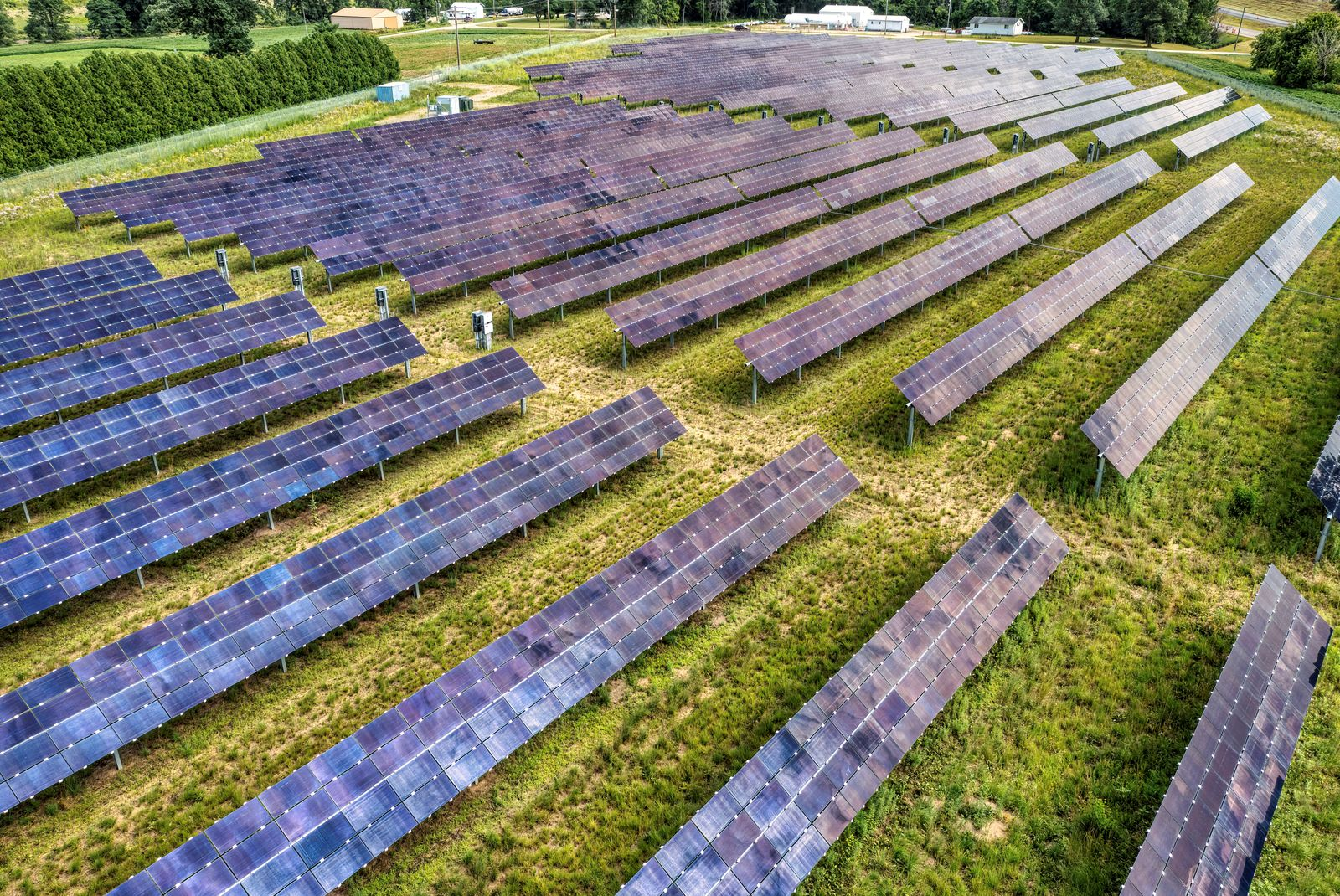
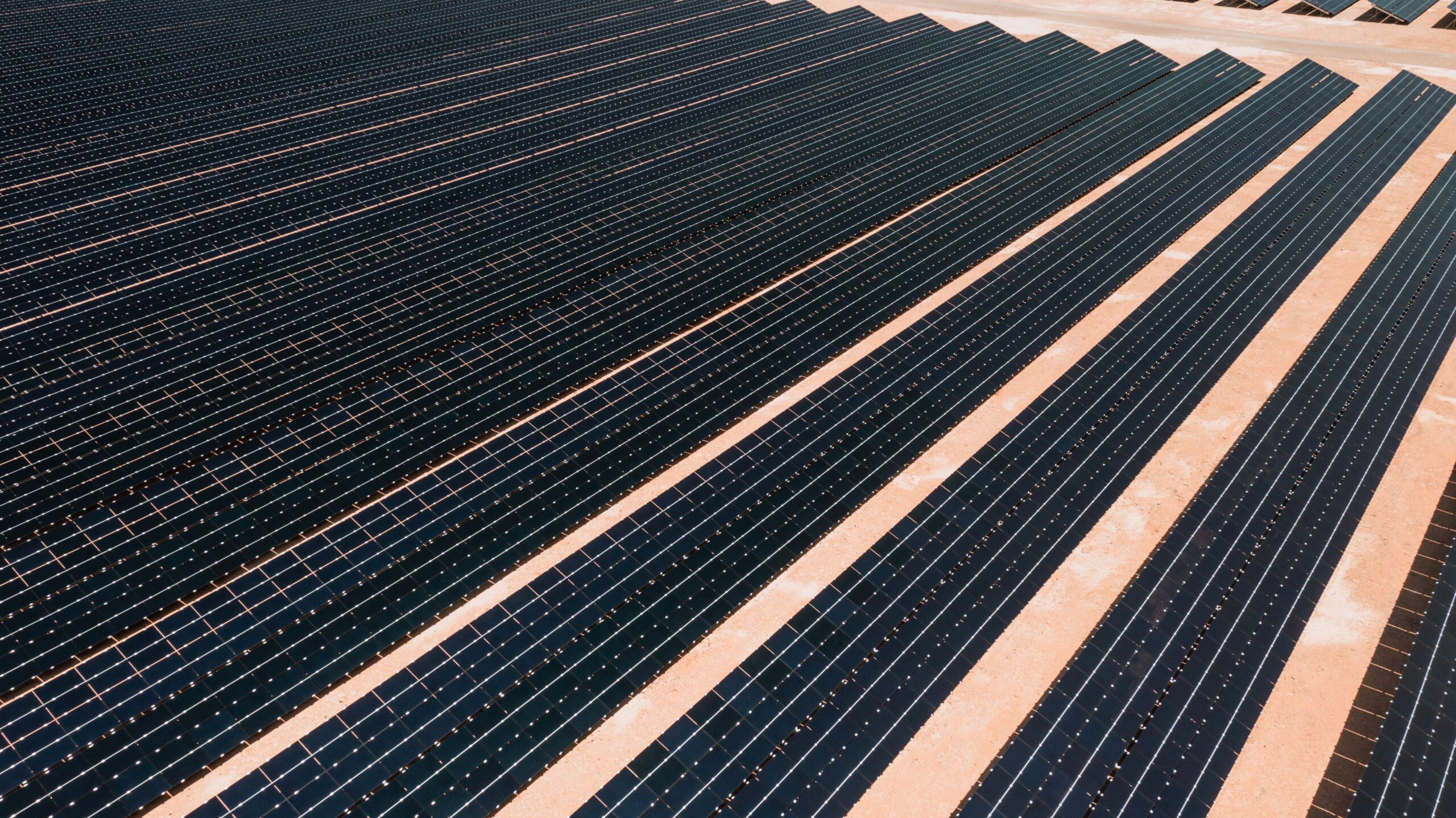
Low Carbon has begun developing proposals for Somerset Energy Park, a solar and battery storage development near the village of Mark in Somerset with a potential capacity of 500 MW. The company envisages five development areas containing photovoltaic panels, an energy storage system and associated electrical equipment. It has started early engagement with local stakeholders and intends to hold a wider public consultation in early 2027. The proposals are at an initial development stage; the project has not received permission to build and no construction start date has been confirmed.
The five areas are described as Northern, Eastern, Southern, Western and Central. They would accommodate generating equipment together with infrastructure such as inverters and substations. The developer has not published a final layout or separated the headline capacity into a definitive solar power rating and battery power or energy capacity. Accordingly, the 500 MW figure should be treated as the scheme’s potential capacity rather than evidence of a completed or operational solar farm, or proof of a specified battery storage duration.
Low Carbon says the park could produce enough electricity annually to match the needs of more than 145,000 homes and avoid approximately 150,000 tonnes of carbon dioxide each year. Both figures are developer projections for a completed project. They depend on assumptions about electricity generation, displacement of other sources and future operation. They should not be presented as measured performance or guaranteed outcomes. The addition of battery storage is intended to offer greater flexibility in how the development interacts with the electricity system, but the operational configuration remains to be determined.
Grid connection will be a significant element of the project’s engineering. The developer proposes to connect through the planned Woolavington Substation and has identified broad search areas for access and electrical routes. The options under consideration include a combination of overhead lines and underground cables. The precise arrangement will be refined as environmental assessment and design progress. The location of generating equipment, the export connection and associated electrical infrastructure must work together, since the installed capacity of a solar park has limited value if there is no deliverable route to the network.
Substations and inverter systems are particularly important where photovoltaic generation and battery storage share a development. Solar panels produce direct current, while electricity exported to a conventional alternating-current network requires power conversion and appropriate electrical protection. Storage can absorb or supply electricity according to its design and operating arrangements, but it does not remove the need for network capacity, control and safe connection. Low Carbon has identified the broad equipment categories; it has not specified an inverter manufacturer, transformer rating or grid connection agreement in its initial proposals.
The company has begun environmental surveys and assessments to establish site conditions and constraints. It says the emerging scheme will include mitigation and biodiversity enhancements, with detailed measures shaped by the continuing work. That process matters for a project spanning multiple areas because landscape, access, habitats and electrical route choices interact with the generating layout. Developers may have to change individual sections as further evidence becomes available. At this stage, the company has committed to considering those requirements, not to a final land-use arrangement or an approved biodiversity outcome.
Somerset Energy Park is expected to fall within the Nationally Significant Infrastructure Project regime because its generating capacity exceeds the relevant 100 MW threshold. Low Carbon intends to submit an application for a Development Consent Order to the Planning Inspectorate, with the final consent decision made by the Secretary of State. The public consultation planned for early 2027 is one step in preparing that application. It is not the statutory approval itself, and the developer will have to set out the proposal and its assessed effects as the planning process advances.
The company has recently outlined other proposed large-scale solar and storage developments, including West Oxfordshire Energy Park and Dengie Peninsula Energy Park. Those projects are separate from Somerset and should not be combined when discussing the capacity or development status of the new proposal. Taken together, they illustrate the company’s intention to develop larger hybrid energy sites, but each project retains its own planning route, connection requirements and environmental constraints. No construction or commissioning milestone at Somerset follows automatically from progress elsewhere in the portfolio.
The immediate next steps are further stakeholder engagement, technical surveys and refinement of the project’s design and grid connection. A completed Development Consent Order application would establish a more detailed basis for assessing impacts, electrical infrastructure and delivery arrangements. Until then, the strongest supported description is a proposed 500 MW solar and storage energy park at the start of the planning process. Capacity, route design and the timetable for construction remain prospective rather than final.