IN Brief:
- SP Energy Networks has named four suppliers under a four-year generator hire framework worth £46m.
- Hired generators will support planned network work and supply restoration after electrical interruptions.
- The operator intends to use HVO fuel, but no verified fleet emissions results or call-off spending are available.
SP Energy Networks has selected Generator Hire North Wales, Generator Power, GWF Generators and Rehlko for a four-year generator hire framework valued at £46m. Disclosed on 22 October, the arrangement is intended to support temporary electricity supplies during planned network work and power interruptions. The operator also intends to use hydrotreated vegetable oil (HVO) in place of conventional diesel for generators supplied through the programme.
The arrangements will support customers on networks serving central and southern Scotland and parts of England and Wales, including Cheshire, Merseyside, Shropshire and North Wales. Distribution network operators use temporary generation when circuits must be taken out of service for repairs, reinforcement or other planned operations, as well as when faults cause interruptions. The availability of suitable equipment, engineers and fuel can determine how quickly an alternative supply is established.
The stated £46m is the framework value across four years, rather than evidence of expenditure already incurred or a completed purchase of generating equipment. Such frameworks provide a route for issuing individual orders as outages, maintenance or network projects require them. Neither the value of each supplier’s allocation nor a guaranteed number of deployments is established by the public details. It would therefore be premature to convert the framework ceiling into a fleet size or a claim about completed emissions reductions.
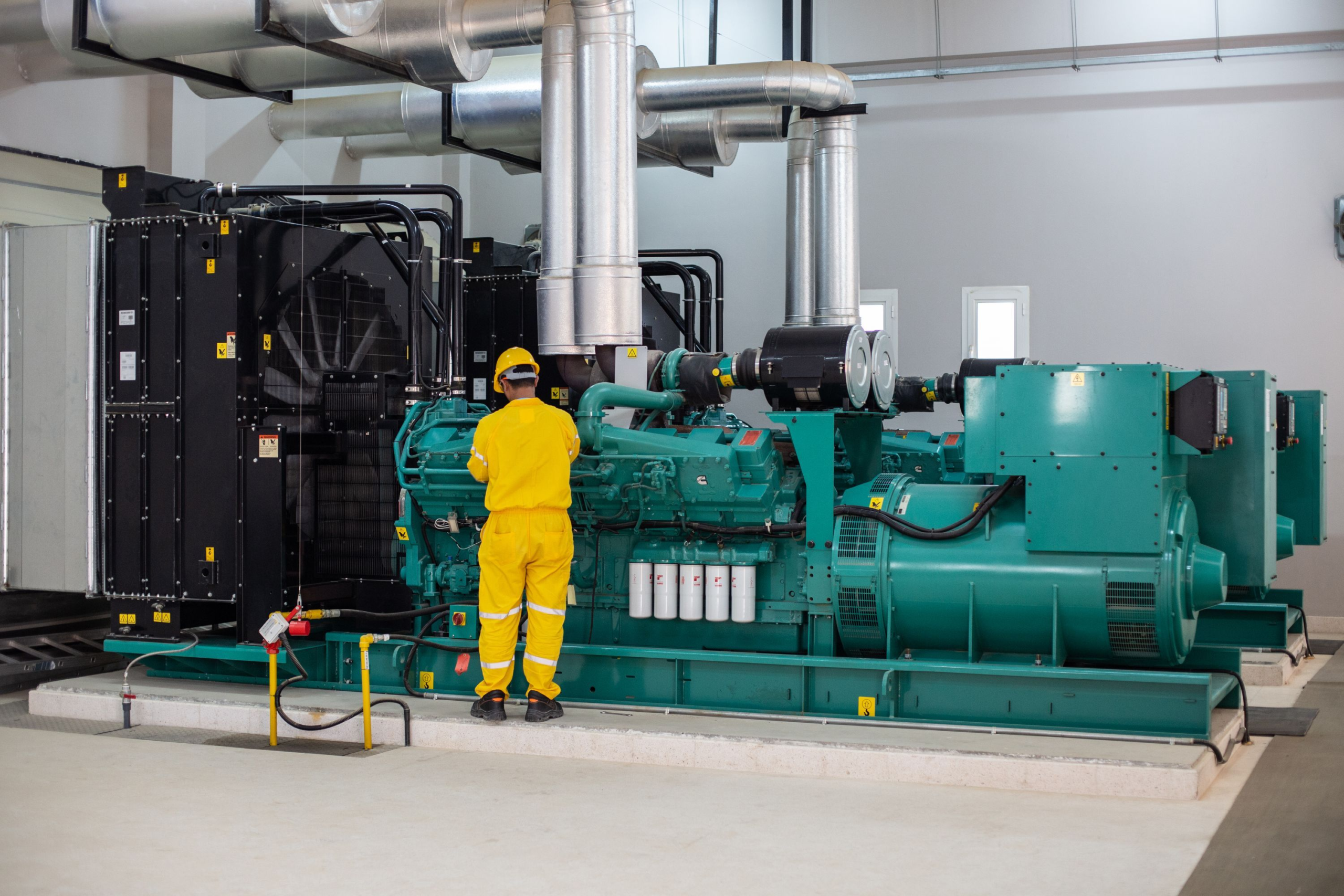
Temporary generators are usually connected through appropriately rated switching, cabling and protection arrangements to supply an isolated group of customers or a particular site while normal network service is unavailable. The installation needs a confirmed load estimate and an assessment of the electrical system it will support. Starting currents from motors, changing customer demand and the intended operating duration influence the generator rating and control configuration selected for a job.
A generator set must also maintain voltage and frequency within acceptable limits as its electrical load varies. If the temporary supply is connected to more than one generator or to another source, operating procedures need to address synchronisation and load sharing. Protection and earthing arrangements must be checked before energisation, and engineers must ensure that equipment cannot inadvertently backfeed circuits on which line workers are operating.
When planned work involves a feeder or substation, the temporary supply arrangement has to be coordinated with the outage sequence. Customers may need a controlled changeover rather than uninterrupted operation, depending on the available switching equipment and site arrangements. Fuel access, security, noise, emissions and access for maintenance can also constrain where hired sets are placed, particularly in built-up areas or at premises with sensitive operating requirements.
SP Energy Networks intends to use HVO instead of conventional diesel within the generator hire programme. HVO is a paraffinic diesel substitute produced by hydrotreating eligible oils and fats, rather than simply filling an engine with untreated vegetable oil. Its suitability for a particular generator depends on the engine manufacturer’s approval, fuel specifications, maintenance requirements and handling arrangements. The announcement does not identify specific generator models or establish that every existing hired set has already switched fuels.
Lifecycle greenhouse gas emissions associated with HVO depend on its feedstock, production process, distribution and sustainability credentials. Combustion still produces carbon dioxide and may produce nitrogen oxides and particulates, even when lifecycle greenhouse gas emissions are lower than those of fossil diesel. The anticipated reduction is the operator’s stated objective; the available material does not contain independently verified fuel use, operating hours or emissions measurements for this four-year framework.
Temporary generator emissions also depend on total running hours and the efficiency at which the set is operated. Equipment selected with too much excess capacity may spend substantial time at low load, while a set that is too small can struggle with transient demand. Matching units to a measured or reliably forecast customer load can help establish suitable operating conditions, although the framework announcement does not provide model-specific efficiency figures or comparative test results.
Supply continuity work requires preparation beyond the equipment itself. Hire contractors may be responsible for delivering generating sets, installing distribution boards and cable connections, carrying out commissioning tests, supplying fuel and attending the installation during an outage. The allocation of those responsibilities varies by call-off contract. No detailed split of equipment, geography or individual order value between the four selected suppliers has been publicly established in the material reviewed.
The programme also has an employment and training component in the locations served by the network operator, according to the published accounts. Any resulting jobs or skills investment will depend on supplier delivery over the contract period. That commercial benefit is separate from the operational requirement to restore or preserve electricity supplies safely during interruptions.
Individual call-offs will establish the equipment and services delivered under the framework as planned outages and fault responses arise. Deployment records, generator ratings, run hours and verified fuel consumption would then allow the operator to assess service continuity and environmental performance against the stated aims. For now, the confirmed event is the appointment of four suppliers and the planned use of HVO across a framework valued at £46m.