IN Brief:
- mBank and Bank Millennium have provided debt financing for Virya Energy’s 135 MWp Żabice photovoltaic project in Poland.
- The solar farm is under construction in Lower Silesia, with the first finance tranche already drawn.
- Virya estimates annual electricity output of approximately 144 GWh once the project is operating; commissioning timing remains a forecast.
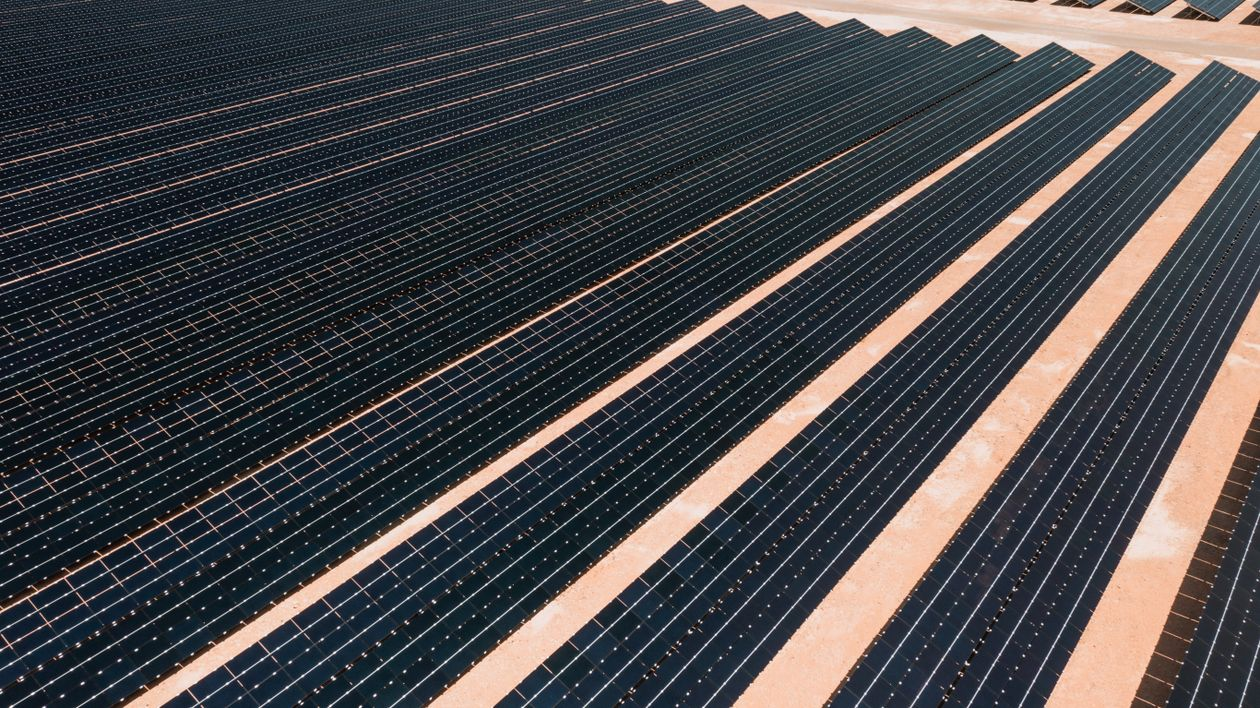
Virya Energy has secured debt financing from mBank and Bank Millennium for its 135 MWp Żabice solar project in Lower Silesia, Poland. The photovoltaic park is already under construction and the first tranche of the financing has been drawn, providing funds for ongoing development and delivery. Announced on 19 October 2026, the transaction is a construction-finance milestone, not a statement that the generating installation has been commissioned or connected for commercial export.
The project is in the municipality of Chocianów. Clyde & Co advised Virya on the financing, while Dentons acted for the two banks; both firms confirmed the agreement on 19 October. The advisers did not publish the value of the total debt facility or its interest terms. Virya says the financing allows it to maintain payments to module suppliers and the general contractor as construction progresses. A first drawdown provides committed working funds, but does not by itself establish that the full solar park is mechanically complete.
Virya estimates that Żabice will generate about 144 GWh of electricity annually after commissioning. That figure is an energy-yield projection, distinct from the 135 MWp peak direct-current rating of its photovoltaic modules. The MWp rating is measured under standard test conditions and does not specify the alternating-current export limit. Insolation, panel temperature, inverter loading, cable losses, grid constraints and maintenance all affect actual output, so the first year of measured production could differ from the estimate.
Photovoltaic modules generate direct current when sunlight reaches their semiconductor cells. Inverters convert that output into grid-synchronised alternating current and control export within the operating limits of the connection. Transformers, switching equipment and protection systems then provide the required electrical interfaces to the network. The project announcements do not name the inverter supplier, provide the permitted AC connection rating or report successful grid commissioning, so those details cannot be inferred from the DC nameplate figure.
A large solar project commits expenditure on modules, supports, civil works, electrical balance of plant, transformers, cabling and grid infrastructure before its first commercial electricity revenue arrives. Construction lending bridges that period and can be released in tranches when contractual conditions are met. Żabice’s first disbursement is therefore evidence of financing being deployed into an identified project, rather than only a lender expression of interest. It does not eliminate remaining equipment, scheduling or grid-connection risks.
Electrical completion and operation require separate tests. The project must finish module string installation, cable and inverter checks, protection configuration, metering and any inspections required at the point of connection. Commissioning must establish that the plant responds correctly to electrical faults and voltage or frequency conditions set by the network operator. None of those tests is reported as complete in the October financing statements, and construction activity should not be presented as commercial generation.
Public sources give different operating forecasts. Dentons expects the plant to come online in the second half of 2027, whereas contemporary reporting citing Virya puts the target at April 2027. Both remain forward-looking statements, and the discrepancy should be left visible rather than combined into a seemingly agreed month. The confirmed milestone is the financing and initial drawdown; operation is still expected during 2027 and subject to construction and connection progress.
Virya acquired Żabice in late 2025 in a transaction involving developer AP OZE and asset manager Ergy. The new financing follows that earlier ownership transfer and current construction activity; these are separate stages in the project’s development. Virya also holds operating wind assets in Poland, but their output and grid arrangements are not evidence of Żabice’s commissioning. Each generating site has its own technical acceptance and network interfaces.
The company describes its projected 144 GWh annual output as equivalent to the electricity demand of approximately 79,000 Polish households. That is a comparison using assumed household consumption, not a claim that those homes have a dedicated physical connection to Żabice. Electricity from the completed solar park would be exported into the wider system and settled through the applicable market and balancing arrangements. The estimate will have to be assessed against measured performance after the plant enters operation.
Solar-farm performance after commissioning depends on keeping DC strings functioning within electrical and thermal limits, managing soiling and shading, monitoring inverter availability and maintaining the grid-connection equipment. Ongoing losses and weather variability influence yield even when the installed capacity is unchanged. The financing package has not disclosed a guaranteed annual energy volume, a fixed realised electricity price or acceptance-test results for the project.
With construction under way and its first debt tranche drawn, Żabice has passed an important funding stage without yet reaching the grid-export milestone. The next verifiable developments will be completion of electrical works, network commissioning and the commencement of measured generation. The 135 MWp installed target and 144 GWh forecast should remain identified as project specifications and estimates until those steps occur.