IN Brief:
- RWE’s Düren-Merken project specification states 13.6 MW, rounded to approximately 14 MW in its commissioning announcement.
- The electricity equivalent for around 9,000 households is an annual estimate, not recorded operating output.
- Participation payments shared by four municipalities depend on energy produced and could total up to roughly €50,000 annually.
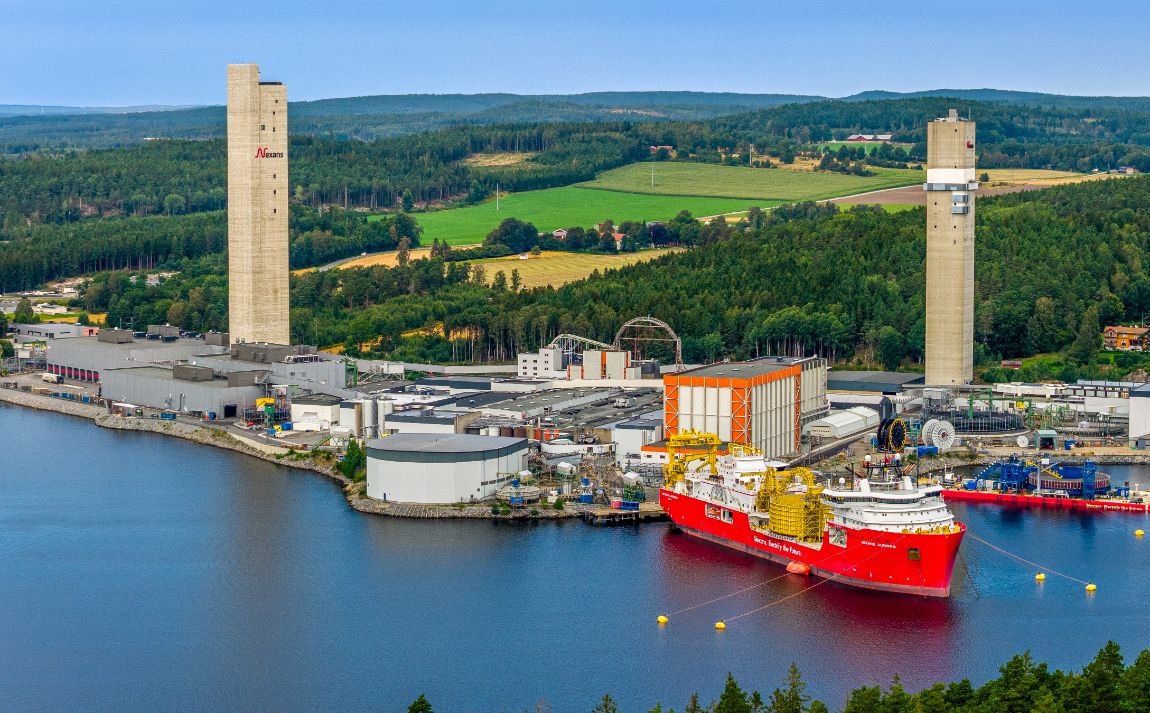
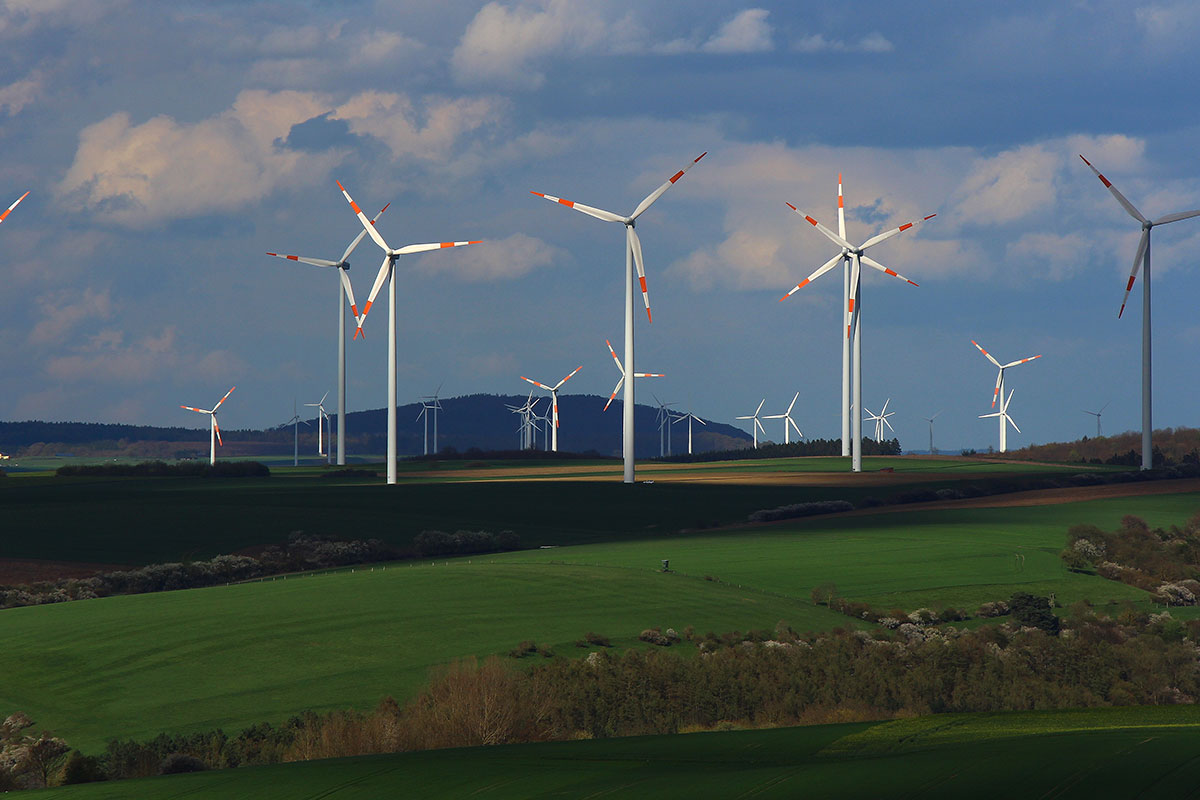
RWE has brought its Düren-Merken wind park into operation beside the Inden opencast mining area in Germany’s Rhineland. Two turbines provide a combined installed rating of 13.6 MW, given as approximately 14 MW in RWE’s 15 October commissioning announcement. Building work began early in 2026 and was completed in around nine months. The turbines have entered service; the approximate figure in the announcement does not represent an additional increment of capacity above the 13.6 MW project specification.
The wind park occupies agricultural land between Inden and the Düren-Merken area. Each turbine is in the roughly 7 MW class, giving the development more capacity from two machines than would be available from a larger number of older, lower-rated units. The operator has not disclosed an independently verified annual generation total or a measured capacity factor for the newly commissioned installation.
RWE estimates that the wind park’s annual production will be equivalent to the electricity consumed by around 9,000 households. It is an indicative comparison based on anticipated generation, not an independently measured total since commissioning and not a commitment to supply the same homes directly. The electricity produced over a year will vary with wind conditions, turbine availability and operating instructions, while local household demand follows a different daily profile.
Site construction was announced in March 2026, when access tracks and crane areas had been prepared and contractors were beginning foundation excavations. The October announcement establishes a separate, later milestone: physical construction has been completed and both turbines are operating. The company has not supplied measured first-month output or the electrical export design in the commissioning release, including any definitive collector circuit and transformer specifications.
Power from utility-scale wind turbines is produced by generators driven through the turbine drivetrain or, in some designs, directly by the rotor. Power electronics and transformers then condition its voltage and electrical characteristics for connection to the distribution or transmission system. Output is limited by the available wind resource and the machine’s rated capacity; 13.6 MW denotes peak installed capability rather than constant delivery.
Düren-Merken extends the developer’s generating fleet in the Rhenish mining region. In August 2025, RWE commissioned the six-turbine Aldenhoven wind park near Inden, with an installed capacity of 34.2 MW. The two sites are distinct assets with separate construction and commissioning milestones, even though they contribute to the same regional transition away from the established lignite generation landscape.
RWE says its operating and developing wind and solar portfolio in the Rhenish region totals around 600 MW. That portfolio figure includes projects at different stages and should not be interpreted as 600 MW of newly commissioned generation. By contrast, the Düren-Merken announcement concerns two turbines that have now entered operation and can produce electricity as weather and grid conditions allow.
The project sits on agricultural land in an area where the established lignite mining economy and its electricity infrastructure are being reshaped. Wind farm foundations, cable corridors, turbine clearances and service tracks have to be incorporated into that landscape, allowing the equipment to be maintained without treating the wider mining estate as a new generating asset. The confirmed addition is the Düren-Merken wind park itself, rather than an increase in the capacity of every other RWE project in the region.
Local authorities have a direct, variable financial interest in the wind park’s electricity generation. Under the participation arrangements described by RWE, Düren, Inden, Langerwehe and Niederzier can share payments of up to approximately €50,000 annually. Those are potential receipts tied to electricity actually produced; the quoted amount is neither a guaranteed annual distribution nor income already received in a complete operating year.
In the underlying scheme described when construction began, RWE referred to voluntary payments of 0.2 euro cents for each kilowatt-hour produced. Such arrangements establish a measurable link between local payments and generation, although they are separate from grid revenues, power purchase agreements and the technical performance of the equipment itself. No specific annual output guarantee has been disclosed.
From commissioning onward, production will also depend on routine turbine inspection, drivetrain and generator availability, converter operation, pitch control and network dispatch conditions. A turbine’s rated megawatt capacity gives its maximum electrical output under specified conditions, but does not state the energy generated over a month or year. Maintenance schedules and curtailment requirements can alter the yield and, consequently, the amounts distributed through the output-linked municipal scheme. No project-specific fault, curtailment or downtime figure has been announced.
Düren-Merken now adds operating wind capacity alongside existing renewable developments in the Rhineland. RWE’s forecast of electricity equivalent to around 9,000 households and its forecast municipal contribution remain estimates until actual generation establishes an operating record. The verified October milestone is the commissioning of two turbines totalling 13.6 MW, with subsequent production determining the realised electricity and participation payments.