IN Brief:
- Trina Storage will supply its Elementa 2 Pro battery system for Nozomi Energy’s 50 MW/196 MWh Nozu project in Oita Prefecture.
- Nozomi reached financial close in September using non-recourse financing from Aozora Bank, before announcing the latest equipment supply selection.
- Nozu has a 20-year inflation-linked capacity payment under Japan’s FY2023 Long-Term Decarbonisation Auction and is targeting Q3 2028 completion.
Trina Storage has been selected to supply the battery energy storage system for Nozomi Energy's 50 MW/196 MWh Nozu development in Japan's Oita Prefecture. The contract covers Trina's Elementa 2 Pro equipment, with project completion planned for the third quarter of 2028. The appointment identifies the battery technology for an installation that reached financial close in September, rather than announcing a second financing transaction.
The AEJ Nozu project is located in Nishihata, Nozu Town, within Usuki City. Nozomi Energy, a renewable infrastructure platform backed by Actis, is developing the facility under a long-term capacity arrangement awarded through Japan's FY2023 Long-Term Decarbonisation Auction. Aozora Bank supplied non-recourse project financing, which Nozomi announced on 14 September.
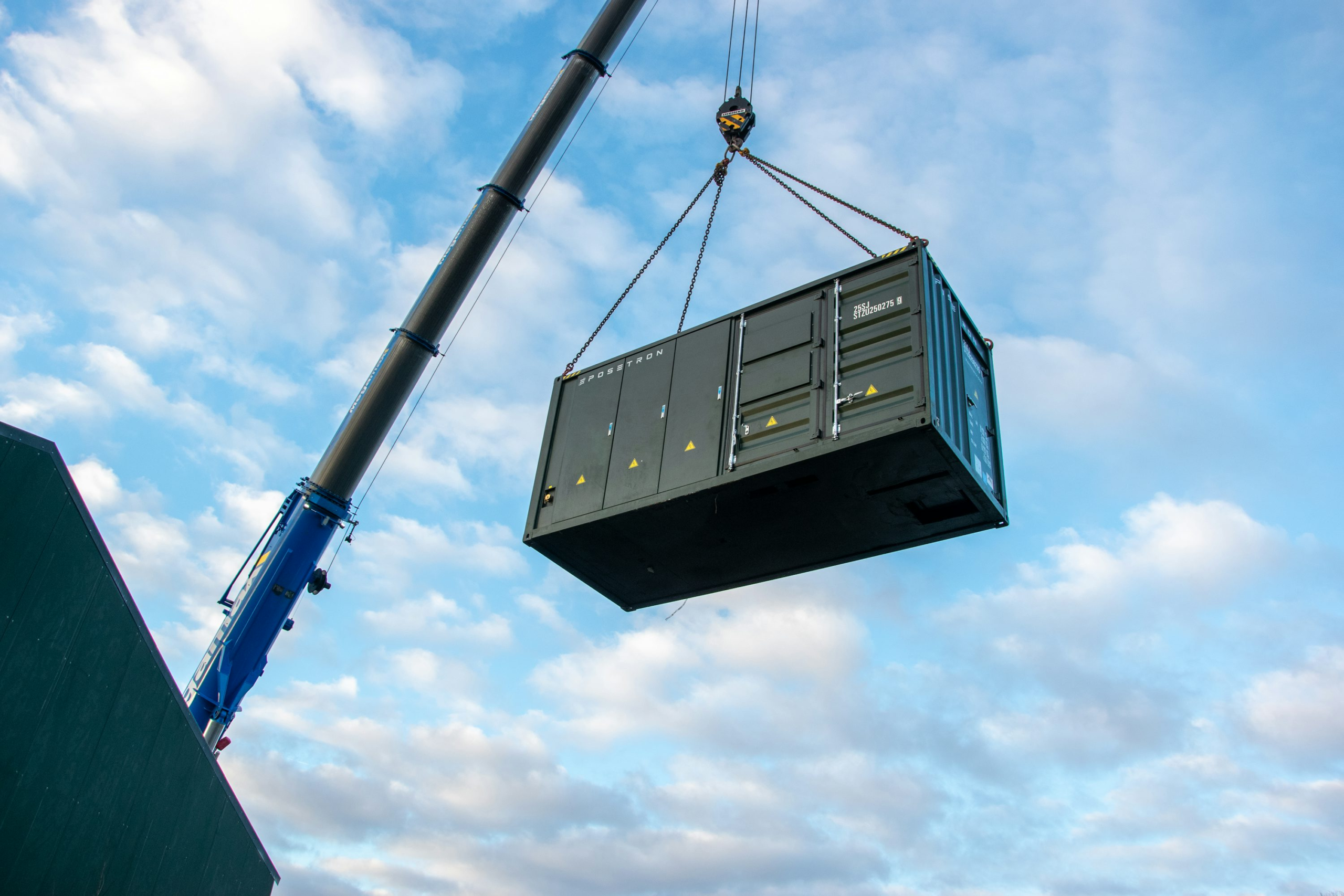
Trina Storage's October announcement names the Elementa 2 Pro 5 MWh battery system as its selected technology. It does not specify the precise number of containers required, the final electrical configuration or the supplier responsible for all civil and grid connection works. The 196 MWh figure describes the overall planned project energy capacity, rather than the capacity of one unit of equipment.
Nozu's rated output of 50 MW and its energy capacity of 196 MWh correspond to a nominal discharge duration of 3.92 hours at maximum power. Usable delivery at the network connection will depend on the completed system's operating limits, auxiliary loads and conversion losses. The figures do not imply that the installation can produce 50 MW continuously without being recharged after its available energy is exhausted.
Elementa 2 Pro is a modular, liquid-cooled utility-scale storage platform incorporating lithium iron phosphate cells and battery management equipment. Individual cells are assembled into larger electrical units with monitoring of voltage, temperature and other operating parameters. The system must keep these conditions within the manufacturer's permitted limits while receiving charging and discharging instructions from the plant controls.
Liquid cooling helps manage temperature differences that arise during operation. Battery performance, allowable power and ageing can all be affected by thermal conditions, making monitoring and cooling functions an integral part of the installation. These systems cannot remove the need for maintenance or establish the lifetime of the Nozu battery without evidence of its actual operating profile and the final contractual guarantees.
The storage units operate electrically on direct current. To exchange electricity with Japan's alternating-current grid, the facility will require power conversion equipment, transformers, cables, switchgear and protective relays. The precise allocation of this electrical balance of plant among contractors has not been disclosed, and the appointment should not be presented as confirmation of a particular inverter supplier or connection voltage.
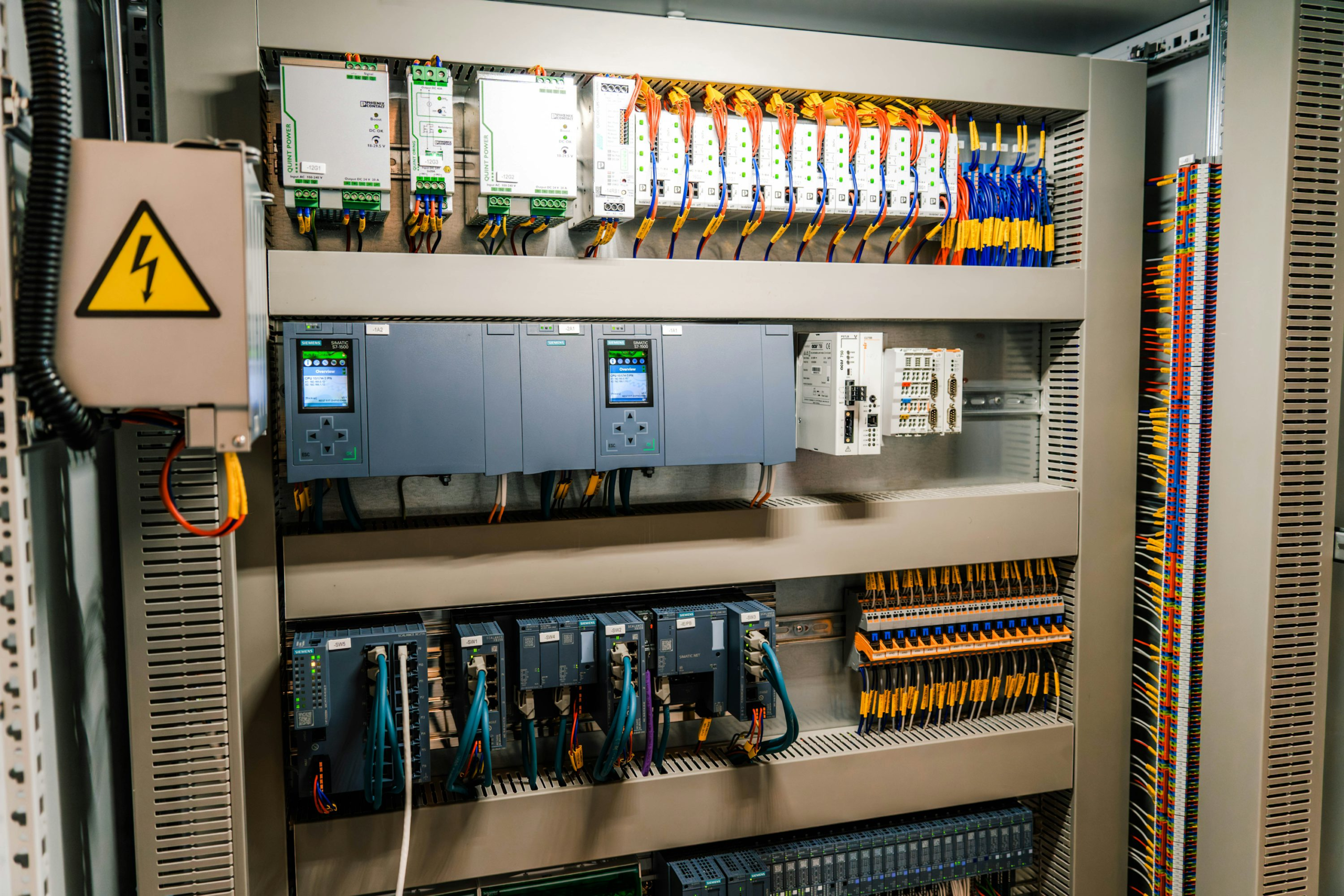
A utility-scale battery also needs a supervisory control arrangement capable of coordinating its equipment with the network requirements. The plant controller must manage power commands within the available battery state of charge, while protection systems isolate faults and ensure electrical equipment remains within permitted operating conditions. Commissioning will have to test these interfaces alongside the individual battery systems before the project can enter service.
The four-hour-class duration allows the installation to shift energy between periods of different electricity demand and generation, provided sufficient charging opportunities exist. Depending on market rules and technical qualifications, batteries can also deliver eligible balancing services. Nozomi has not disclosed the final operating strategy or contracts for these services, so the project cannot yet be assigned a guaranteed revenue contribution from any particular dispatch product.
The more clearly established revenue element is Nozu's award under the FY2023 Long-Term Decarbonisation Auction. Nozomi says the project has a 20-year capacity payment linked to the consumer price index. Capacity remuneration supports the availability of qualifying electricity resources under specified arrangements; it should not be equated with payment for every megawatt-hour the battery might charge or discharge through energy trading.
Construction will also be governed by the technical and contractual obligations associated with that capacity award. Battery availability, grid connection timing and performance requirements can affect when the completed facility begins fulfilling its contracted commitments. The auction award provides commercial support, but does not mean the project is already operational or that its acceptance testing has been completed.
Nozomi expects construction to begin shortly after its September financing milestone and is targeting completion during the third quarter of 2028. The supply selection is a new delivery decision within that existing programme. It does not alter the disclosed planned power and energy ratings, financing provider or expected completion quarter.
Trina Storage has been expanding its Japanese project activity and has separately announced a 160 MWh supply project in Kyushu. It also signed a memorandum of understanding in September covering approximately 1 GWh of potential Japanese battery developments using newer equipment. Those are separate arrangements and should not be counted as additional Nozu capacity or treated as identical contractual commitments.
Equipment manufacture, delivery and integration will need to align with civil construction and the site's electrical connection works. Commissioning must establish the behaviour of the combined battery, conversion, control and protection systems under their permitted operating conditions. The completion target remains the third quarter of 2028, with the exact energisation and start of commercial capacity obligations yet to be confirmed.