IN Brief:
- American Electric Power plans approximately $4 billion of investment in a 702 MW fuel-cell generation facility near Cheyenne, Wyoming.
- Google has a 20-year power purchase agreement with Cheyenne Fuel Cell, LLC, which is approximately 92% owned by AEP.
- The Bloom Energy technology generates electricity without fuel combustion, while carbon capture remains a proposed component and full operation is targeted for late 2028.
American Electric Power (AEP) plans to develop a 702 MW fuel-cell generating facility near Cheyenne, Wyoming, under a 20-year power purchase agreement with Google. The utility group expects to invest approximately $4 billion in the project, which will use Bloom Energy technology to supply a substantial new electricity demand requirement in the Cheyenne area. Construction is planned to start during 2026, with full operation targeted by the end of 2028.
The development will be held through Cheyenne Fuel Cell, LLC, a project company approximately 92% owned and controlled by AEP, with the remaining interest held by funds advised by Basalt Infrastructure Partners. Google is the contracted purchaser of electricity under the long-term agreement, rather than the announced owner of the generating facility. Financial terms beyond the proposed investment value and contract length have not been disclosed.
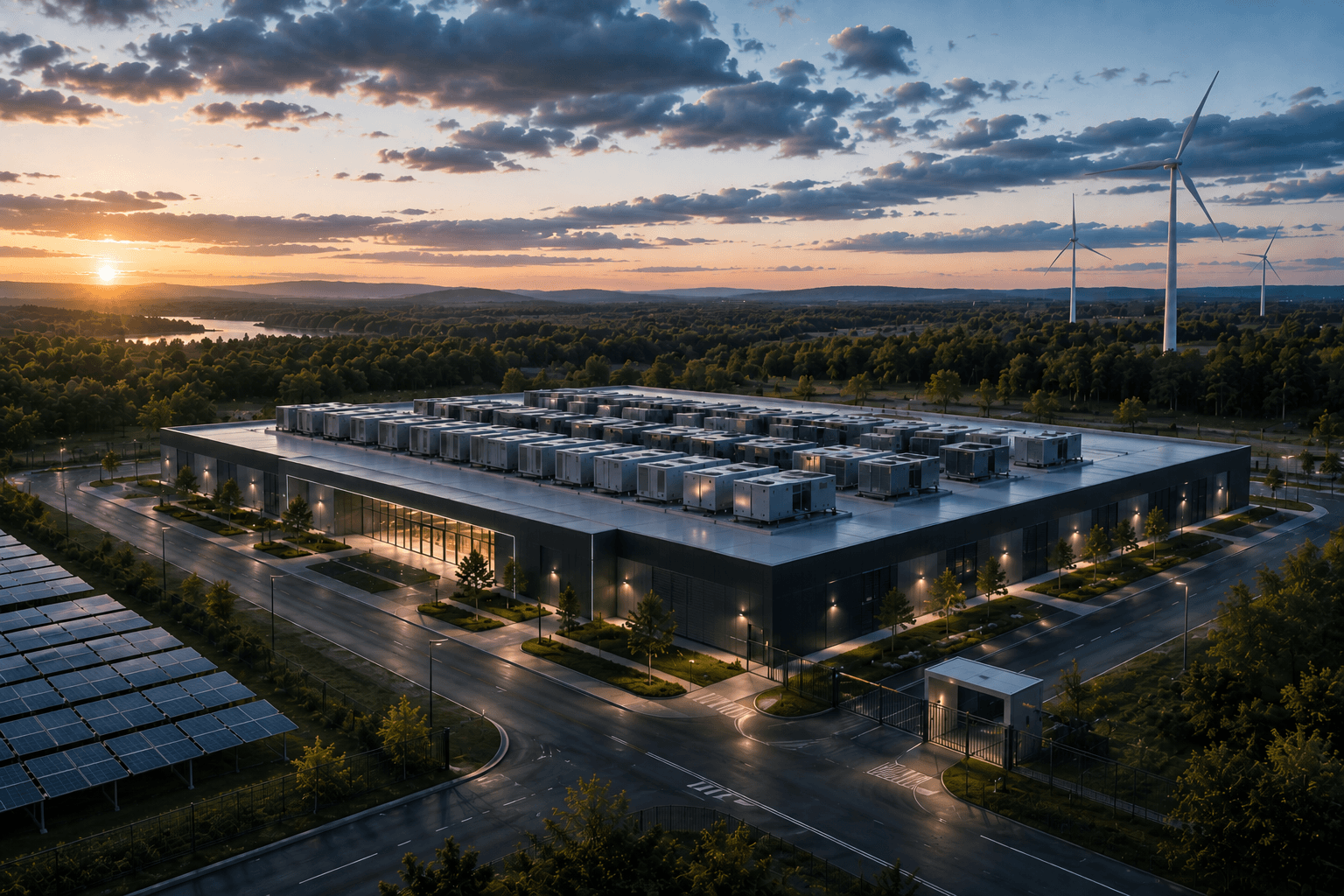
AEP describes the project as a means of serving large electricity customers beyond its traditional regulated utility territory. The equipment will provide generation for Google's expanding operations near Cheyenne, where substantial computing loads require electrical infrastructure capable of supporting continuous demand. The announcement follows separate arrangements between Google and Black Hills Corporation effective from 30 September, but does not establish that the projects share a single electrical connection or operate as one generating system.
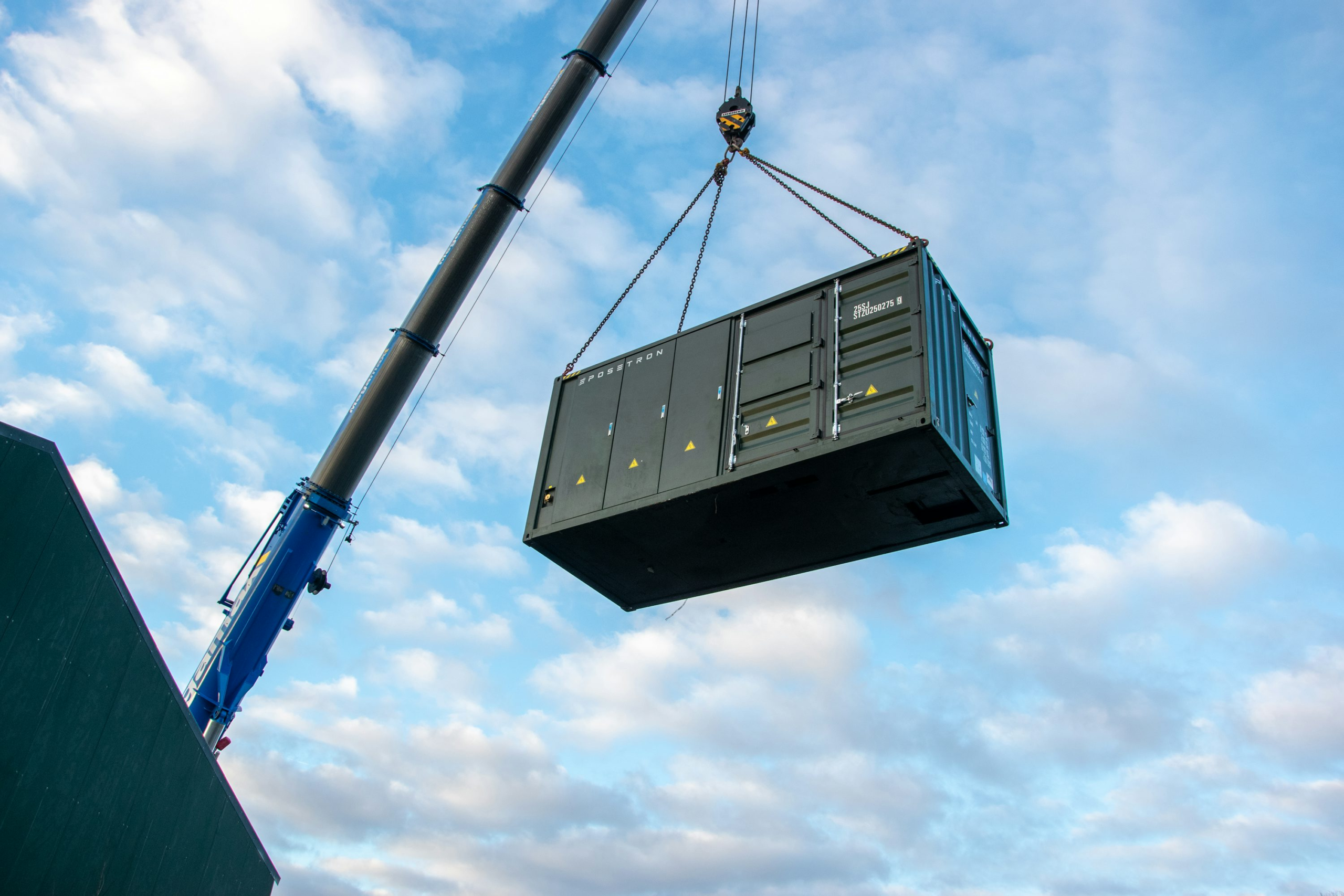
Bloom's solid oxide fuel-cell technology converts chemical energy into electrical energy through an electrochemical reaction rather than the combustion used by conventional gas engines and turbines. The generating equipment produces direct current, which is converted to alternating current for delivery to the receiving electrical system. A complete installation also requires fuel supply, thermal management, electrical protection, controls and appropriately rated switching and transformation equipment.
Because a natural-gas fuel cell does not burn fuel in a flame, its operating characteristics differ from those of a gas-fired combustion plant. That does not make the electricity inherently carbon-free. Carbon dioxide can arise from the conversion of the fuel, and the emissions associated with upstream gas production and transport remain relevant to an overall assessment. AEP says the project includes plans to integrate carbon capture technology, but no capture installation, efficiency figure or verified operational emissions result has been announced.
AEP's stated goal of near-zero-emissions output consequently remains a project objective. The ability to collect and manage carbon dioxide depends on the final process design, the capture system selected and the treatment or destination of recovered gas. Additional equipment can introduce energy consumption and maintenance needs of its own. It would be premature to calculate the project's net carbon intensity or describe the proposed power supply as zero-emission from the information released.
The 702 MW power rating describes planned generating capacity, rather than an amount of energy stored or a guarantee of output in every hour. Fuel-cell generation can sustain electricity production while suitable fuel and supporting equipment remain available, subject to maintenance and operating restrictions. AEP has not published the proposed count of individual fuel-cell units, their electrical ratings or the availability guarantees contained in its agreement with Google.
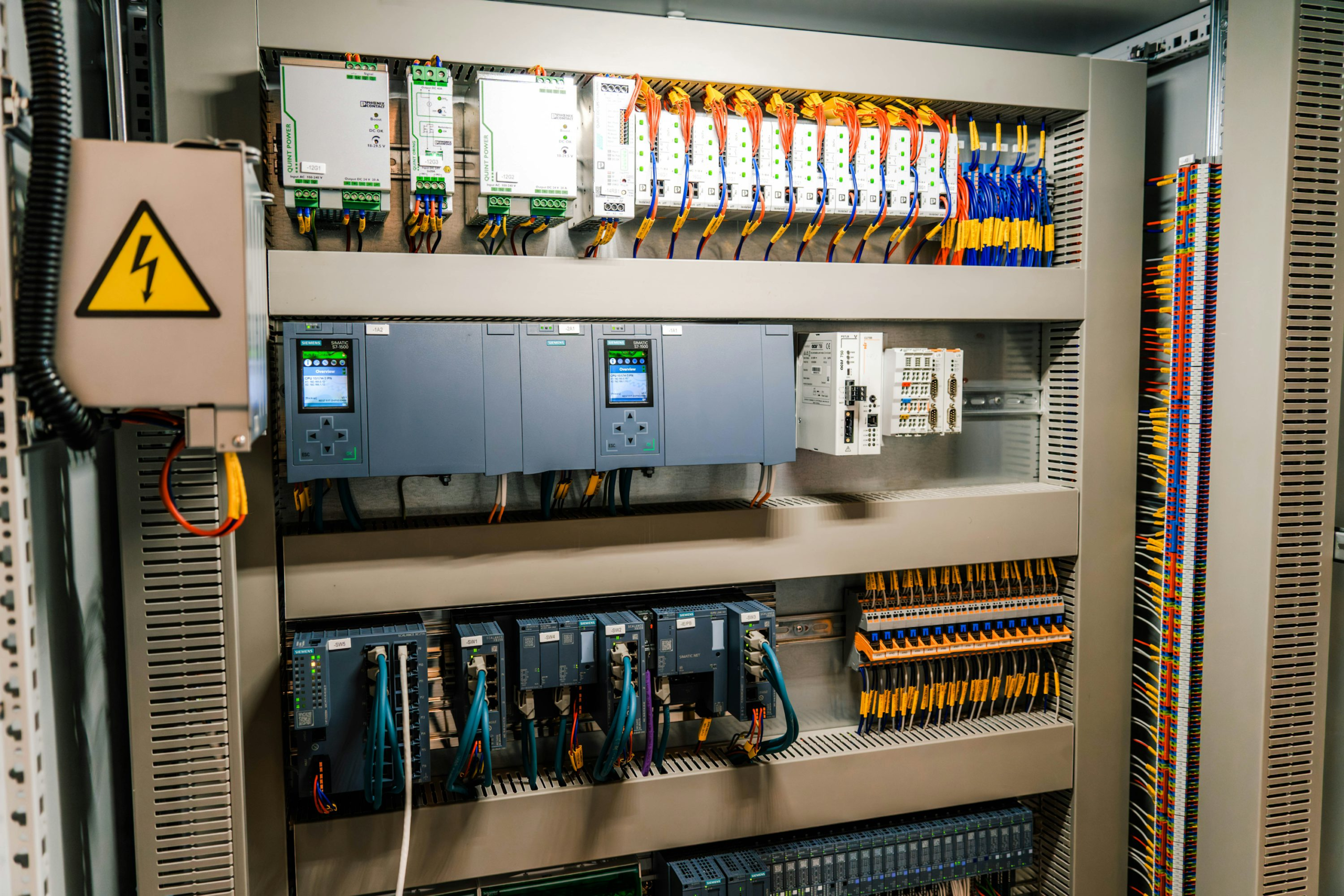
Integration with a large data-centre demand profile requires coordination at the electrical interface. Inverters must convert and regulate power from the fuel-cell assemblies, while transformers, switchgear and protective relays must be designed for the voltage and fault conditions at the connection point. Supervisory controls must respond to load changes without exceeding the operating constraints of the generation system. AEP has not provided the connection voltage, network topology or detailed plant configuration.
The 20-year power purchase agreement establishes a long-term relationship for electricity supply, but its commercial structure should not be mistaken for a complete description of physical network operations. The plant may need to operate alongside grid connections and other sources of resilience, depending on the final system design. The announcement does not say that Google will be electrically isolated from the wider network, nor that existing backup generation or uninterruptible power systems will be removed.
Data-centre loads create particular challenges because the loss of a major supply component can affect large amounts of demand at once. Reliable operation therefore depends on the complete electrical architecture, including redundancy, protection coordination, switching and any separately contracted supplies. The fuel-cell agreement identifies a new source of planned power, not the finished reliability design for every Google facility that may receive it.
Bloom Energy has previously entered into wider fuel-cell supply arrangements with AEP. The Cheyenne announcement identifies a specific 702 MW application within that relationship, with a named electricity purchaser and project ownership structure. It should not be added to the total of previous broad equipment framework announcements without confirming whether the capacities overlap.
The proposed programme now moves towards site work, generating equipment procurement and installation, followed by testing of its electrical and fuel systems. Carbon capture integration remains a stated intention rather than a completed facility. AEP's current timetable places full operation at the end of 2028; until construction and commissioning are finished, the 702 MW is planned generation capacity, not electricity already being delivered under the Google agreement.