IN Brief:
- Ares Infrastructure Equity funds have acquired a significant minority interest in Statera Energy’s 1.9 GW UK flexibility portfolio.
- Carrington’s 680 MW battery is under construction, while Thurrock includes an operating 300 MW battery and a 450 MW engine plant progressing through commissioning.
- Statera will retain ownership and operational management, with the transaction’s valuation and precise equity percentage undisclosed.
Statera Energy has agreed a significant minority investment by funds affiliated with Ares Management in a portfolio representing approximately 1.9 GW of UK battery storage and flexible electricity generation. Statera will continue to own, operate and manage the assets, while Ares Infrastructure Equity joins as a long-term investment partner. The value and exact size of the interest have not been disclosed.
The transaction marks Ares Infrastructure Equity's first European investment and covers assets at different delivery stages. Named examples include Carrington Storage in Greater Manchester, rated at 680 MW, and the 750 MW Thurrock Flexible Generation development in Essex. The 1.9 GW figure is the portfolio's combined power rating, not the amount of electricity stored or a measure of fully commissioned capacity.
Statera and Ares describe the investment as involving an operational portfolio. However, Statera's current project register identifies Carrington Storage and Thurrock Power as under construction, while the battery installation at Thurrock is operational. The investment therefore should not be interpreted as confirmation that every component of the named portfolio has completed commissioning.
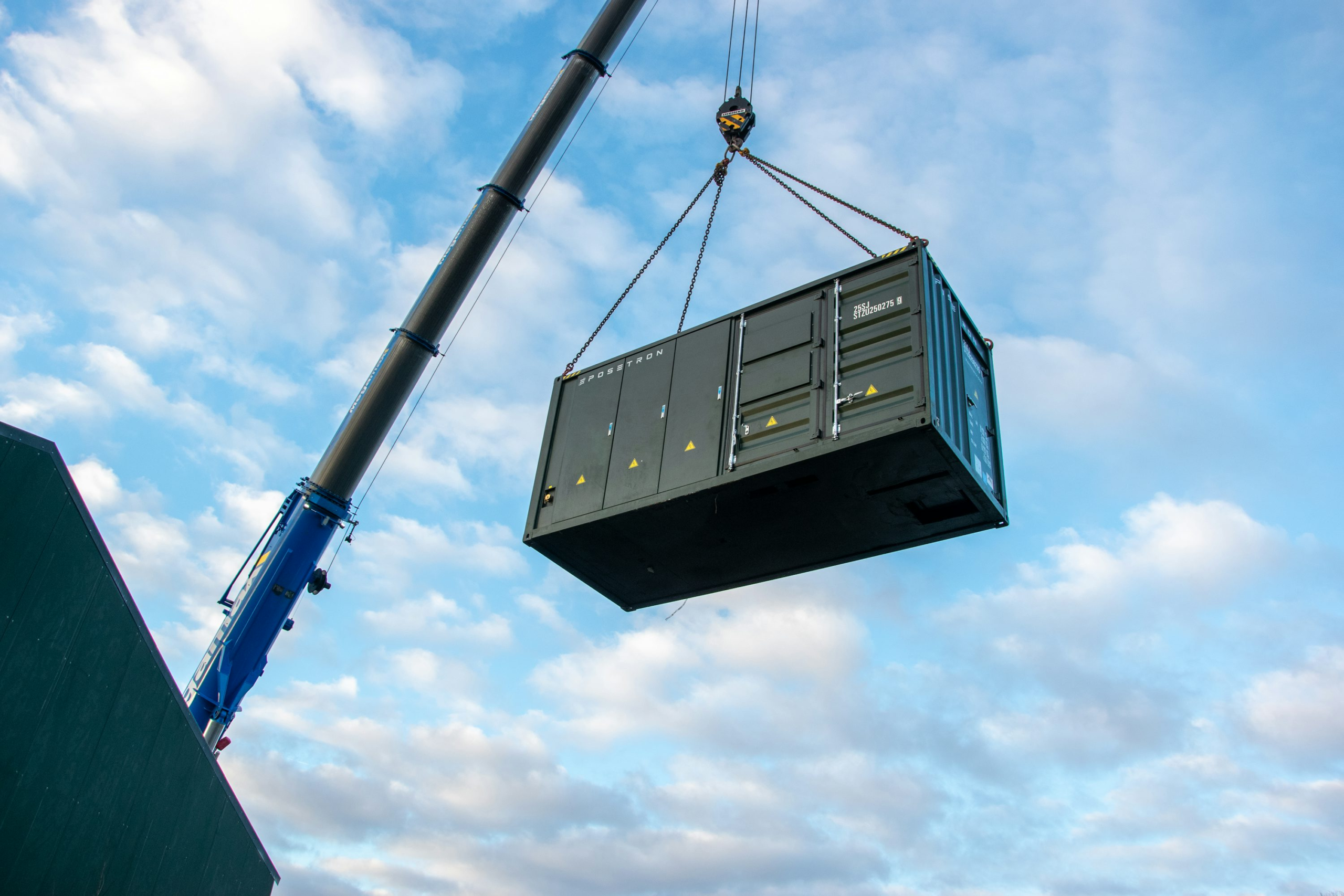
Carrington is being constructed at Trafford Low Carbon Energy Park with a planned battery rating of 680 MW/1,360 MWh. Statera announced financial close in November 2025 and reported construction already under way, with energisation targeted for late 2027. The new Ares announcement does not change that timetable or represent a fresh order for the battery equipment or construction contractor.
The Carrington power and energy figures correspond to a nominal two-hour discharge duration at maximum rated output. Megawatts describe the rate of electricity delivery; megawatt-hours describe how much can be stored. Delivered energy will depend on usable state of charge, power conversion losses and plant operating restrictions. The installation will also need its transmission connection, protection and control systems tested before regular dispatch is possible.
Thurrock brings together a battery and gas-fired generation equipment at a former power generation location near Tilbury. Its 300 MW/600 MWh battery entered operation in August 2025, while the separate 450 MW engine-based plant achieved its first engine firing in May 2026 and began phased commissioning. Statera's current project listing still labels Thurrock Power as in construction, notwithstanding an overview page that describes the development more broadly as operational.
The two technologies have different operating characteristics. Thurrock Storage can change its electrical power through bidirectional converters, but a full-rated discharge is constrained by the energy stored in the batteries. The adjacent engine plant can generate electricity while fuel and equipment remain available, although its start-up time, mechanical operating limits and emissions profile differ from those of the storage equipment.
Statera specifies a series of reciprocating generating engines at Thurrock Power, with the project designed to reach full output in less than eight minutes. Battery storage can respond faster to many power instructions, whereas dispatchable engine generation can support longer shortages of renewable output. The company's site information describes the combined development as 750 MW of capacity, but the two assets should not be presented as if all that power is available under identical operating conditions.
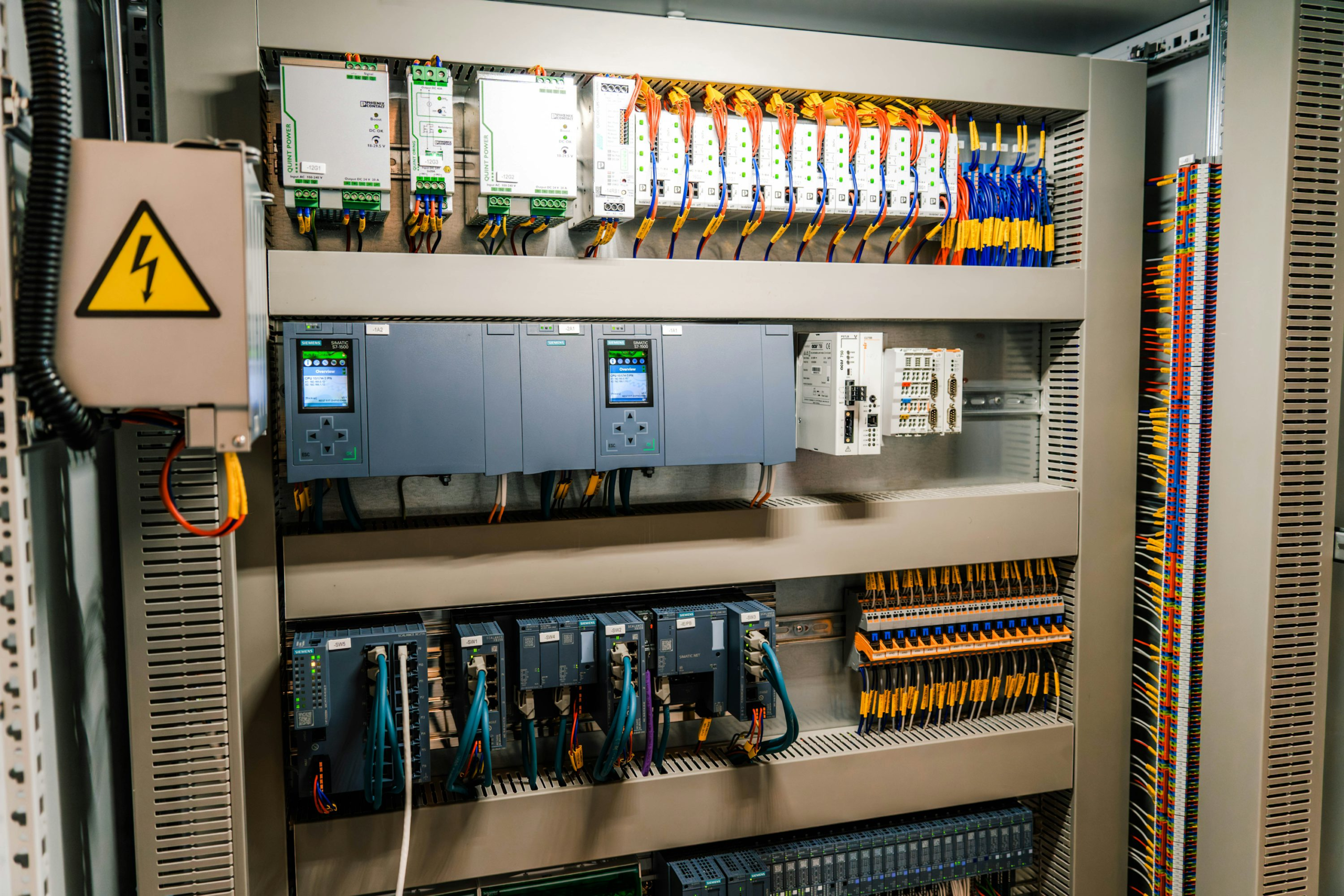
Both types of plant depend on substantial electrical interfaces. Batteries need converters to exchange power between direct-current cells and the alternating-current grid, while engine-driven generators produce alternating-current electricity through rotating machines. Transformers, switchgear, metering, protection systems and site controls ensure each installation operates within its connection conditions. An investment in the ownership vehicle does not itself commission these systems or increase their rating.
The portfolio investment provides an additional source of equity capital to support Statera's development programme. It differs from project debt used to finance specific construction work, because a minority shareholder participates in the ownership structure rather than lending against a prescribed repayment schedule. The companies have not disclosed the distribution of proceeds, rights attached to the minority interest or whether funds are earmarked for individual projects.
Ares's involvement also differs from a direct acquisition of Carrington or Thurrock as standalone facilities. Statera remains the owner and operator, and there is no announcement that the contractual responsibilities for construction, maintenance or electricity market participation have transferred to Ares. Existing connection agreements and the operating requirements of the projects are separate from the equity transaction.
The 1.9 GW portfolio total combines completed electrical installations with facilities still under construction. A megawatt of operational battery capacity has an established connection and tested electrical system; a megawatt under construction still carries procurement, commissioning and energisation requirements. Combining their ratings is useful for describing investment exposure but does not establish the amount of power immediately available to the network.
Batteries can store electricity for later discharge and participate in eligible balancing services, while flexible generating plants can provide output during sustained periods when wind and solar production is relatively low. The availability of each service depends on technical qualification, fuel or stored energy, market commitments and equipment condition. No new dispatch or offtake contract was announced with the Ares investment.
Statera reports a development pipeline of more than 16 GW across batteries, flexible generation and other technologies. Its objective is to deliver 7 GW of flexible capacity by 2030, although the latest announcement does not identify which schemes will receive funding from the transaction or provide a revised construction schedule. The wider pipeline includes projects that remain in development and cannot be counted as connected capacity.
Ares joins the portfolio during a period when the identified assets require different levels of operational and construction management. Thurrock Storage has been energised, Thurrock Power has been progressing commissioning, and Carrington is still being built. The investment adds a long-term equity partner without altering those physical stages; the next engineering milestones will remain completion, connection and operational acceptance at the unfinished facilities.