IN Brief:
- Stella has entered operation near Dynín with 51,636 photovoltaic modules and a precise installed rating of 36.7 MWp.
- Bifacial modules and single-axis tracking are incorporated in a plant forecast to generate 47.2 GWh a year.
- An industrial power purchase agreement with BENTELER underpins a project Enery developed and built without subsidies.
Enery has commissioned the Stella photovoltaic installation at Dynín in South Bohemia, Czechia, bringing 36.7 MWp of new solar capacity into operation. The plant comprises 51,636 modules and is expected to produce approximately 47.2 GWh of electricity annually, with its generation supported by a long-term power purchase agreement with automotive supplier BENTELER.
Stella is the first photovoltaic plant in the company's Czech portfolio that Enery has developed and built through the complete project process itself. The site, located alongside a motorway, was inaugurated on 13 October. It has been constructed without subsidies, according to the Czech Solar Association, and uses bifacial photovoltaic modules mounted on single-axis tracking structures.
The precise installed rating of 36.7 MWp appears in the association's project information, while some reporting rounds the figure to 37 MWp. These are two presentations of the same capacity, not different construction phases. Enery forecasts annual generation equivalent to the reference electricity consumption of around 15,700 Czech households, although the electricity is supplied through commercial market arrangements rather than a dedicated connection to those homes.
Bifacial modules can generate electrical energy from light reaching both their front and rear surfaces. The amount reaching the rear depends on reflected light from the ground, the height and spacing of the panel rows, and surrounding shading. Module orientation and the appearance of the ground therefore influence performance alongside the irradiance falling directly onto the front surfaces.
The tracking equipment allows the panels to change their position as the sun moves across the sky. Single-axis trackers normally rotate around one mechanical axis rather than following both the horizontal and vertical position of the sun independently. Their controls must balance improved solar exposure against the constraints imposed by row spacing, tracker travel and weather conditions, including wind loading.
The combination can increase production under suitable site conditions, but neither bifacial modules nor trackers guarantee a fixed improvement over stationary panels. Motors, bearings and position controls introduce maintenance requirements, while the structural design must withstand the environmental loads at the site. Enery has not published a measured comparison between Stella and a fixed-tilt installation operating under the same conditions.
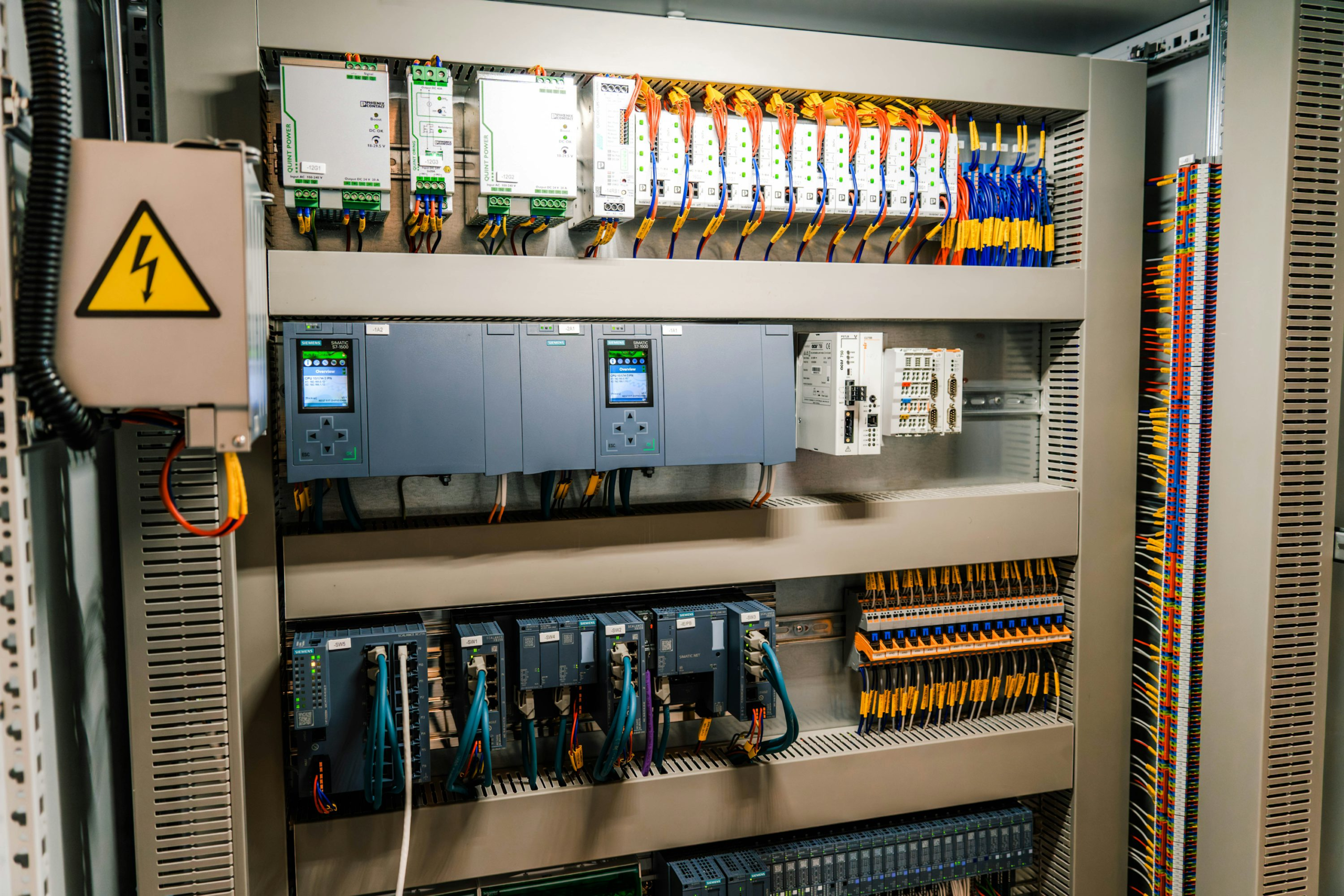
Photovoltaic modules produce direct-current electricity that varies with sunlight and module temperature. Inverters convert this into alternating current for the plant's electrical collection system and eventual export to the distribution network. Transformer and protection equipment provide the interfaces necessary for safe operation, while supervisory controls monitor power output and respond to network requirements. The association confirms that Stella is monitored and controlled digitally.
The 36.7 MWp figure is a nominal module rating measured under standard test conditions. It is not a continuous output commitment. The forecast of 47.2 GWh relates to electricity expected over an entire year and is affected by seasonal sunlight, weather, equipment availability and losses in the conversion and electrical systems. The plant's installed alternating-current inverter rating and specific grid connection voltage have not been disclosed in the announcement.
BENTELER's long-term power purchase agreement gives the project a commercial customer for its renewable electricity. An industrial PPA can provide a mechanism for purchasing generation from an identified source, with the contractual delivery and settlement arrangements determined by its terms. The existence of this agreement should not be interpreted as a dedicated cable linking Stella directly to BENTELER's manufacturing premises.
The agreement is one of three long-term renewable power purchase arrangements Enery reports in the Czech market. It provides a route to market for a project that was developed without direct subsidy support, but the company has not published the contracted electricity volume, agreed price or detailed allocation of balancing risk. Those omissions prevent a reliable estimate of project revenue from the announced generation forecast.
Contracted electricity production and the actual power flowing through the network also need to be distinguished. Solar generation rises and falls with the available resource, while factories and other commercial customers have their own demand profiles. Market scheduling and settlement can reconcile those different profiles, but the plant itself cannot promise a fixed output during every hour of the day without additional arrangements.
Solar project development requires approvals and network arrangements before equipment can be installed. Solar farms can be assembled from repeatable foundations, panel supports, modules and inverters once all necessary approvals and equipment are in place. Land agreements, permitting, environmental conditions and grid connection requirements may take considerably longer to resolve. The Czech Solar Association has identified these processes as continuing constraints on additional projects.
The electrical connection remains a central requirement even for a completed installation using commercially established photovoltaic technology. Protection settings and export limits must match the receiving network, and control systems must maintain the agreed operating conditions as irradiance changes. Tracking controls and power inverters form separate parts of the plant and need to be coordinated through operational monitoring and maintenance.
Enery recently inaugurated a separate hybrid solar and storage installation in Bulgaria, but that project does not form part of Stella's 36.7 MWp rating. The Czech plant has been announced as a photovoltaic generating asset with a corporate offtake agreement; no associated battery installation has been specified for Dynín. Its performance should therefore be assessed against the declared solar generation forecast rather than a storage dispatch capability that has not been reported.
With Stella commissioned, production records over the coming seasons will establish how its bifacial modules and tracking equipment perform in service against the forecast 47.2 GWh. The October announcement marks an operating solar installation and a confirmed industrial electricity purchase relationship, while the measured output and contractual deliveries will depend on actual operation.