IN Brief:
- Galileo has secured grid access and connection permits for another 135 MW of renewable and storage projects in Spain.
- The 825 MW grid-secured portfolio comprises 500 MW of batteries, 200 MW of wind and 125 MW of hybrid solar developments.
- Environmental approvals now cover 215 MW of the battery portfolio following an additional 75 MW of favourable decisions.
Galileo has secured grid access and connection permits for a further 135 MW of renewable electricity and storage developments in Spain, raising its grid-secured portfolio to 825 MW. The latest approvals add to projects previously announced in May and give the developer a larger set of network positions from which to pursue environmental permissions, investment decisions and construction.
The expanded total includes 500 MW of battery energy storage systems, 200 MW of onshore wind and 125 MW of hybrid photovoltaic developments. Galileo has also obtained favourable environmental impact decisions for another 75 MW of batteries, increasing the battery capacity with those approvals to 215 MW. These are separate regulatory milestones: the environmental decisions are not an additional 75 MW on top of the 825 MW grid-secured portfolio.
Galileo's earlier Spanish milestone involved approximately 700 MW of grid-secured projects. The latest announcement reflects a further 135 MW of access and connection permissions, although the company has not supplied a project-by-project breakdown of that addition. It has likewise not confirmed construction dates, equipment suppliers or connection voltages for the newly permitted capacity. The figures describe development status, rather than installed or energised generation.
A grid access right gives a developer a defined route towards connecting a project to the electricity network, subject to the relevant conditions and further approval processes. It does not establish that the project's generating or storage equipment has been procured, or that a substation and cable route are ready for use. Grid access, environmental assessment, construction authorisation and commissioning must each be distinguished when evaluating how much capacity can actually supply electricity.
Spain's growth in photovoltaic generation has increased the importance of matching new projects to available network capacity. Solar output is concentrated during daylight hours and can vary substantially with cloud cover and season. Storage can absorb electricity in one period and release it in another, but that function is limited by both the power rating of the battery and the energy available within it at the time of dispatch.
The 500 MW battery figure in Galileo's portfolio expresses aggregate charging or discharging power, not stored energy. Battery duration cannot be inferred without the corresponding megawatt-hour ratings. A project rated at 100 MW could have markedly different operating characteristics depending on whether it contains enough energy for one, two or four hours at nominal output. Galileo has not disclosed a combined energy capacity for the Spanish portfolio.
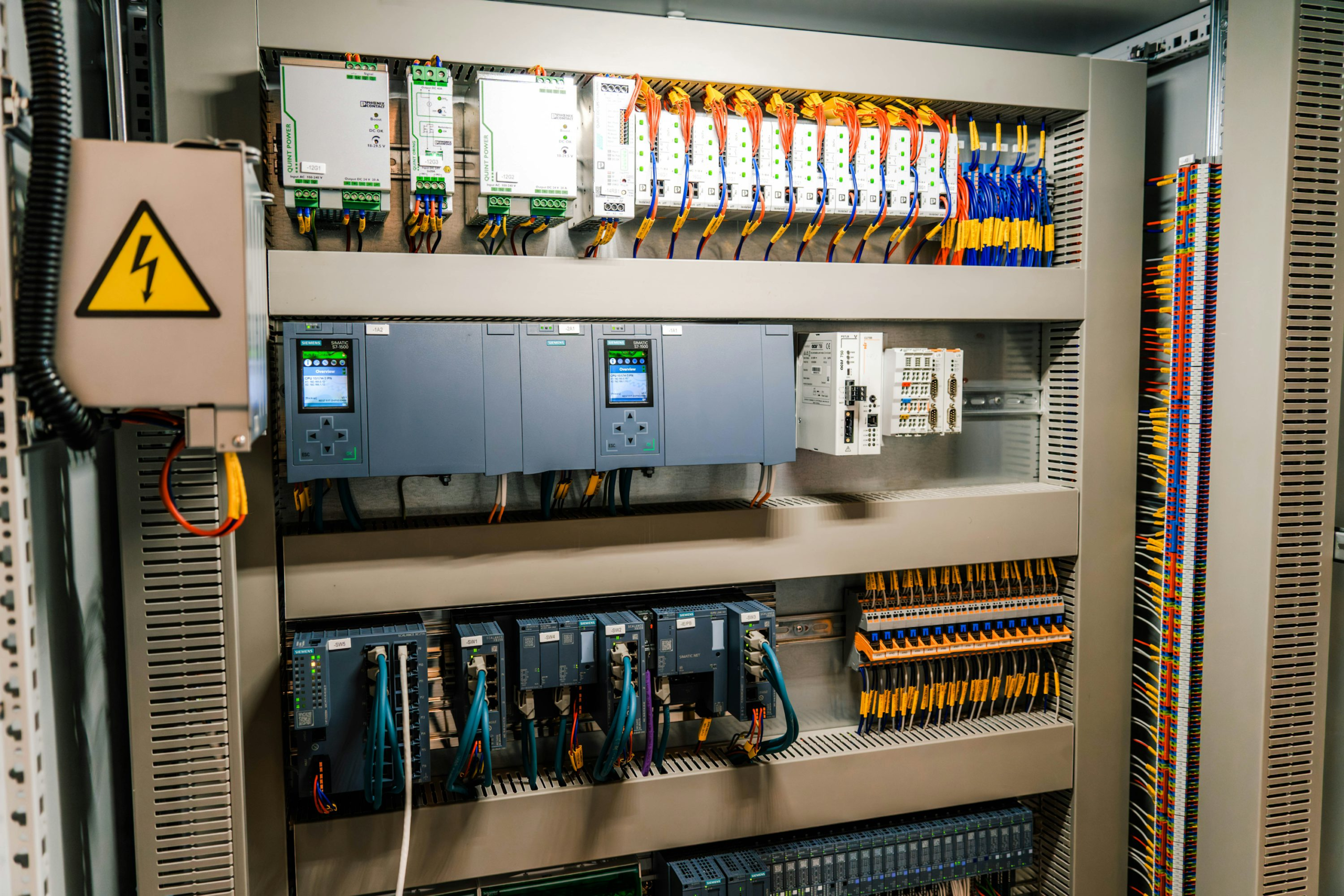
Individual installations will also require electrical systems that can accommodate power flowing in both directions. Battery modules store energy as direct current, while the external grid generally operates on alternating current. Power conversion equipment manages the exchange, transformers connect the converters to the required voltage level, and switchgear and protection systems detect and isolate faults. The network agreement establishes limits on the power that can be imported or exported.
For hybrid solar projects, generating arrays and batteries may use coordinated controls so their combined output remains within the approved connection capacity. Photovoltaic inverters respond to the electrical output available from the modules, while a battery controller can alter charge or discharge within its operating limits. A shared network position may provide operational flexibility, but it does not automatically permit unrestricted simultaneous solar export and battery discharge.
The environmental approvals for another 75 MW of battery capacity take the total with favourable environmental decisions to 215 MW. An environmental impact decision examines a different range of considerations from a grid connection assessment, including site-specific effects and conditions. A favourable decision can move a development towards later permitting stages, but it should not be described as construction starting or an unconditional authorisation to operate.
Projects can advance through the approval process in different sequences. A battery development can hold network access while still awaiting environmental or building permissions, or receive an environmental decision while engineering and financing remain incomplete. Equipment selection must ultimately be coordinated with land availability, connection design and the conditions attached to each consent. Galileo has not stated how many of its individual Spanish projects have obtained every permission needed for construction.
Its portfolio also includes 200 MW of wind projects and 125 MW of hybrid solar developments, which bring different electrical and physical requirements. Wind turbine connections must accommodate the response of rotating generation and its power electronics, while photovoltaic output depends on solar irradiance. The conditions for controlling reactive power, fault response and plant output vary with the technology and the applicable grid code.
Galileo's operating strategy will therefore depend on more than the aggregate megawatt rating. The time needed to secure further permits, the availability of connection works, energy-market arrangements and project financing will determine which assets move into construction first. These commercial and engineering questions have not been resolved by the reported grid access increase, even though securing the network position is an important development step.
The company reported a wider 1.4 GW active Spanish development pipeline when it announced its earlier 700 MW position in May. That pipeline should not be added to the 825 MW total as if the two figures represented wholly separate projects; the information covers development categories and milestones that may overlap. Galileo's new release provides a narrower, verifiable measure: 825 MW holding grid access and connection permits, including 215 MW of battery projects with favourable environmental decisions.
The next substantive changes will be individual permits, financial commitments, construction awards or energisation milestones. Until those are announced, the additional 135 MW remains capacity secured in the development process rather than new electricity generating or storage equipment operating on Spain's network.