IN Brief:
- ECO STOR and EPW have completed construction and grid connection at the 103.5MW/238MWh Schuby battery.
- The installation uses 64 battery containers, 32 inverter and transformer stations, and a 110kV transmission connection.
- A five-year tolling agreement with Alpiq will support commercial operation within network limits coordinated with TenneT and Schleswig-Holstein Netz.
ECO STOR has begun technical commissioning of its 103.5MW/238MWh battery energy storage system at Schuby in northern Germany, following completion of construction and establishment of the grid connection. The project, developed with EPW in Schleswig-Holstein, is undergoing testing of its electrical equipment, control systems and interaction with the transmission network before regular operation can begin.
The milestone was marked on 12 October at an event attended by representatives of transmission system operator TenneT, regional network operator Schleswig-Holstein Netz and the municipality, alongside Schleswig-Holstein’s economic affairs minister, Claus Ruhe Madsen. Although the battery is physically connected to the electricity system, commissioning remains a separate stage during which its operating characteristics and compliance with network requirements must be established.
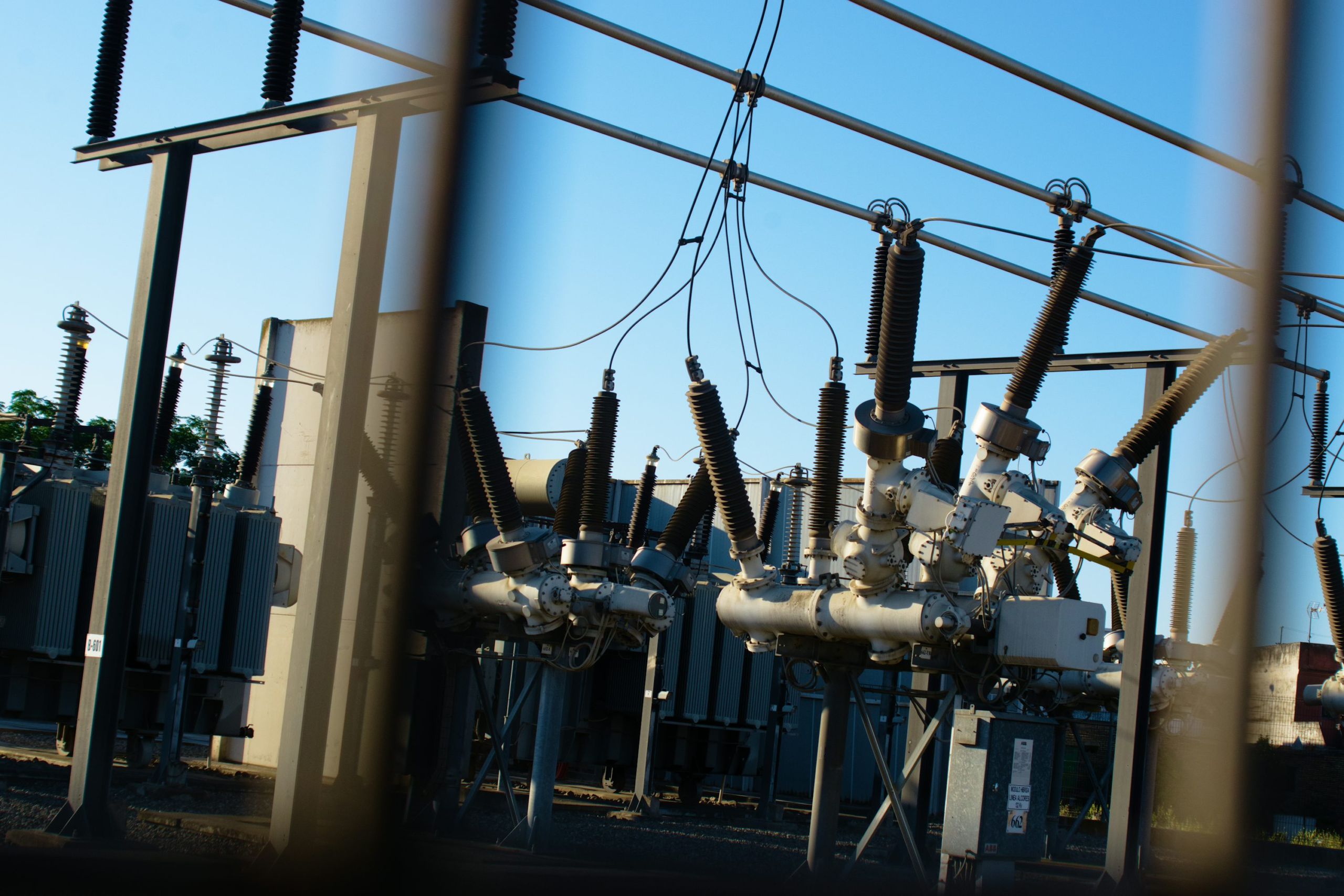
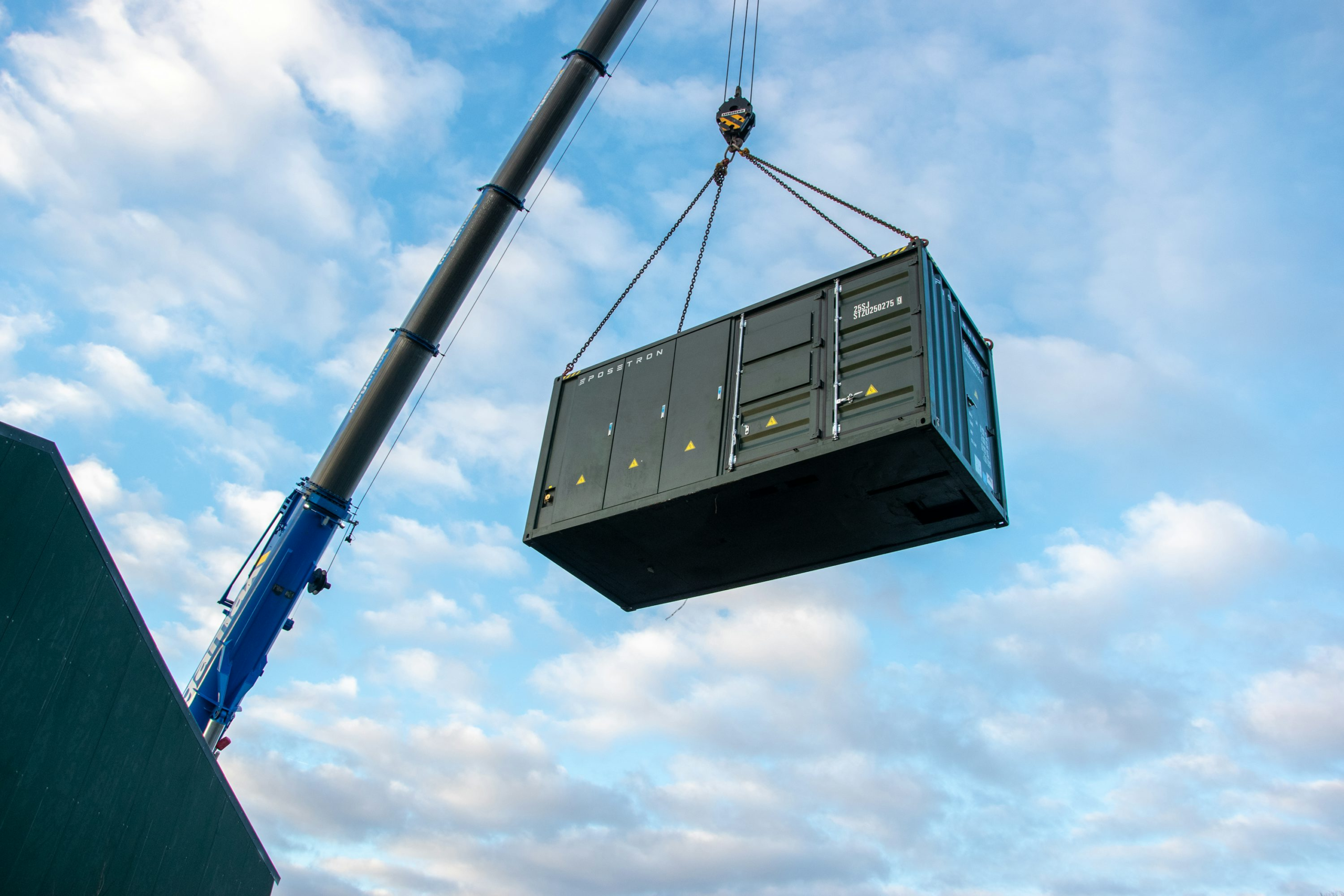
The installation comprises 64 lithium-ion battery containers and 32 stations housing inverter and transformer equipment. Its electrical infrastructure includes a high-voltage transformer that provides the interface between the 110kV connection and the site’s 30kV system, with further transformation between the medium-voltage equipment and the power conversion systems. The main transformer, delivered in August 2025, weighs approximately 130 tonnes.
Battery cells store electricity as direct-current energy, while the connected power network operates using alternating current. Bidirectional inverters manage the conversion during charging and discharging, with transformers providing the appropriate voltage interfaces. The control system must coordinate these components while respecting battery temperature, current and state-of-charge limits, as well as the operating conditions agreed for the grid connection.
Schuby has a maximum power rating of 103.5MW and an energy capacity of 238MWh. Those figures describe different aspects of its performance: power determines the rate at which electricity can be imported or exported, whereas energy capacity governs the amount available over a period. The achievable duration of a charging or discharging cycle also depends on conversion losses, operational reserves and the permitted operating range of the batteries.
Commissioning includes verification of individual electrical components before the installation is tested as an integrated system. Protection functions must respond correctly to abnormal operating conditions, while the plant controller has to demonstrate that it can follow power instructions without exceeding equipment or connection limits. ECO STOR has also identified technical verification procedures and network studies as part of the remaining commissioning work.
The transmission connection is an important distinction between Schuby and some battery installations connected at distribution voltage. Access to the 110kV system allows the facility to exchange substantial amounts of power with the wider network, but it does not remove the need to manage local constraints. Battery charging increases electricity demand at the connection point, while discharging reverses the flow, potentially changing the loading of nearby infrastructure.
ECO STOR developed a network-oriented operating arrangement with TenneT and Schleswig-Holstein Netz that establishes restrictions intended to prevent additional network loading under constrained conditions. The arrangements allow the battery to participate in electricity markets while limiting its operation when network conditions require it. The project has been designed around the possibility of completing two charging and discharging cycles per day, although actual dispatch will depend on the restrictions and commercial requirements applying at the time.
Schleswig-Holstein already produces substantial amounts of renewable electricity, particularly from wind generation, but production does not always coincide with local demand or available transmission capacity. Charging a battery during periods of abundant generation can move some electricity consumption into those periods, while later discharge can support demand when generation falls. Whether any particular cycle reduces network congestion depends on the location of the constraint and the battery’s permitted charging and export schedule.
The commercial arrangements were established before construction was completed. In November 2025, ECO STOR signed a five-year tolling agreement with Swiss energy company Alpiq, supported in energy marketing by Enspired and Entelios. The agreement gives Alpiq contractual access to the battery’s operating capacity, allowing its commercial value to be managed through electricity trading and system services without requiring Alpiq to own the physical installation.
Such arrangements can provide developers with greater visibility over future revenues, while allocating commercial dispatch responsibilities through a contract. In January 2026, ECO STOR and NORD/LB announced financing for Schuby, linking the project’s construction funding to its agreed commercial arrangements. The tolling contract does not override the physical limits of the battery or the network restrictions applying to its operation.
Schuby follows ECO STOR’s similarly rated Bollingstedt battery, which entered operation in 2025 and was subsequently acquired by Alpiq. Both installations use a modular configuration with 103.5MW of power and 238MWh of storage capacity, although Schuby’s network connection and operating arrangements are specific to its location.
The current testing programme will establish whether the completed equipment performs as required before routine dispatch begins. ECO STOR has not announced that technical commissioning is complete, and regular operation remains conditional on successful verification of the plant’s electrical systems, controls and grid interaction.