IN Brief:
- SEC modification MP293 introduces an Enhanced Availability service during defined DCC communications disruptions.
- Electricity network operators will retain access to selected supply status and outage restoration information when the normal data service is unavailable.
- The service will also preserve specified remote top up functions for supported SMETS1 prepayment customers.
Ofgem has approved a Smart Energy Code modification that will keep a limited set of smart meter communications available during certain Data Communications Company service disruptions, preserving selected network information and supported prepayment functions when the normal service is unavailable.
Modification MP293 introduces an Enhanced Availability service for the current Data Service Provider. Scottish Power Electricity North-West raised the proposal in June 2025 after concerns that planned DCC service interruptions could coincide with adverse weather and remove access to smart meter information during network faults.
The approved service does not keep the whole smart meter communications platform running through every disruption. It provides a restricted route for specified messages when the core Data Service Provider is unavailable under defined conditions. Ofgem says this will help electricity Network Parties retain selected supply status and outage restoration information and maintain specified remote top up functions for supported SMETS1 prepayment customers.
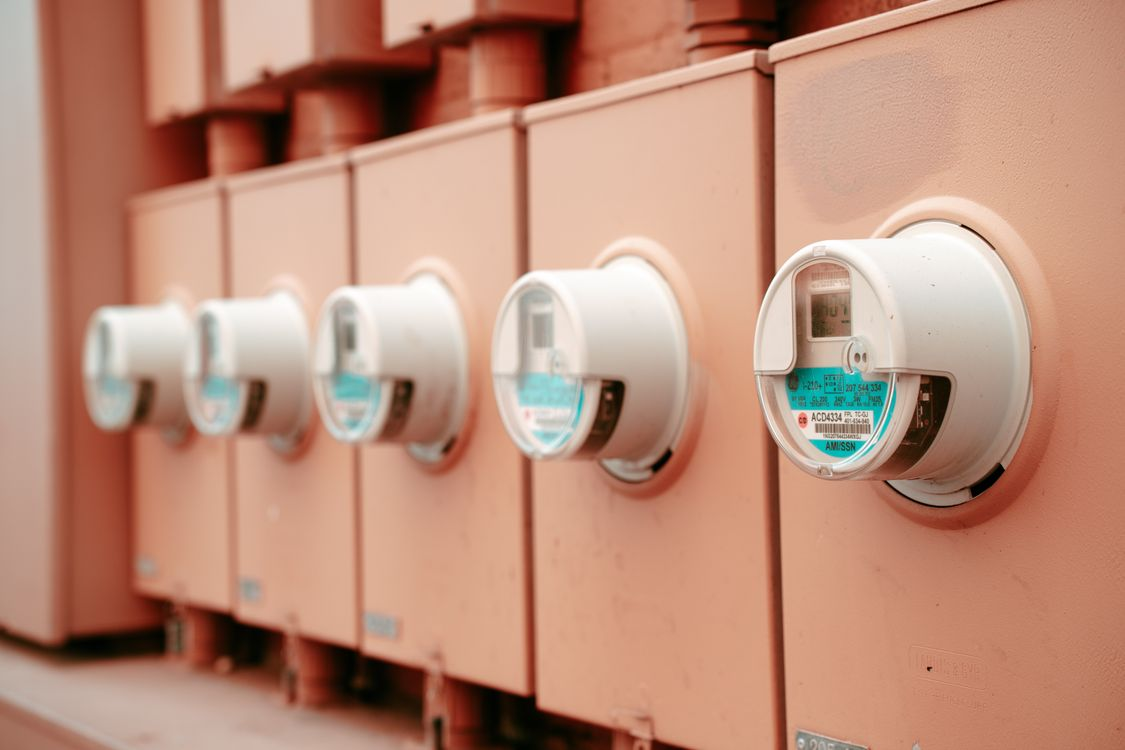
Smart meters communicate through the DCC infrastructure rather than directly with a distribution network operator’s control system. That national communications layer allows authorised parties to exchange defined messages with meters while keeping different market and network functions separated. A disruption in that communications service can therefore remove access to meter data even when the electricity network itself remains energised.
Distribution operators increasingly use meter information during fault management because it provides another indication of whether supply is present at individual premises. Network telemetry from substations, switches, protection equipment, and other monitored assets shows the state of major components, but it does not always confirm whether electricity has reached every customer beyond the last monitored point.
Combining those sources can help define the area affected by a fault and verify restoration after switching or repair work. Smart meter information does not replace SCADA, protection systems, field inspection, or engineering judgement, but it can provide additional observations from the end of the distribution network where conventional monitoring is thinner.
MP293 was developed around the risk that planned DCC maintenance and severe weather occur at the same time. Planned service interruptions are manageable when network conditions are normal, while storms can create multiple faults across overhead lines, cables, transformers, and other assets. Losing meter communications during the same period removes one source of information just as the number of restoration decisions increases.
The Enhanced Availability service preserves only a limited message set instead of recreating full normal operation. Restricting the service reduces the functions that have to remain available and concentrates the contingency arrangement on information considered useful during network disruption and on specified prepayment activity.
Supply status information can help determine whether a premise remains without electricity, while restoration information can provide evidence that power has returned after repair or switching. A distribution operator can compare those messages with network telemetry and customer reports to narrow the likely fault area or confirm that a restored circuit is supplying the expected locations.
Low voltage networks typically provide less direct operating visibility at individual customer connections than primary substations and higher voltage circuits. Smart meters add a large population of endpoints beyond those extensively monitored assets, allowing meter information to supplement established network telemetry when communications remain available.
The prepayment function addresses a different risk. Supported SMETS1 customers may depend on remote communications to add credit without visiting a physical outlet or interacting directly with the meter. Preserving specified top up messages during a DCC disruption reduces the chance that a communications maintenance event also prevents an otherwise supported customer transaction.
The modification does not give smart meters any new authority to control distribution switching. Circuit breakers, protection schemes, network control systems, and authorised operating procedures remain responsible for isolating faults and restoring supplies. MP293 retains information and selected customer functions while the normal communications service is degraded.
Communications resilience and electrical resilience therefore solve different problems. Keeping a message path available cannot prevent wind, flooding, falling trees, or equipment failure from damaging the network. It can reduce the loss of operational information that would otherwise accompany a physical fault when the communications platform is disrupted at the same time.
Ofgem approved MP293 on 6 October after the Smart Energy Code process completed its technical assessment. The formal start date remains to be determined by the code administrator. Implementation will require the DCC and Data Service Provider systems to expose only the approved messages during the contingency mode and make clear to users which functions remain available.
Future storm and maintenance events will provide the operational test. The modification is designed to keep a narrow set of meter communications working when the full service cannot, giving network operators additional evidence for fault location and restoration without treating the contingency route as a substitute for the normal DCC platform.