IN Brief:
- Malta’s existing Sicily interconnector is being isolated for around 12 days while contractors work close to 220kV equipment at Ragusa.
- A new 240MVAr shunt reactor has been assembled and will connect through hybrid gas insulated switchgear to either interconnector.
- The €300m IC2 project will add a second 225MW HVAC connection between Malta and Sicily.
Interconnect Malta and Enemalta have begun a planned 12 day isolation of Malta’s first electricity interconnector with Sicily as work advances at the Ragusa terminal for the second 225MW link. IC1 was switched off on 5 October so civil and electrical work can proceed safely near existing 220kV infrastructure while IC2 moves towards completion.
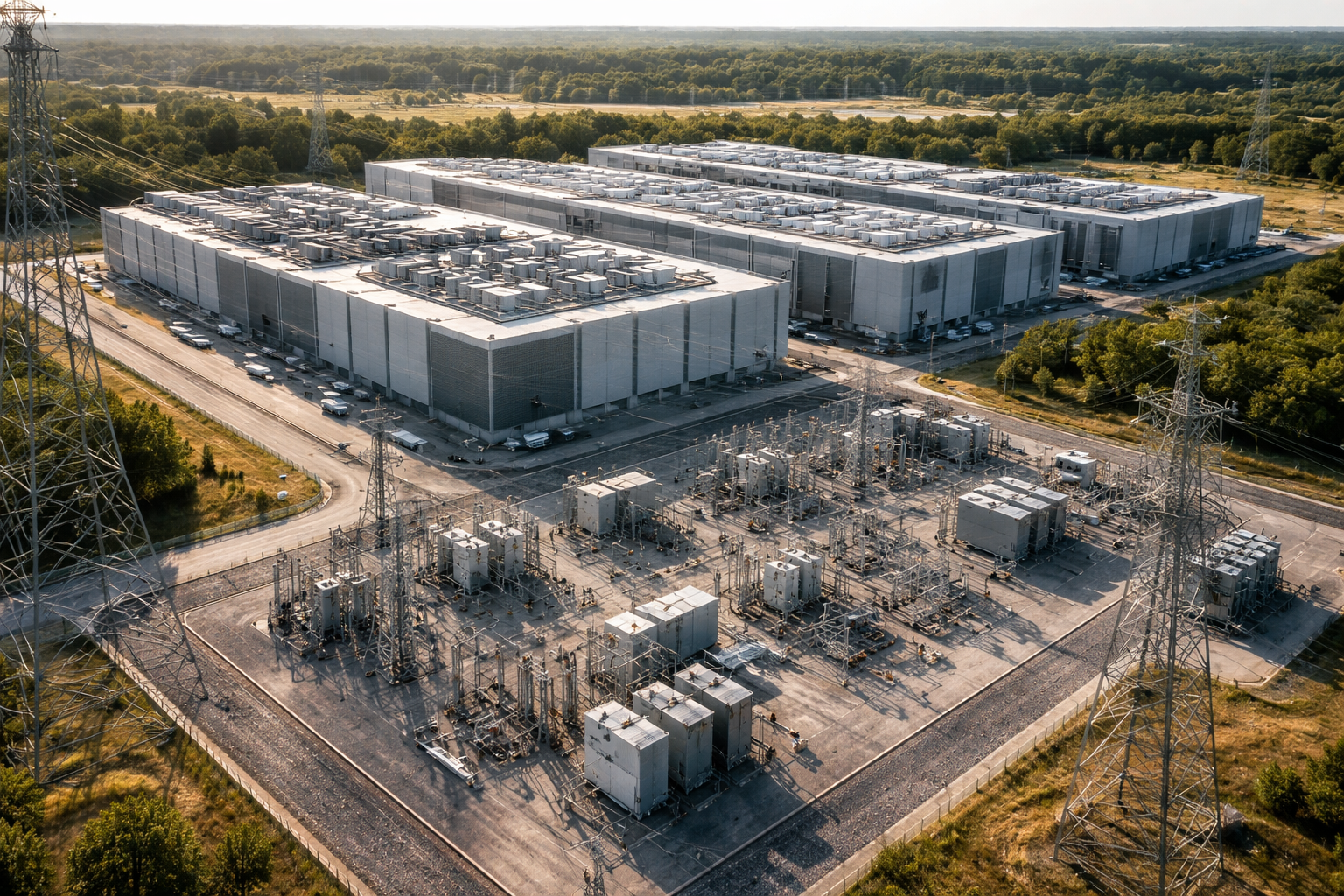
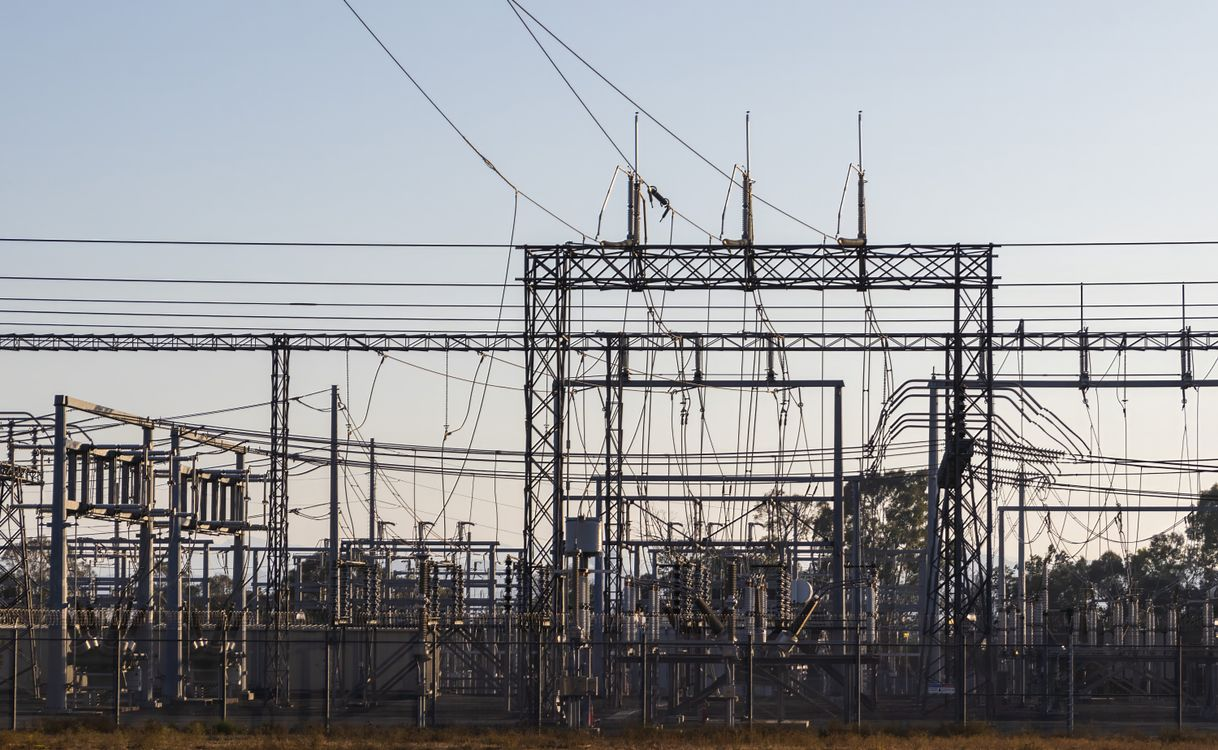
Assembly of a new 240MVAr shunt reactor at Ragusa has already been completed, together with its fire protection walls, water tank and pumps. The current phase includes modifications to the support structure for the existing overhead line, installation of new hybrid gas insulated switchgear and routing of a 220kV land cable through underground ducts between the switchgear and reactor.
The shunt reactor forms an important part of the electrical design because long high voltage AC cables generate capacitive reactive power. A reactor absorbs part of that reactive power, helping control system voltage and reducing the current that would otherwise circulate without delivering useful active power to consumers.
IC2 will use a 245kV submarine cable across approximately 122km between Maghtab in Malta and Ragusa in Sicily. Rated at 225MW, it is being installed broadly parallel to the existing HVAC connection commissioned in 2015 and is intended to double Malta’s electricity interconnection capacity with the continental European system.
The shutdown also illustrates one of the limitations of operating with a single interconnector. Planned work at infrastructure shared with the existing terminal removes IC1 from service completely, so national electricity demand must be met by local generating capacity throughout the isolation period.
Enemalta says sufficient generation is available to maintain supply and system stability during the outage. Local plant therefore has to cover both normal demand and the operating reserve that would otherwise be supported by access to imported electricity through Sicily.
The work is being coordinated between Interconnect Malta, Enemalta, Terna Energy Solutions and the Italian transmission system operator. Heavy machinery will operate near high voltage equipment, while structural modifications bring construction directly into the interface between the old and new installations. Isolating IC1 removes the electrical hazard from that work zone and protects the existing assets while the additional switchgear and cable route are installed.
Once both links are available, the operating choices during maintenance will be broader. Two circuits do not eliminate common risks at terminals or shared infrastructure, but they can allow one route to remain in service while the other is unavailable, provided the surrounding substations, protection systems and network configuration support that mode of operation.
The €300m IC2 programme is being supported by the European Regional Development Fund, with €261m allocated following reprogramming of the 2021 to 2027 cohesion policy funds. Earlier construction included horizontal directional drilling for the transition between land and sea, allowing the cable route to pass beneath coastal areas before entering the offshore section.
Terminal equipment includes a 250MVA autotransformer in Malta, a 120MVAr shunt reactor at Maghtab and the 240MVAr reactor at Ragusa. Those components determine how the cable interacts with both national systems, because transformers, reactive compensation, protection and switching are required to control the power flow and voltage around the link.
Malta’s electricity demand has continued to increase, including record levels during recent summer periods. Additional interconnection capacity can reduce dependence on local thermal generation when imported electricity is available and can provide greater operating flexibility as renewable generation expands, but it does not remove the need for adequate domestic generation and network resilience.
Further cable, terminal, protection and commissioning work remains before IC2 can enter operation. During the present shutdown, Malta is temporarily operating without its existing import route while contractors install some of the equipment intended to make future interconnector outages less restrictive once the second circuit is available.