IN Brief:
- Great British Grid will sit within Great British Energy and invest public capital alongside private investment in electricity networks.
- Government plans to expand self-build connections and accelerate competitive tendering for new transmission infrastructure.
- NESO, Ofgem, and existing network operators retain their existing system, regulatory, and operational roles.
Great British Grid will be established within Great British Energy as a publicly owned body able to invest public capital alongside private investors in electricity network infrastructure across Britain, while existing network operators retain their current roles.
The government announced the body alongside two proposed changes to network delivery. It plans to expand self-build connections, allowing developers and businesses to construct their own connection infrastructure where appropriate, and to accelerate competitive tendering for new transmission projects so a wider range of organisations can bid to deliver network assets.
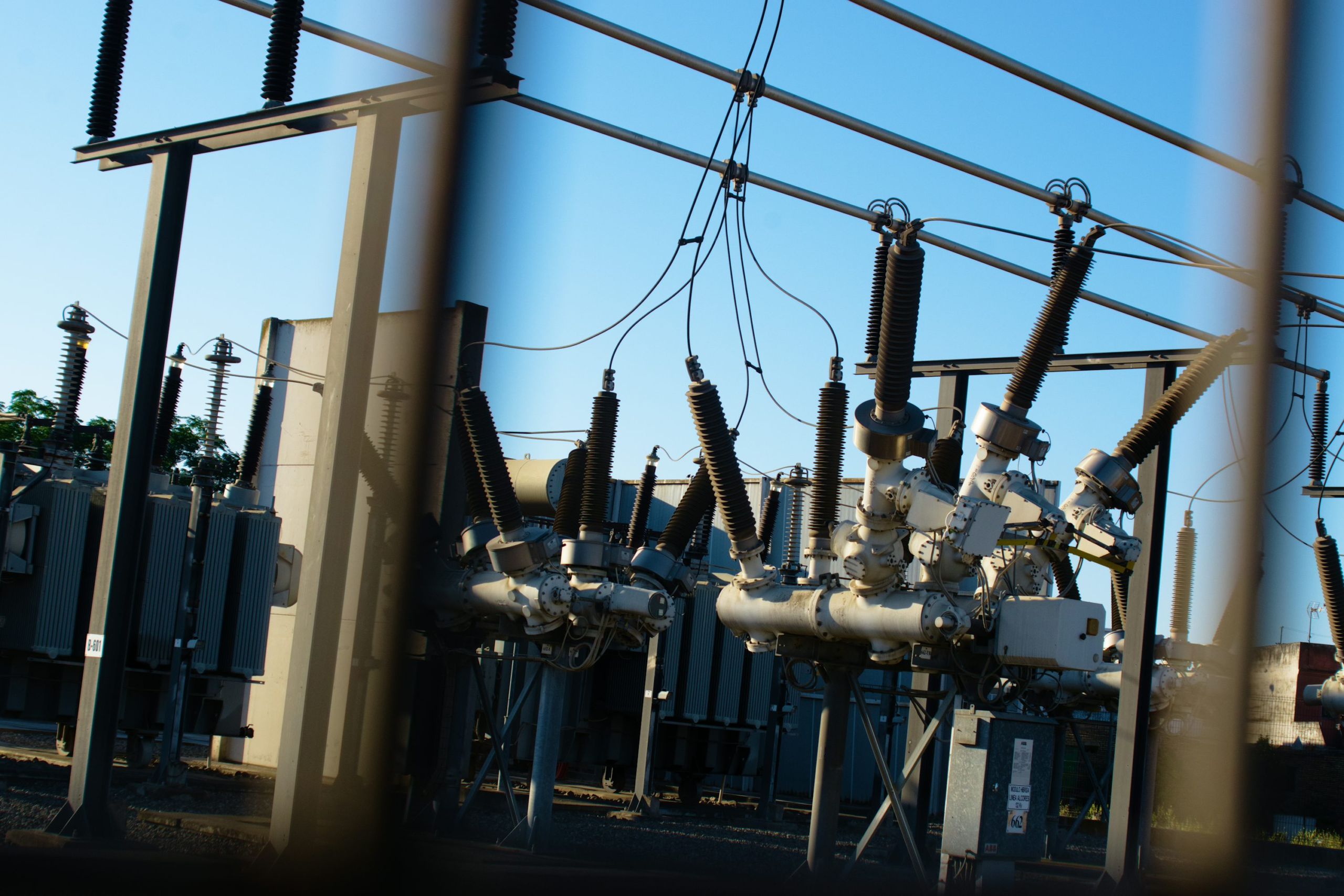
Those measures have a direct engineering consequence because connection and transmission projects ultimately become substations, transformers, switchgear, cables, overhead lines, protection systems, controls, civil works, and commissioning programmes. Changing who can finance or deliver the assets does not alter the technical requirements, but it can change the commercial route through which projects enter the supply chain.
Great British Grid will not take over the functions of the National Energy System Operator or Ofgem. NESO remains responsible for operating, planning, and coordinating the electricity system, while Ofgem remains the independent economic regulator for network companies and energy markets. The government also says the role of existing network operators is unchanged and that current commitments under in-force or in-negotiation Ofgem licences are not expected to be affected.
The immediate distinction is investment. Great British Energy already invests public capital alongside private finance in generation, storage, and supply chain projects. Great British Grid extends that model into electricity networks, with initial start-up costs covered from Great British Energy’s existing budgets. A longer-term budget has not yet been set and is due to be considered in a future spending review.
The scale of the existing network programme gives the announcement its context. Ofgem’s RIIO-3 final determinations cover the five years from April 2026 to March 2031, and the regulator has said electricity transmission expenditure could reach around £70 billion over that period. The investment is intended to connect new generation, reinforce transfer capacity, replace ageing assets, and prepare the system for higher electricity demand.
Connections reform is already changing which projects reach that network programme. The government says more than 300GW of speculative capacity has been removed from the connection queue, while NESO’s Gate 2 process is intended to prioritise projects that are sufficiently advanced and aligned with strategic system needs. The remaining challenge is turning an improved queue into deliverable network works.
Self-build connections are intended to change one part of that delivery sequence. Instead of waiting for a network company to complete every element of a connection, eligible developers and businesses could undertake more of the work themselves. The government cites experience in Ireland where comparable reforms reduced connection times by up to 11 months, although the eventual effect in Britain will depend on the scope made contestable and the availability of qualified contractors and equipment.
Competitive transmission tendering addresses larger infrastructure. Allowing additional organisations to compete for projects could create alternative delivery models for new circuits and substations, but any successful bidder will still have to work within system standards, planning conditions, land agreements, protection requirements, operational interfaces, and long-term maintenance obligations.
Supply capacity remains a practical limitation across both approaches. Large transformers, high-voltage cable, switchgear, specialist steel, power electronics, and engineering labour are already subject to long procurement programmes. Ofgem has used early construction funding and advanced procurement mechanisms to allow network companies to secure scarce components before full project delivery, recognising that regulatory approval and physical manufacturing schedules cannot always be sequenced one after the other.
Great British Grid could add another source of project capital, but capital cannot shorten every equipment lead time. Its influence will depend partly on whether investment decisions create sufficiently predictable programmes for manufacturers and contractors to expand capacity against. A stop-start project pipeline gives suppliers little reason to commit to new factories or training even where headline infrastructure requirements are large.
The same caution applies to self-build. Allowing a developer to procure its own connection does not make a transformer immediately available or remove the need for protection studies, outage coordination, testing, and final energisation by the relevant network organisations. It can, however, change who controls the programme and how early equipment and contractors are committed.
The new body’s structure is therefore clearer than its eventual scale. It will sit inside Great British Energy, invest alongside private capital, and be able to compete for network infrastructure, while NESO, Ofgem, and incumbent operators retain their established responsibilities. Longer-term funding and the detailed implementation of self-build and competitive tendering remain to be defined.
For the power sector, the test will be physical rather than institutional. Great British Grid will matter to the extent that additional investment and competition translate into engineered connections, manufactured equipment, completed transmission assets, and energised capacity on the dates required by generation and demand projects.