IN Brief:
- RWE has commissioned its first photovoltaic plant in Hesse with around 11MWp of module capacity.
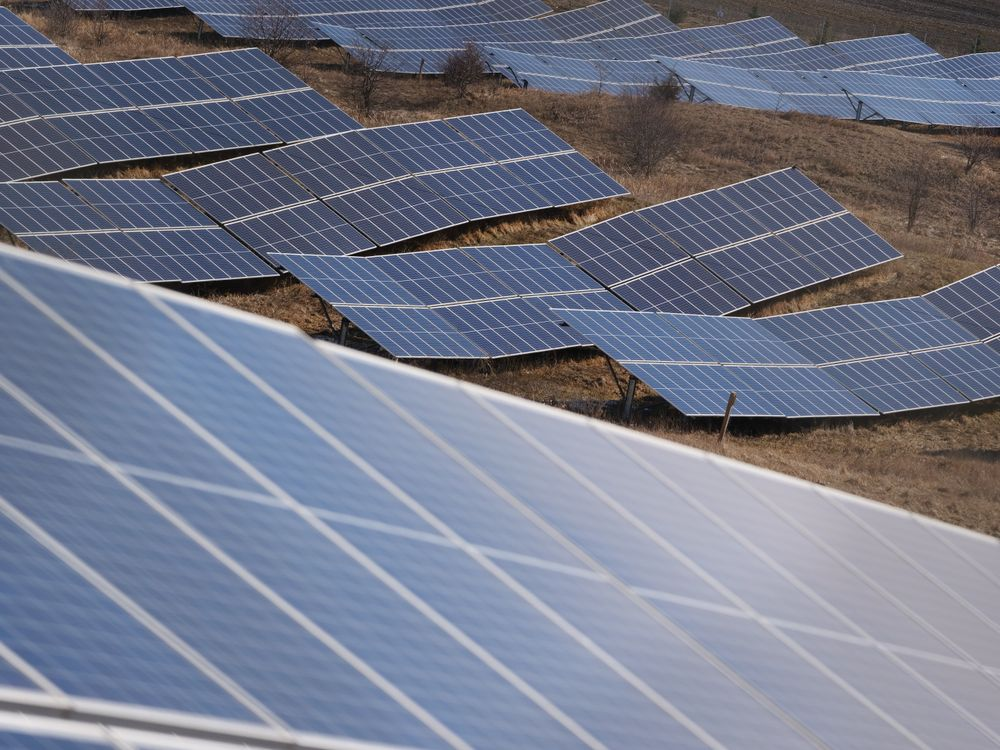
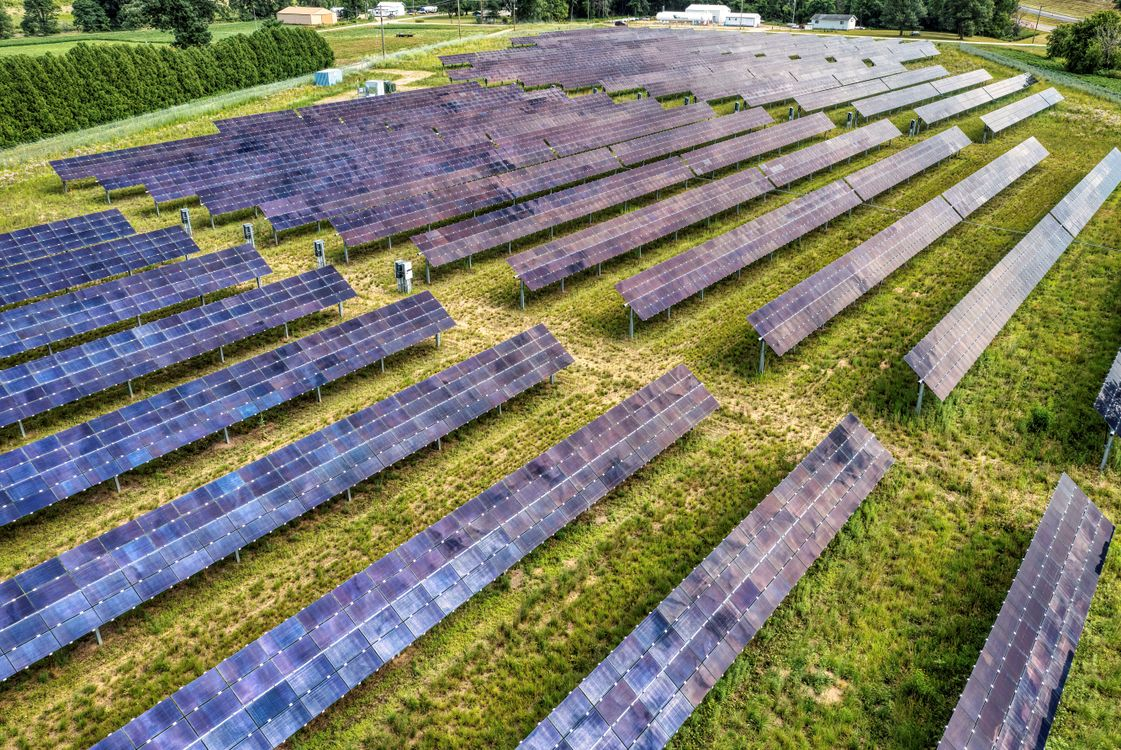
- The 10-hectare Sinntal site uses approximately 17,450 bifacial modules and has a 9.5MW AC rating.
- Operating performance will now depend on energy yield, inverter availability, network access, degradation, and site maintenance.
RWE has commissioned its first photovoltaic plant in the German state of Hesse, bringing an 11MWp solar farm into operation at Sinntal in the Main-Kinzig district.
The project uses around 17,450 bifacial modules across approximately 10 hectares and has an AC rating of about 9.5MW. RWE calculates that annual generation will be equivalent to the electricity consumption of roughly 3,000 households, compared with around 3,690 households in the municipality itself.
The 11MWp DC module rating and 9.5MW AC export rating describe different parts of the plant. The first is the combined peak rating of the photovoltaic array under standard test conditions, while the second reflects the capacity available through the inverter and grid interface. The disclosed figures give Sinntal a DC-to-AC ratio of roughly 1.16.
That level of oversizing allows the inverter capacity to be used more consistently during the many hours when the modules are producing below laboratory peak output. It can increase annual energy yield from a fixed AC connection, although some generation may be clipped when the array reaches high output and the inverter is already at its limit.
Bifacial modules add a second design feature by collecting direct sunlight on the front surface and reflected light on the rear. Their additional yield depends on row spacing, mounting height, ground reflectivity, shading, and site conditions, so the benefit is determined by the physical layout as much as by the module specification itself.
Sinntal also includes a local revenue mechanism linked directly to electricity production. RWE will pay the municipality 0.2 euro cents for every kilowatt hour generated, with annual payments expected to reach up to €24,000. The arrangement creates a recurring income stream tied to plant output rather than a one-off construction contribution.
The company has added ecological measures around the site, including twelve bat boxes in neighbouring woodland and deadwood and stone piles intended to provide habitat for sand lizards. RWE also carried out a safety exercise with the Sinntal volunteer fire brigade before operation, reflecting the practical requirement for local emergency teams to understand access, isolation points, inverter equipment, and site hazards.
Equans Solar & Storage and regional contractors were involved in project delivery. Ground-mounted solar construction is mechanically simpler than many forms of generation, but commissioning still requires civil works, mounting systems, DC cabling, inverters, transformers, switchgear, protection, communications, metering, and a grid connection to operate as one plant.
The project enters service as Germany continues to add solar capacity at industrial scale. The Federal Network Agency reported 16.4GW of new solar capacity during 2025, taking the national total to 117GW at year end. Germany’s 2030 target is 215GW, leaving a substantial volume of new projects to be permitted, financed, connected, and commissioned over the remainder of the decade.
Network connection is becoming one of the more consequential parts of that build-out. Solar capacity can be installed relatively quickly once land, equipment, and consent are secured, but connection queues, local network reinforcement, and periods of high renewable output can limit how rapidly new generation becomes useful to the system. Projects with modest individual ratings still accumulate into significant regional flows when many are connected to the same distribution or transmission area.
RWE says it operates around 960MW of onshore wind and solar capacity in Germany and continues to seek sites for wind, solar, and battery projects. The Sinntal development is therefore small beside the company’s wider portfolio, but it extends that portfolio into Hesse with an operating asset rather than a development-stage proposal.
Operational performance will now be measured through annual energy yield, inverter availability, module degradation, network outages, vegetation management, and maintenance. The bifacial layout will also depend on ground conditions being kept consistent enough to preserve the rear-side yield assumed in the project design. For a plant of this size, small losses across inverters, cabling, soiling, curtailment, and auxiliary consumption accumulate directly into annual yield and the municipality’s generation-linked payments.
Commissioning removes the development and construction risks that dominated the earlier stages of Sinntal, but it replaces them with the routine disciplines of asset management. For RWE, the first Hesse solar project is now a generating plant whose value will be set by measured output, availability, and the reliability of the 9.5MW grid interface over its operating life.