IN Brief:
- AIP has acquired operating Swedish wind farms at Aldermyrberget and Överturingen totalling 312MW.
- The assets occupy separate electricity price zones and remain covered by long term turbine service agreements.
- Portfolio scale is intended to diversify regional exposure and broaden access to corporate power purchase agreements.
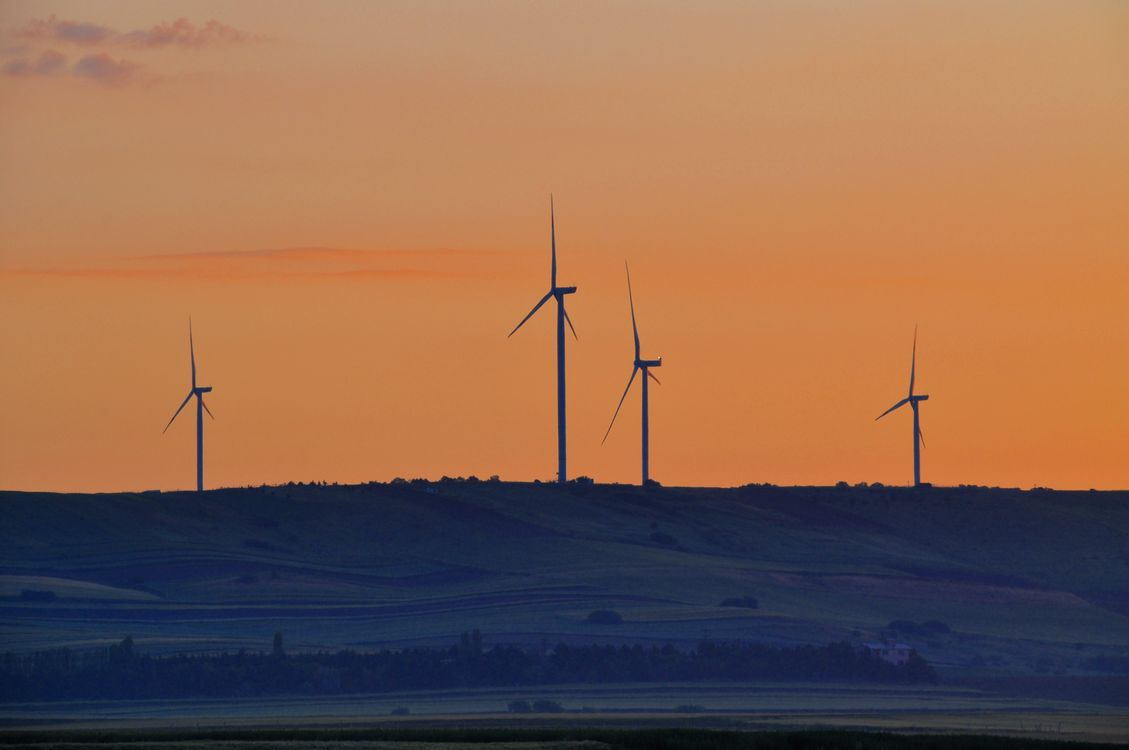
AIP Management has assembled a 312MW operating onshore wind portfolio in Sweden through the acquisition of the Aldermyrberget and Överturingen wind farms, giving its Project Winter strategy an immediate base of revenue-generating assets across two Swedish electricity price zones.
Aldermyrberget is a 71MW wind farm in northern Sweden that AIP acquired in June 2026, while the 241MW Överturingen wind farm in central Sweden was signed in September. Both projects are already operating and generating electricity and revenue, with AIP stating that the assets have been in operation since 2020 and 2022 respectively.
The two wind farms use current-generation turbines under long term service agreements. AIP intends to build a larger portfolio of operating Nordic renewables around them, using Project Winter to acquire existing wind assets during a period of limited transaction activity and difficult economics for some new-build developments.
Buying an operating wind farm produces a different risk profile from backing a project before construction. Development, permitting, civil works, turbine installation, and initial grid connection have already been completed, while the buyer can assess actual production, availability, maintenance history, and operating costs rather than relying entirely on forecasts. The exposure shifts towards power prices, plant performance, service strategy, component replacement, and the remaining operating life of the equipment.
Sweden’s zonal electricity market adds another layer. Aldermyrberget and Överturingen sit in different price zones, so the portfolio is not wholly dependent on the same local balance between generation, demand, and transmission capacity. AIP says diversification across zones, sites, and turbine types reduces concentration risk, although the assets remain exposed to Nordic wholesale prices and the physical constraints that can separate one bidding area from another.
Zonal divergence has become a material consideration for Swedish generators as large volumes of wind production in the north meet transmission limits and demand patterns that vary across the country. An asset can therefore produce strongly while receiving a weaker local price than generators elsewhere. Holding capacity in more than one area does not remove that exposure, but it reduces dependence on a single regional market outcome.
Scale also changes the options available for power sales. AIP expects the 312MW portfolio to broaden access to corporate power purchase agreements as it grows. Larger portfolios can provide more generation volume and allow contracts to be structured across multiple sites, although the commercial result still depends on how closely production matches buyer demand and how balancing, shaping, and price risks are allocated.
The two assets also bring measured operating histories into those negotiations. A corporate buyer considering a long term contract can examine several years of production and availability rather than relying solely on a pre-construction energy yield assessment. Historic output cannot guarantee future generation, but it gives both parties a firmer starting point for modelling seasonal production, outage assumptions, and settlement risk.
Long term turbine service agreements provide another element of continuity. They can define planned maintenance, access to technical support, and responsibility for parts or major interventions, but they do not eliminate owner exposure to lost production or wider plant issues. Balance-of-plant equipment, grid availability, access roads, foundations, substations, and network constraints all remain part of the operating asset.
AIP has invested more than €8 billion in infrastructure and says its renewable investments represent about 9GW of capacity. The Swedish acquisitions therefore sit within a wider energy infrastructure portfolio, but Project Winter is specifically aimed at building scale in operating Nordic wind rather than mixing development-stage projects with mature assets under one acquisition strategy.
The timing also reflects a wider change in renewable investment markets. High financing costs, equipment inflation, grid constraints, and weaker project economics have made some new developments harder to finance, while existing wind farms can become attractive when sellers and buyers reset expectations around long term power prices. Operating assets are not low-risk by definition, but their technical history is visible in a way that a new project’s is not.
For AIP, the first 312MW establishes the practical test for Project Winter: whether a portfolio assembled from mature wind farms can combine stable operating performance with contracts that manage zonal price exposure. Further acquisitions will show whether the strategy becomes a diversified Nordic generation platform or remains concentrated around a small number of Swedish assets.